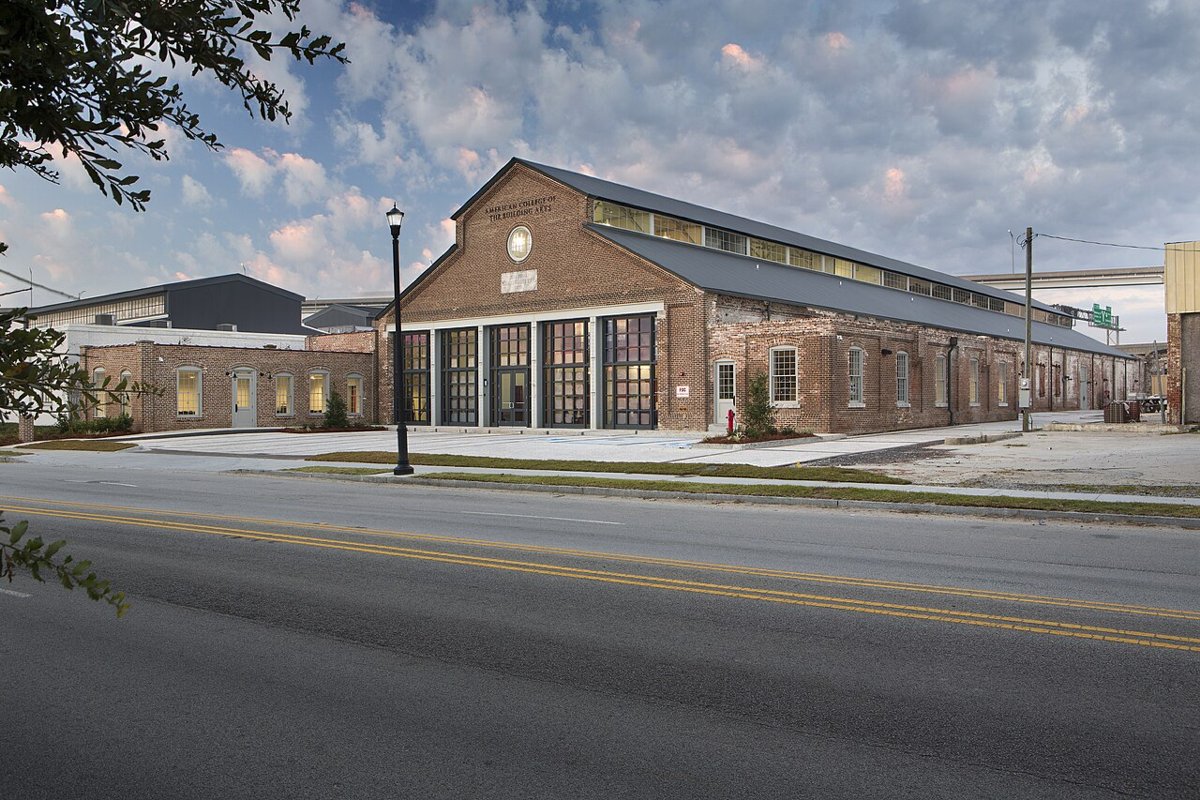
About American College of the Building Arts
Students face a net price of $26,389 regardless of income level, reflecting the college's specialized equipment and intensive instruction costs. Graduates typically carry $12,500 in debt, leading to monthly loan payments of $133. The investment makes sense for students entering skilled trades where experienced craftspeople command premium rates. Only 20% of students receive financial aid, suggesting many come from families already connected to construction or restoration work.
Men make up 81% of the student body, reflecting traditional gender patterns in building trades. The college maintains a perfect 100% retention rate, indicating students rarely second-guess their career choice once they start. Nearly two-thirds of students graduate within six years, though the hands-on curriculum demands patience and persistence.
Academics & Faculty
Source: College Scorecard / U.S. Department of Education
- Student-to-Faculty Ratio
- 8:1
- Full-Time Faculty
- 88.9%
- Graduation Rate (4-year)
- 58.2%
- Graduation Rate (6-year)
- 64.0%
- Retention Rate
- 100.0%
Campus Life
The 81% male enrollment reflects the traditional building trades focus, but the tight-knit community transcends demographics. Students often spend weekends exploring Charleston's well-known food scene or working on personal projects in the workshops. The 100% retention rate suggests students find their niche quickly in this specialized environment. Since most students come from out-of-state (64%), weekends become opportunities to discover the Lowcountry together. The historic King Street district offers internship opportunities with restoration projects, while nearby beaches provide stress relief during intensive hands-on training periods.
- Setting
- City-Midsize
- Calendar System
- Semester
- Founded
- 2004
Campus Safety (2023)
No reported Clery Act crimes in 2023.
Climate & Weather
- January Avg
- 43°–58°F
- July Avg
- 77°–87°F
- Annual Precipitation
- 44.3"
- Annual Snowfall
- 0.3"
Student Demographics
- Men
- 81.4%
- Women
- 18.6%
- White
- 92.9%
- Black
- 2.1%
- Hispanic
- 1.4%
- Asian
- 0.7%
- In-State Students
- 36.4%
- Pell Grant Recipients
- 19.9%
Location
- Address
- Charleston, South Carolina 29403-4223
After College
Source: College Scorecard / U.S. Department of Education
- Monthly Loan Payment
- $133/mo
- Median Debt at Graduation
- $12,500
Frequently Asked Questions
What is the acceptance rate at American College of the Building Arts?
The college accepts 76.67% of applicants with an average SAT score of 1119. This specialized trade school focuses on traditional building crafts, making it more accessible than typical four-year institutions while maintaining selectivity for hands-on learning programs.
How much does American College of the Building Arts cost after financial aid?
Students pay an average net price of $26,389 annually, with tuition set at $20,572 regardless of residency status. Only 19.86% of students receive financial aid, reflecting the school's specialized trade focus and smaller enrollment of 140 students.
What is the student-faculty ratio at American College of the Building Arts?
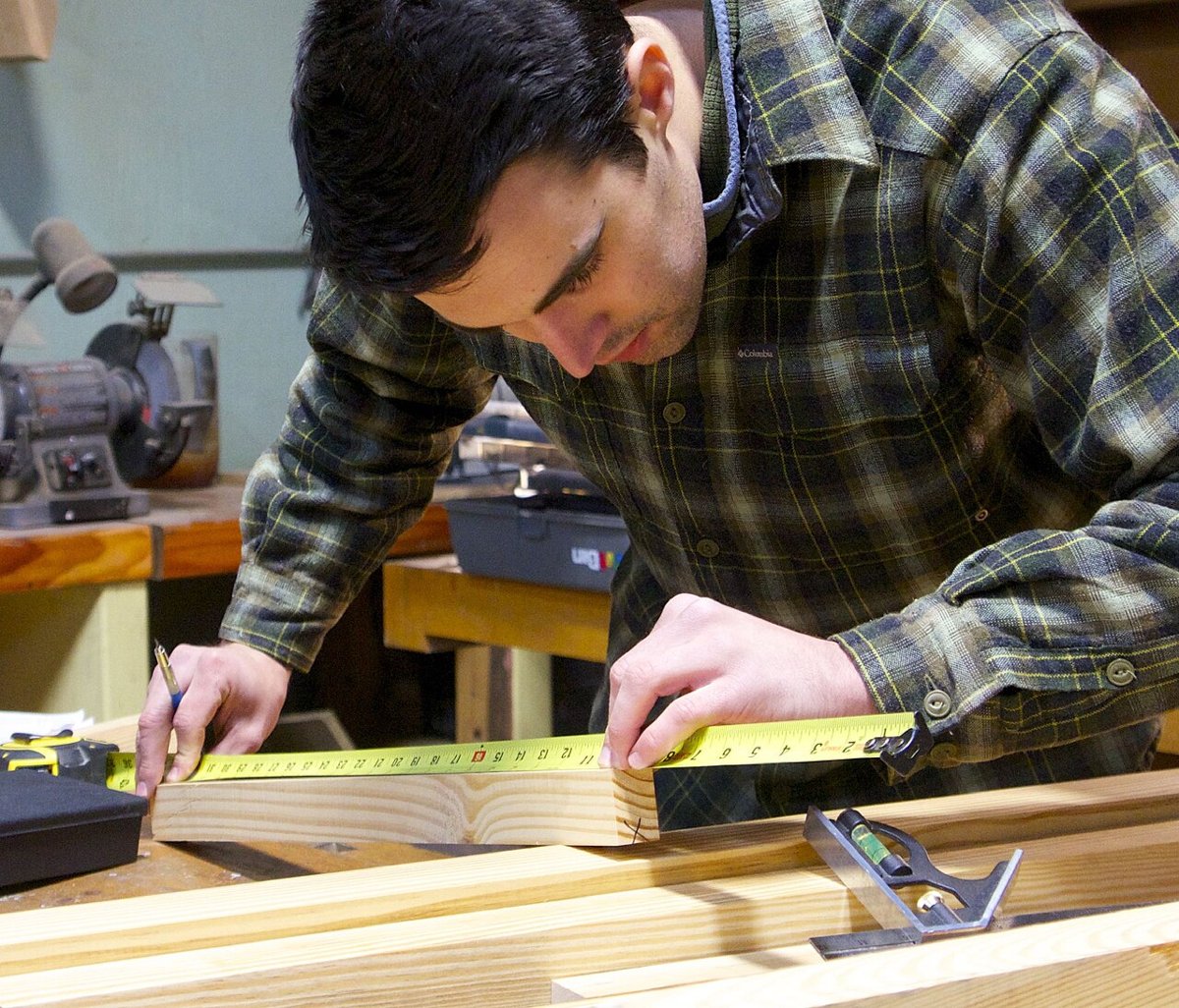
The college maintains an 8:1 student-faculty ratio, providing intensive mentorship in traditional building trades and crafts. This small class environment supports hands-on learning in specialized programs like stonework, timber framing, and architectural craftsmanship.
What are the graduation rates at American College of the Building Arts?
The college achieves a 58.18% four-year graduation rate and 64% six-year graduation rate. Students graduate with a median debt of $12,500, relatively low for specialized training that prepares them for careers in historic preservation and traditional building arts.
Where do students at American College of the Building Arts come from?
The student body of 140 is 36.36% in-state residents, with the majority traveling from across the country for specialized training. The college draws 81.43% male students to Charleston, reflecting the traditional gender composition of building trades programs.
Is American College of the Building Arts known for any unique programs?
Founded in 2004, the college specializes exclusively in traditional building trades and historic preservation crafts. Students learn centuries-old techniques in stonework, timber framing, and architectural restoration, making it one of the few institutions dedicated to preserving these specialized skills.