About Anna Maria College
Students pay an average of $29,396 after financial aid, less than the $43,064 sticker price. Graduates earn a median of $46,651 ten years after graduation with typical debt of $25,000. The monthly loan payment of $265 represents a manageable burden given career outcomes in education and healthcare. About 34% of students receive Pell grants, and the college provides institutional aid averaging $31,854 to qualifying students.
The campus culture reflects its founding mission to serve working-class students seeking professional careers. Men outnumber women 63% to 37%, unusual for a college with strong education and nursing programs. The Amcats compete in 13 NCAA Division III sports with 356 total athletes. Nearly 99% of graduates find employment, though the 40% six-year graduation rate suggests academic challenges for some students.
Academics & Faculty
Source: College Scorecard / U.S. Department of Education
- Student-to-Faculty Ratio
- 13:1
- Full-Time Faculty
- 28.1%
- Graduation Rate (4-year)
- 40.4%
- Graduation Rate (6-year)
- 40.4%
- Retention Rate
- 61.7%
- Median Earnings (10 years)
- $46,651
- Carnegie Classification
- Master's University (Medium)
Popular Programs by Earnings
| Program | Level | Median Earnings |
|---|---|---|
| Public Administration. | Master | $92,277 |
| Registered Nursing, Nursing Administration, Nursing Research and Clinical Nursing. | Certificate | $86,129 |
| Fire Protection. | Bachelor | $84,653 |
| Registered Nursing, Nursing Administration, Nursing Research and Clinical Nursing. | Bachelor | $72,413 |
| Business Administration, Management and Operations. | Master | $52,107 |
| Criminal Justice and Corrections. | Bachelor | $44,971 |
Campus Life
The small size creates a family atmosphere where the 13:1 student-faculty ratio means professors know your name. With 62% male students, the gender balance skews toward men, largely due to popular programs in criminal justice and fire science. The Amcats compete in 13 NCAA Division III sports, and with 356 total athletes on a campus of under 1,000 students, athletics play a central role in campus life. Weekends often revolve around games, campus events, or trips into nearby Worcester for dining and entertainment. The Catholic heritage shapes campus culture through service opportunities and community values, though students of all backgrounds find their place in this close community.
- Setting
- Rural-Fringe
- Housing Capacity
- 610 beds
- Calendar System
- Semester
- Study Abroad
- Available
- Founded
- 1946
Campus Safety (2023)
3 total reported incidents. Source: Clery Act / U.S. Department of Education
| Offense | On Campus | Residential | Noncampus | Public Property |
|---|---|---|---|---|
| Dating Violence | 1 | 1 | 0 | 0 |
| Rape | 1 | 0 | 0 | 0 |
Climate & Weather
- January Avg
- 17°–32°F
- July Avg
- 61°–79°F
- Annual Precipitation
- 48.3"
- Annual Snowfall
- 72.9"
Student Demographics
- Men
- 62.6%
- Women
- 37.5%
- White
- 49.0%
- Black
- 14.0%
- Hispanic
- 14.4%
- Asian
- 1.5%
- In-State Students
- 57.9%
- Pell Grant Recipients
- 34.2%
Location
- Address
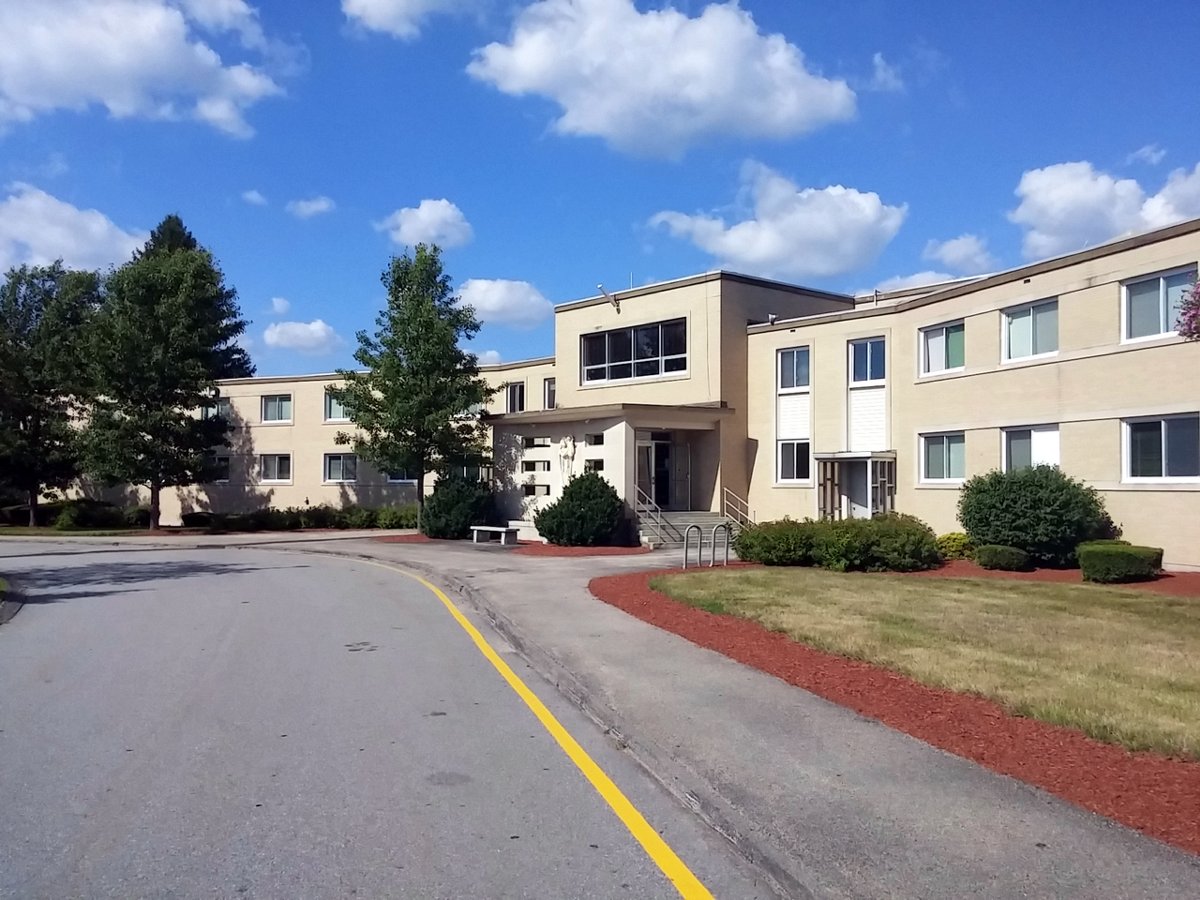
- Paxton, Massachusetts 01612-1198
After College
Source: College Scorecard / U.S. Department of Education
- Median Earnings (10 years)
- $46,651
- Median Earnings (5 years)
- $75,529
- Mean Earnings (6 years after entry)
- $38,000
- Loan Repayment Rate
- 57.6%
- Monthly Loan Payment
- $265/mo
- Median Debt at Graduation
- $25,000
Frequently Asked Questions
What is the acceptance rate at Anna Maria College?
Anna Maria College accepts 69.58% of applicants, making it moderately selective. The small Catholic institution focuses heavily on hands-on learning in fields like education, nursing, and criminal justice.
How much does Anna Maria College cost after financial aid?
Students pay an average net price of $29,396 after aid, despite the sticker price of $43,064 for tuition. The college provides institutional grants averaging $31,854 to nearly 20% of students.
What is the student-faculty ratio at Anna Maria College?
Anna Maria maintains a 13:1 student-faculty ratio with just 948 total students. This small liberal arts environment allows for personalized attention in the college's signature programs like education and nursing.
What do graduates of Anna Maria College earn after graduation?
Alumni earn a median of $46,651 ten years after graduation with typical monthly loan payments of $265. The employment rate reaches 98.7%, reflecting strong job placement in education, healthcare, and criminal justice fields.
Where is Anna Maria College located and what is campus life like?
The campus sits in rural Paxton, Massachusetts with housing for 610 students. With 62.55% male students and 356 student-athletes competing in 13 NCAA Division III sports, the Amcats maintain an active campus despite the small size.
Does Anna Maria College have good graduation rates?
Only 40.40% of students graduate within six years, with a 61.69% first-year retention rate. These lower completion rates reflect challenges common among small colleges serving diverse populations, including 34.24% Pell Grant recipients.