
About Arizona State University Campus Immersion
The financial picture tells a compelling story about value and accessibility. Students pay an average net price of $13,670 after aid, lower than the sticker price. Graduates earn a median of $62,668 ten years after graduation, while carrying typical debt loads of $19,500. For low-income families earning under $30,000, the net price drops to just $8,909. The math works in students' favor, with monthly loan payments averaging $207 against solid earning potential.
ASU's student body reflects modern America, with 26.03% Hispanic students and 43.50% white students creating a diverse learning environment. The Sun Devils compete in 22 Division I sports with $16.9 million in athletic scholarships. With 85.32% of students returning for sophomore year, most find their fit in this sprawling innovation ecosystem.
Academics & Faculty
Source: College Scorecard / U.S. Department of Education
- Student-to-Faculty Ratio
- 18:1
- Full-Time Faculty
- 72.8%
- Graduation Rate (4-year)
- 67.4%
- Graduation Rate (6-year)
- 67.8%
- Retention Rate
- 85.3%
- Median Earnings (10 years)
- $62,668
- Carnegie Classification
- Doctoral University (R1)
Popular Programs by Earnings
| Program | Level | Median Earnings |
|---|---|---|
| Registered Nursing, Nursing Administration, Nursing Research and Clinical Nursing. | Doctoral | $107,256 |
| Computer Science. | Master | $106,421 |
| Business Administration, Management and Operations. | Master | $98,650 |
| Electrical, Electronics and Communications Engineering. | Master | $94,817 |
| Management Sciences and Quantitative Methods. | Master | $94,075 |
| Engineering, General. | Master | $90,412 |
| Industrial Engineering. | Master | $90,146 |
| Aerospace, Aeronautical and Astronautical Engineering. | Master | $82,440 |
| Mechanical Engineering. | Master | $81,702 |
| Communication Disorders Sciences and Services. | Doctoral | $78,343 |
Campus Life
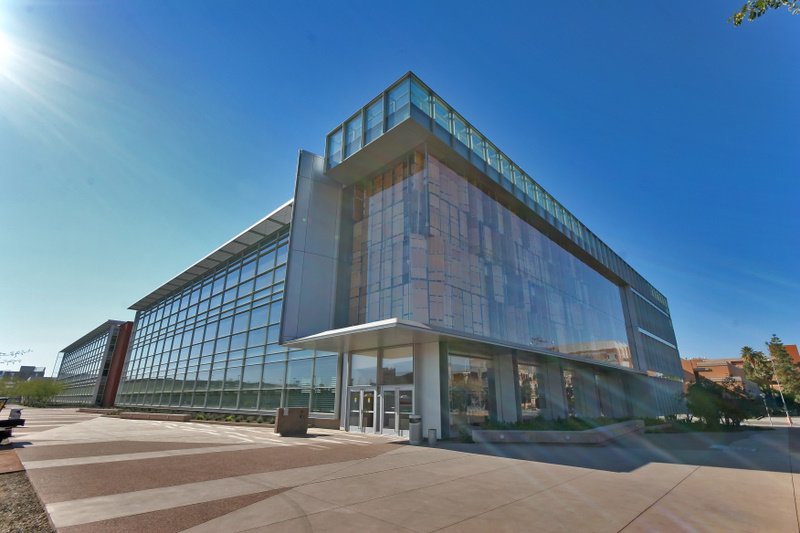
Only about 25% of students live in the 16,179 on-campus housing spots, so most experience the broader Tempe community. Mill Avenue pulses with restaurants, bars, and late-night spots where Sun Devils gather after classes. The 18:1 student-faculty ratio means large lecture halls are common, but ASU's innovation focus creates unique learning spaces and hands-on opportunities. Weekends revolve around Sun Devil Stadium for football or exploring Phoenix's hiking trails and entertainment districts. The campus buzzes with entrepreneurial energy - you'll find students launching startups between classes. With 89.75% acceptance and diverse programming, ASU attracts students serious about accessibility and innovation rather than exclusivity.
- Setting
- City-Midsize
- Housing Capacity
- 16,179 beds
- Calendar System
- Semester
- Study Abroad
- Available
Campus Safety (2023)
426 total reported incidents. Source: Clery Act / U.S. Department of Education
| Offense | On Campus | Residential | Noncampus | Public Property |
|---|---|---|---|---|
| Motor Vehicle Theft | 200 | 9 | 0 | 0 |
| Burglary | 26 | 11 | 2 | 0 |
| Rape | 19 | 18 | 1 | 0 |
| Aggravated Assault | 21 | 7 | 0 | 9 |
| Stalking | 28 | 7 | 0 | 0 |
| Fondling | 12 | 7 | 1 | 0 |
| Dating Violence | 13 | 6 | 0 | 0 |
| Robbery | 9 | 1 | 0 | 3 |
| Arson | 7 | 5 | 0 | 0 |
| Domestic Violence | 2 | 0 | 0 | 0 |
| Statutory Rape | 1 | 1 | 0 | 0 |
Climate & Weather
- January Avg
- 38°–70°F
- July Avg
- 75°–105°F
- Annual Precipitation
- 8.8"
- Annual Snowfall
- 0.0"
Student Demographics
- Men
- 51.6%
- Women
- 48.5%
- White
- 43.5%
- Black
- 4.3%
- Hispanic
- 26.0%
- Asian
- 9.1%
- In-State Students
- 64.1%
- Pell Grant Recipients
- 29.7%
Location
- Address
- Tempe, Arizona 85287
After College
Source: College Scorecard / U.S. Department of Education
- Median Earnings (10 years)
- $62,668
- Median Earnings (5 years)
- $64,510
- Mean Earnings (6 years after entry)
- $42,200
- Loan Repayment Rate
- 58.5%
- Monthly Loan Payment
- $207/mo
- Median Debt at Graduation
- $19,500
Frequently Asked Questions
What is the acceptance rate at Arizona State University Campus Immersion?
Arizona State University accepts 89.75% of applicants, reflecting its commitment to accessibility and inclusive education. The university's open-admission philosophy aligns with its mission as an innovation-focused mega-university that prioritizes student access over selectivity.
How much does Arizona State University Campus Immersion cost after financial aid?
Students pay an average net price of $13,670 annually after aid, with costs varying by family income. Low-income families earning under $30,000 pay just $8,909 on average, while the median debt load of $19,500 remains manageable compared to national averages.
What is the student-faculty ratio at Arizona State University Campus Immersion?
The student-faculty ratio stands at 18:1 across the university's 64,398 enrolled students. ASU has built its reputation as a large research university that balances scale with innovation, particularly through its pioneering online education programs and entrepreneurship initiatives.
What are the career outcomes for Arizona State University Campus Immersion graduates?
Graduates earn a median salary of $62,668 ten years after enrollment, with a strong employment rate of 93.8%. The university's focus on innovation and entrepreneurship programs helps prepare students for success in Arizona's growing tech and business sectors.
Where is Arizona State University Campus Immersion located and what is campus life like?
The main campus sits in Tempe, a mid-size city that offers 16,179 housing spots for students seeking the traditional college experience. As the Sun Devils compete in 22 NCAA Division I sports with $16.9 million in athletic scholarships, the campus maintains an energetic atmosphere despite serving as a commuter-friendly institution.
How does Arizona State University Campus Immersion's online education program work?
ASU pioneered accessible online education as part of its mega-university model, serving students both on-campus and digitally worldwide. The retention rate of 85.32% demonstrates that the university's modern approach to blended learning successfully keeps students engaged across multiple delivery formats.