

About Arkansas State University-Mountain Home
The financial picture looks solid for a community college. In-state students pay just $3,168 in tuition, while the average net price after aid reaches $9,659. Graduates earn a median of $34,238 ten years after starting, with typical debt loads of $10,500. Monthly loan payments average only $111, making this an affordable path to middle-class earnings. About 43% of students receive Pell Grants, reflecting the school's mission to serve working-class families.
The student body skews heavily female at 64%, which fits the school's strong healthcare and human services programs. Only 67 students compete in athletics across two NCCAA sports as Trailblazers. The 14:1 student-faculty ratio means plenty of individual attention. With a 92% employment rate, graduates find work quickly in the regional economy.
Academics & Faculty
Source: College Scorecard / U.S. Department of Education
- Student-to-Faculty Ratio
- 14:1
- Full-Time Faculty
- 41.1%
- Graduation Rate (6-year)
- 50.0%
- Median Earnings (10 years)
- $34,238
Popular Programs by Earnings
| Program | Level | Median Earnings |
|---|---|---|
| Registered Nursing, Nursing Administration, Nursing Research and Clinical Nursing. | Associate | $47,260 |
| Health Services/Allied Health/Health Sciences, General. | Certificate | $24,035 |
| Information Science/Studies. | Associate | $21,508 |
| Liberal Arts and Sciences, General Studies and Humanities. | Associate | $21,166 |
| Business/Commerce, General. | Associate | $16,015 |
Campus Life
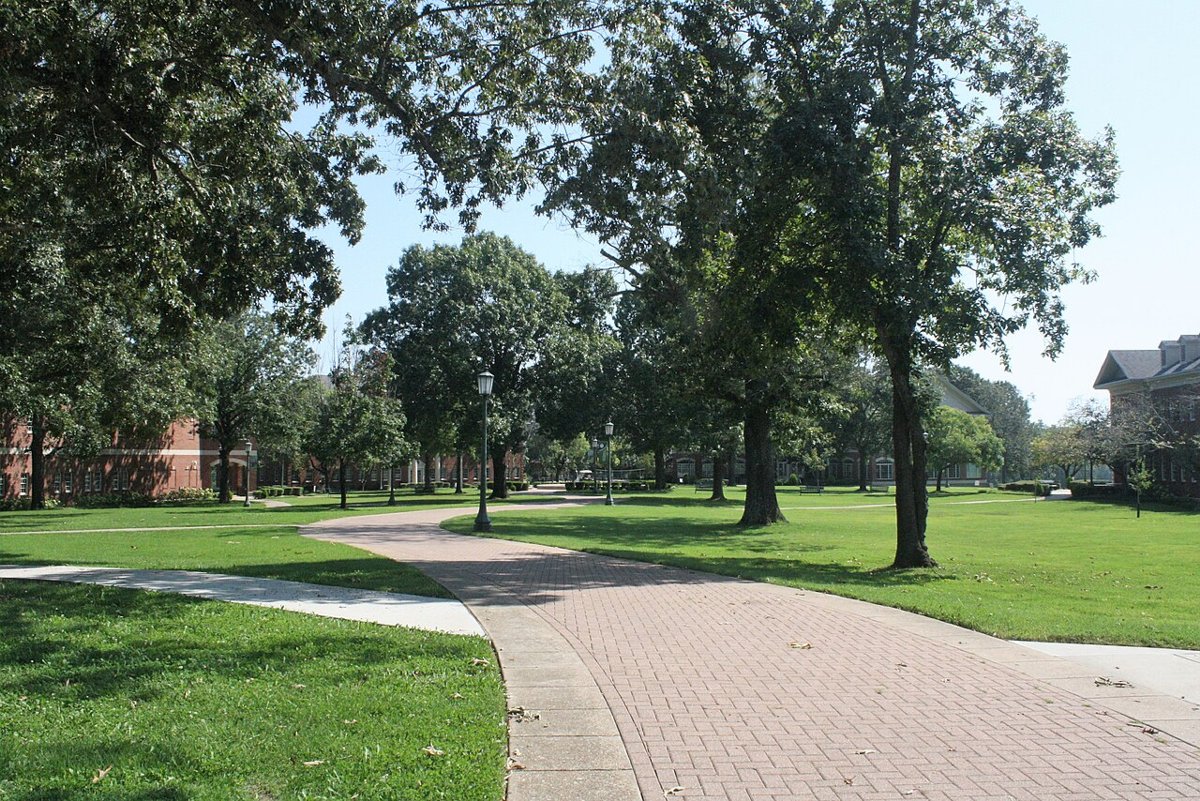
The campus lacks dormitories, so students commute from around the region or rent apartments in town. Women make up 64% of enrollment, and the average age skews older than traditional colleges as many students balance work and family responsibilities. Weekends often involve outdoor activities like fishing on nearby Bull Shoals Lake or hiking in the Ozark Mountains. Arkansas winters require a decent jacket but rarely see snow, while summers demand air conditioning and sunscreen.
The Trailblazers field just two varsity sports with 67 total athletes, so school spirit centers more on academic programs than athletics. With a 92% employment rate and median starting salaries around $31,500, most students focus on practical skills training rather than campus social life.
- Setting
- Town-Remote
- Calendar System
- Semester
Campus Safety (2023)
No reported Clery Act crimes in 2023.
Climate & Weather
- January Avg
- 25°–45°F
- July Avg
- 68°–89°F
- Annual Precipitation
- 48.1"
- Annual Snowfall
- -1,544.9"
Student Demographics
- Men
- 36.2%
- Women
- 63.8%
- White
- 92.6%
- Black
- 1.1%
- Hispanic
- 0.3%
- Asian
- 0.8%
- In-State Students
- 95.2%
- Pell Grant Recipients
- 43.4%
Location
- Address
- Mountain Home, Arkansas 72653
After College
Source: College Scorecard / U.S. Department of Education
- Median Earnings (10 years)
- $34,238
- Median Earnings (5 years)
- $37,231
- Monthly Loan Payment
- $111/mo
- Median Debt at Graduation
- $10,500
Frequently Asked Questions
What are the admission requirements at Arkansas State University-Mountain Home?
As a community college, Arkansas State University-Mountain Home maintains open enrollment policies for most programs. The school serves 920 students primarily from Arkansas, with 95.18% coming from in-state. This accessibility makes it a popular choice for local workforce training and transfer preparation.
How much does Arkansas State University-Mountain Home cost after financial aid?
Students pay an average net price of $9,659 annually after aid, with in-state tuition starting at just $3,168. Low-income families earning under $30,000 pay only $8,311 net price. Graduates typically leave with manageable debt of $10,500 and monthly loan payments of $111.
What is the student-faculty ratio at Arkansas State University-Mountain Home?
The college maintains a 14:1 student-faculty ratio, providing personalized attention in career-focused programs. With 63.80% of students being women, the school has built a strong reputation for nursing and healthcare training. The intimate class sizes support hands-on learning in technical fields.
What are the job prospects after graduating from Arkansas State University-Mountain Home?
Graduates achieve a strong 92.0% employment rate, with median earnings of $34,238 ten years after graduation. The school's workforce training programs prepare students for immediate employment in north-central Arkansas. Recent graduates start with median earnings of $31,490 in their first year.
Where is Arkansas State University-Mountain Home located and what is campus life like?
The campus sits in Mountain Home, a remote town setting that offers a close-knit community atmosphere. With only 67 total athletes competing in 2 varsity sports through NCCAA, the focus remains on academics rather than athletics. The Trailblazers nickname reflects the school's role in pioneering career paths for rural Arkansas students.
Does Arkansas State University-Mountain Home offer good value for career training?
The college excels at providing affordable workforce preparation with 43.38% of students receiving Pell Grants. Half of students complete their programs within six years, earning credentials that lead directly to employment. The school's mission centers on practical skills training rather than traditional four-year degree preparation.
Similar Schools

Southern Arkansas University Tech
Camden, Arkansas

Cossatot Community College of the University of Arkansas
De Queen, Arkansas

University of Arkansas Community College-Batesville
Batesville, Arkansas

Black River Technical College
Pocahontas, Arkansas

University of Arkansas for Medical Sciences
Little Rock, Arkansas

East Arkansas Community College
Forrest City, Arkansas