
About Atlantic Cape Community College
The financial picture makes Atlantic Cape an affordable option for most families. Students pay an average net price of $8,502 after financial aid, with nearly half receiving Pell Grants. Low-income families pay just $7,752 per year after aid. Graduates carry a median debt of only $9,500, manageable given the $101 monthly loan payments. While median earnings of $34,241 ten years after graduation reflect the community college pathway, the 88.8% employment rate shows most graduates find work quickly.
Women make up 63% of the student body, reflecting community college trends nationwide. The Buccaneers compete in nine varsity sports with 96 total athletes, though the college offers no athletic scholarships. The diverse campus serves a student population that is 41% White, 29% Hispanic, and 14% Black.
Academics & Faculty
Source: College Scorecard / U.S. Department of Education
- Student-to-Faculty Ratio
- 16:1
- Full-Time Faculty
- 100.0%
- Graduation Rate (6-year)
- 24.9%
- Median Earnings (10 years)
- $34,241
Popular Programs by Earnings
| Program | Level | Median Earnings |
|---|---|---|
| Registered Nursing, Nursing Administration, Nursing Research and Clinical Nursing. | Associate | $58,673 |
| Culinary Arts and Related Services. | Associate | $28,236 |
| Criminal Justice and Corrections. | Associate | $22,578 |
| Liberal Arts and Sciences, General Studies and Humanities. | Associate | $19,455 |
Campus Life
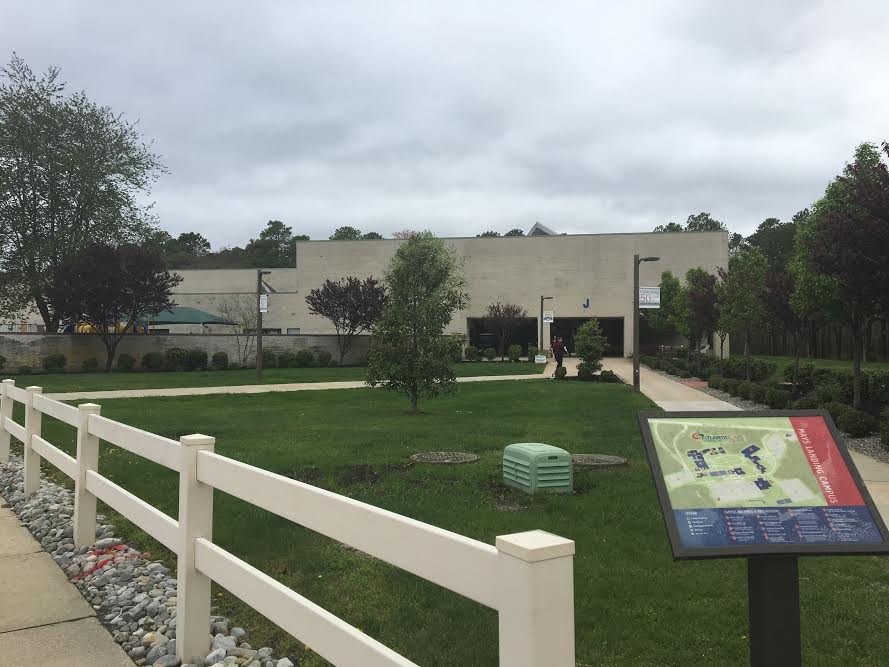
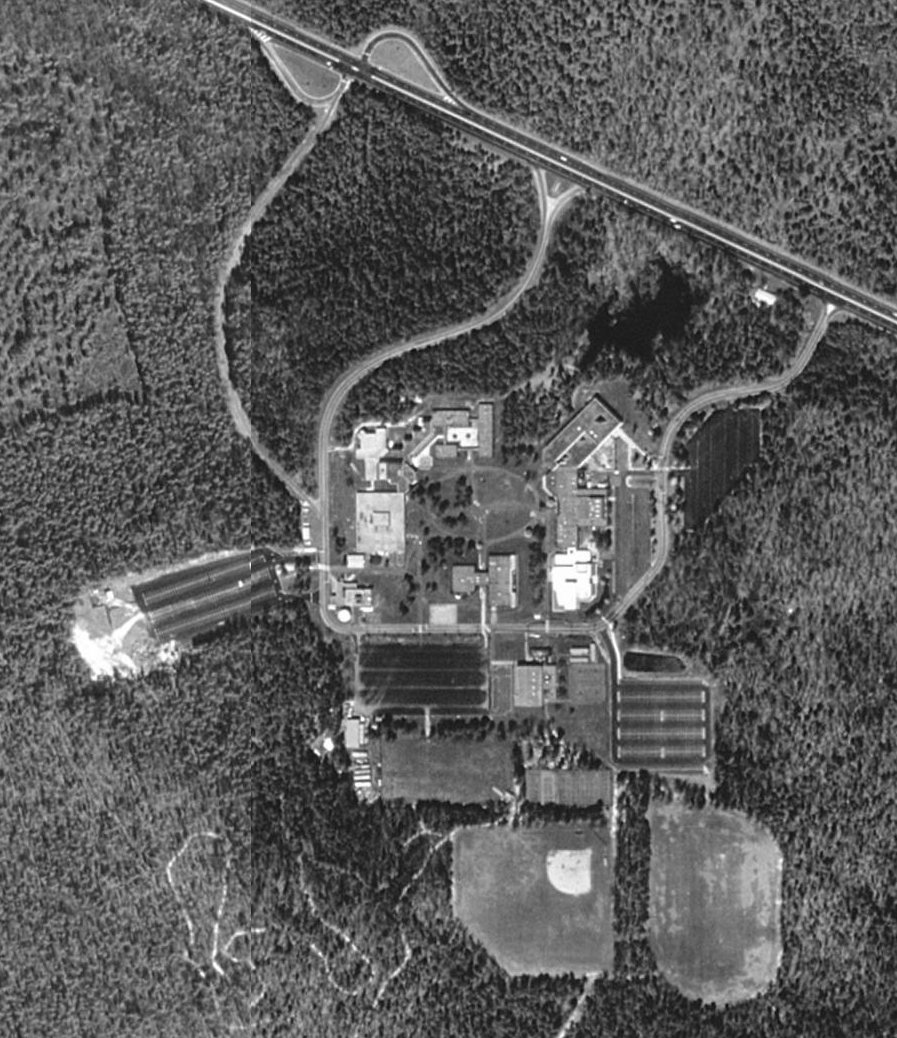
The campus feels quiet between classes since most students work part-time jobs or have family obligations. With a 16:1 student-to-faculty ratio, you'll get to know your professors in smaller classrooms. Winter temperatures drop into the 30s, so pack a coat for January walks between buildings. The Buccaneers compete in nine varsity sports with 96 total athletes, though athletic scholarships aren't available. Weekends often mean heading to nearby beaches in summer or working shifts at local businesses. The Pine Barrens location offers hiking trails and outdoor activities for students who want to explore New Jersey's wilderness areas.
- Setting
- Rural-Fringe
- Calendar System
- Semester
- Founded
- 1964
Campus Safety (2023)
No reported Clery Act crimes in 2023.
Climate & Weather
- January Avg
- 25°–43°F
- July Avg
- 67°–86°F
- Annual Precipitation
- 46.0"
- Annual Snowfall
- 17.4"
Student Demographics
- Men
- 37.0%
- Women
- 63.0%
- White
- 41.4%
- Black
- 13.7%
- Hispanic
- 29.1%
- Asian
- 5.9%
- In-State Students
- 99.4%
- Pell Grant Recipients
- 49.8%
Location
- Address
- Mays Landing, New Jersey 08330-2699
After College
Source: College Scorecard / U.S. Department of Education
- Median Earnings (10 years)
- $34,241
- Median Earnings (5 years)
- $44,105
- Mean Earnings (6 years after entry)
- $25,300
- Loan Repayment Rate
- 41.9%
- Monthly Loan Payment
- $101/mo
- Median Debt at Graduation
- $9,500
Frequently Asked Questions
What are the admission requirements at Atlantic Cape Community College?
Atlantic Cape Community College maintains an open admission policy as a public community college, meaning nearly all applicants are accepted. The college serves 3,860 students and focuses on providing accessible education for career training and transfer pathways. Students can enroll in programs ranging from healthcare to business without the competitive admission process of four-year universities.
How much does Atlantic Cape Community College cost after financial aid?
Students at Atlantic Cape Community College pay an average net price of $8,502 annually after financial aid. Nearly half of all students (49.81%) receive Pell Grants, making education affordable for working-class families. In-state tuition starts at $4,863, while the typical monthly loan payment for graduates is just $101.
What is the student-faculty ratio at Atlantic Cape Community College?
Atlantic Cape Community College maintains a 16:1 student-faculty ratio, providing relatively small class sizes for personalized attention. The college operates on a semester system and emphasizes hands-on career training programs. This ratio allows instructors to work closely with students in technical fields and transfer preparation courses.
What are the job prospects for Atlantic Cape Community College graduates?
Graduates of Atlantic Cape Community College have an 88.8% employment rate, reflecting strong career preparation programs. The median earnings after six years reach $34,241, with graduates typically carrying manageable debt loads of $9,500. The college's focus on workforce development helps students enter high-demand fields in southern New Jersey.
Where is Atlantic Cape Community College located and what is campus life like?
Atlantic Cape Community College sits in Mays Landing, New Jersey, in a rural-fringe setting that serves the southern part of the state. The campus hosts 96 student athletes competing in nine varsity sports as the Buccaneers in NCCAA competition. With 99.39% of students coming from in-state, the college creates a close-knit community atmosphere.
Does Atlantic Cape Community College have a diverse student body?
Atlantic Cape Community College serves a diverse population with 41.40% White, 29.09% Hispanic, 13.65% Black, and 5.88% Asian students. Women make up 63.03% of the enrollment, reflecting national trends in community college attendance. This diversity mirrors the changing demographics of southern New Jersey and creates a multicultural learning environment.
Similar Schools
Rowan College of South Jersey-Gloucester Campus
Sewell, New Jersey
Rowan College of South Jersey-Cumberland Campus
Vineland, New Jersey
New Jersey City University
Jersey City, New Jersey
Mercer County Community College
West Windsor, New Jersey
County College of Morris
Randolph, New Jersey
Essex County College
Newark, New Jersey