
About Augusta Technical College
The money math works well for most students. After financial aid, families earning under $30,000 pay about $8,259 per year, while those earning $30,000 to $48,000 pay even less at $7,668. Graduates typically leave with just $4,500 in debt and monthly loan payments of only $48. Within a year of finishing, the median graduate earns $36,224, which jumps to $38,389 after five years. That's solid pay for someone who spent two years in school instead of four.
The student body reflects Augusta's diversity, with 52% Black students and 33% White students. Women make up 63% of enrollment, which fits the school's strong programs in nursing and allied health. An impressive 93% of graduates find employment, and 94% of students come from Georgia, creating a tight-knit community focused on serving local industries.
Academics & Faculty
Source: College Scorecard / U.S. Department of Education
- Student-to-Faculty Ratio
- 15:1
- Full-Time Faculty
- 56.3%
- Graduation Rate (6-year)
- 30.8%
- Median Earnings (10 years)
- $33,523
Popular Programs by Earnings
| Program | Level | Median Earnings |
|---|---|---|
| Nuclear Engineering Technologies/Technicians. | Associate | $67,660 |
| Registered Nursing, Nursing Administration, Nursing Research and Clinical Nursing. | Associate | $55,512 |
| Allied Health Diagnostic, Intervention, and Treatment Professions. | Associate | $42,682 |
| Computer/Information Technology Administration and Management. | Associate | $41,937 |
| Criminal Justice and Corrections. | Certificate | $39,369 |
| Practical Nursing, Vocational Nursing and Nursing Assistants. | Certificate | $39,369 |
| Heating, Air Conditioning, Ventilation and Refrigeration Maintenance Technology/Technician (HAC, HACR, HVAC, HVACR). | Certificate | $35,060 |
| Precision Metal Working. | Certificate | $34,908 |
| Allied Health and Medical Assisting Services. | Associate | $32,925 |
| Allied Health Diagnostic, Intervention, and Treatment Professions. | Certificate | $29,685 |
Campus Life
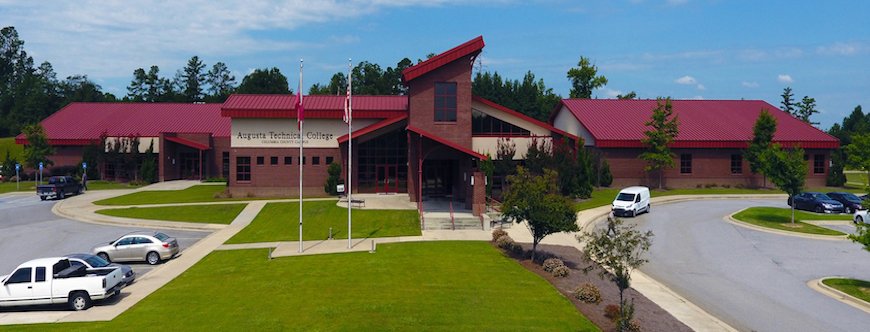
The campus buzzes during weekdays as students move between hands-on labs and classrooms, but empties out after classes end. Women make up 63.13% of students, and many are older adults switching careers or upgrading skills while working. Augusta's hot, humid summers mean you'll want air conditioning more than winter coats, though you might need a light jacket for the mild winters. Students don't hang around for weekend parties or football games. Instead, they focus on completing programs quickly and getting into the workforce. The 15:1 student-faculty ratio means instructors know your name and can give personal attention as you work toward industry certifications and associate degrees.
- Setting
- City-Midsize
- Calendar System
- Semester
Campus Safety (2023)
No reported Clery Act crimes in 2023.
Climate & Weather
- January Avg
- 32°–57°F
- July Avg
- 69°–93°F
- Annual Precipitation
- 43.6"
- Annual Snowfall
- 0.9"
Student Demographics
- Men
- 36.9%
- Women
- 63.1%
- White
- 32.9%
- Black
- 52.1%
- Hispanic
- 7.3%
- Asian
- 1.6%
- In-State Students
- 93.5%
- Pell Grant Recipients
- 42.3%
Location
- Address
- Augusta, Georgia 30906
After College
Source: College Scorecard / U.S. Department of Education
- Median Earnings (10 years)
- $33,523
- Median Earnings (5 years)
- $38,389
- Mean Earnings (6 years after entry)
- $25,200
- Loan Repayment Rate
- 27.5%
- Monthly Loan Payment
- $48/mo
- Median Debt at Graduation
- $4,500
Frequently Asked Questions
What are the admission requirements at Augusta Technical College?
Augusta Technical College maintains an open admission policy for most programs, making it accessible to students seeking technical training. The school enrolls 3,531 students and draws heavily from the local community, with 93.53% of students coming from Georgia. Students can start their technical education without the competitive admissions process found at four-year universities.
How much does Augusta Technical College cost after financial aid?
Students pay an average net price of $8,509 annually, with costs varying by family income. Low-income families earning under $30,000 pay about $8,259, while those earning $30,000-$48,000 pay $7,668. The relatively low debt burden of $4,500 median reflects the school's focus on affordable workforce training.
What is the student-faculty ratio at Augusta Technical College?
The college maintains a 15:1 student-faculty ratio, allowing for hands-on instruction crucial in technical programs. Students work directly with industry professionals in fields like automotive technology, welding, and healthcare. This personalized approach helps prepare graduates for immediate employment in skilled trades.
What are the job prospects after graduating from Augusta Technical College?
Graduates achieve a 93.1% employment rate, reflecting strong demand for skilled technical workers in the Augusta area. The median earnings of $36,224 within one year demonstrate the immediate earning potential of technical training. However, the 30.80% six-year graduation rate indicates that many students take longer to complete their programs or transfer to other institutions.
Where is Augusta Technical College located and what is the campus like?
The college serves the Augusta metropolitan area, a mid-sized city that's home to major employers like the Savannah River Site and Augusta University Medical Center. Women make up 63.13% of the student body, reflecting the college's strong healthcare and business programs. The urban setting provides internship and job opportunities with local industries and healthcare systems.
Does Augusta Technical College serve a diverse student population?
The college reflects the demographics of the Central Savannah River Area, with 52.14% Black students and 32.85% White students. Hispanic enrollment stands at 7.25%, representing the growing Latino community in Georgia. The school's mission focuses on providing accessible technical education to underserved populations, with 42.34% of students receiving Pell Grants.