
About Augusta University
Students pay an average net price of $13,347 after financial aid, making this one of the more affordable paths to a healthcare career. Graduates earn a median of $48,472 ten years after enrollment, providing solid return on investment for those entering medical fields. Students typically leave with $20,500 in debt and monthly loan payments of $217. The 38.38% of students receiving Pell Grants reflects the university's role serving middle and working-class Georgia families.
Nearly 94% of students come from in-state, creating a tight-knit community that understands Georgia's healthcare needs. The student body is 64% female, reflecting the gender composition common in health sciences programs. With 222 student-athletes competing in 11 NCAA Division II sports as the Jaguars, the university offers competitive athletics alongside its academic mission. The 73.47% retention rate suggests most students find their academic fit here.
Academics & Faculty
Source: College Scorecard / U.S. Department of Education
- Student-to-Faculty Ratio
- 16:1
- Full-Time Faculty
- 65.5%
- Graduation Rate (4-year)
- 49.4%
- Graduation Rate (6-year)
- 48.6%
- Retention Rate
- 73.5%
- Median Earnings (10 years)
- $48,472
- Carnegie Classification
- Doctoral University (R2)
Popular Programs by Earnings
| Program | Level | Median Earnings |
|---|---|---|
| Dental Residency Programs. | Certificate | $222,886 |
| Dentistry. | Doctoral | $115,542 |
| Allied Health Diagnostic, Intervention, and Treatment Professions. | Master | $106,421 |
| Registered Nursing, Nursing Administration, Nursing Research and Clinical Nursing. | Doctoral | $103,078 |
| Rehabilitation and Therapeutic Professions. | Doctoral | $70,127 |
| Registered Nursing, Nursing Administration, Nursing Research and Clinical Nursing. | Master | $67,789 |
| Business Administration, Management and Operations. | Master | $66,821 |
| Rehabilitation and Therapeutic Professions. | Master | $64,990 |
| Registered Nursing, Nursing Administration, Nursing Research and Clinical Nursing. | Bachelor | $61,888 |
| Computer and Information Sciences, General. | Bachelor | $58,943 |
Campus Life
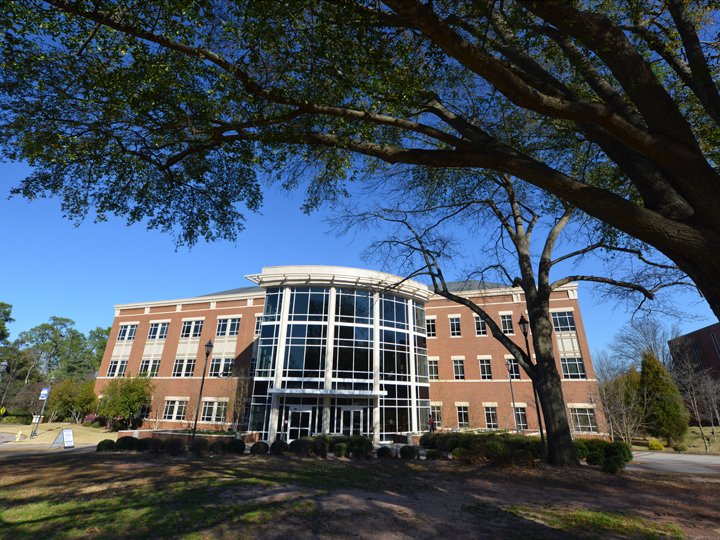
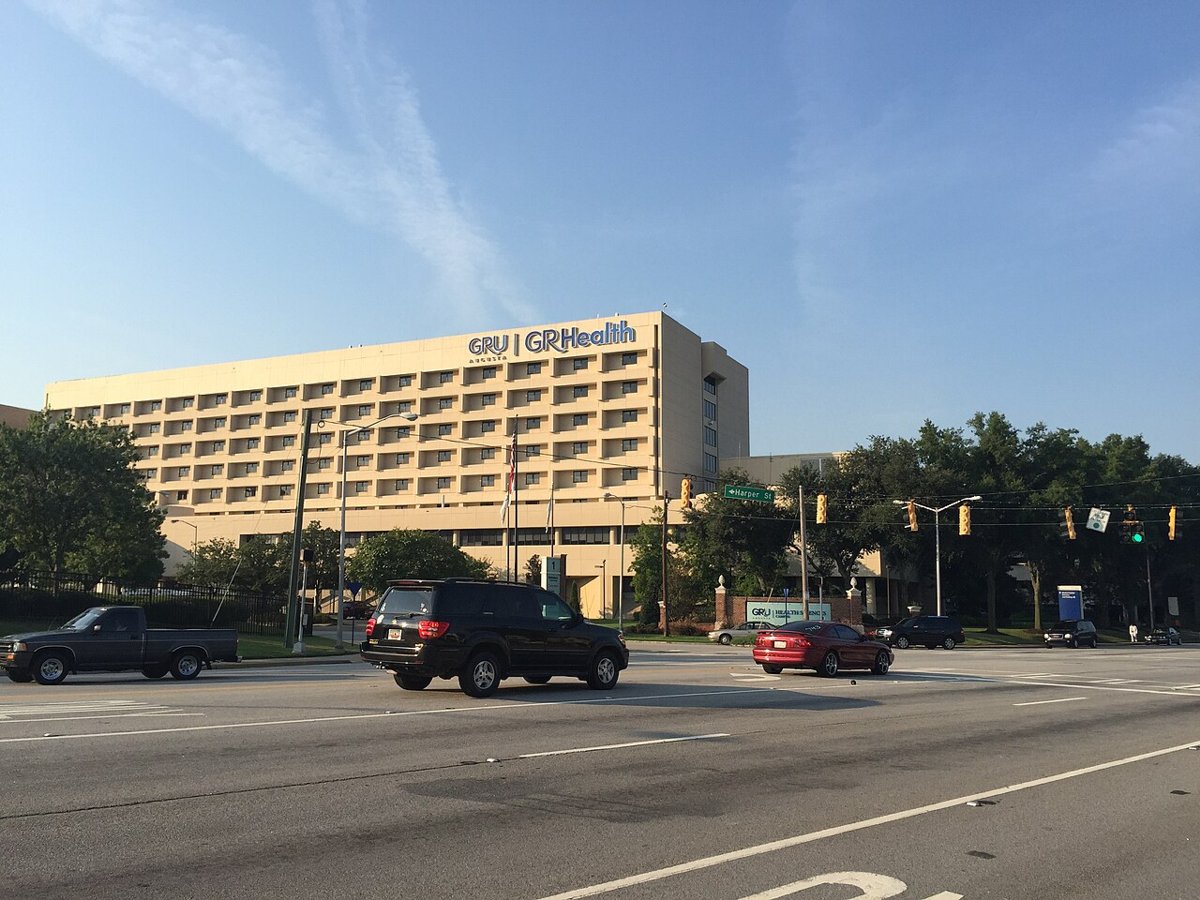
The health sciences focus shapes campus life . Women make up 64.07% of students, reflecting the university's strong nursing and allied health programs. Students often spend long hours in labs and clinical rotations at the affiliated medical center. The humid subtropical climate means shorts and t-shirts work most of the year, though you'll need a light jacket for brief winter months. Downtown Augusta offers restaurants and nightlife along the Riverwalk, while many students head to nearby lakes for weekend recreation. The Masters Tournament at Augusta National Golf Club each April brings international attention to the city. Campus traditions center around the health sciences mission, with white coat ceremonies marking students' entry into medical programs.
- Setting
- City-Midsize
- Housing Capacity
- 1,228 beds
- Calendar System
- Semester
- Study Abroad
- Available
- Founded
- 1828
Campus Safety (2023)
52 total reported incidents. Source: Clery Act / U.S. Department of Education
| Offense | On Campus | Residential | Noncampus | Public Property |
|---|---|---|---|---|
| Burglary | 12 | 1 | 1 | 0 |
| Motor Vehicle Theft | 4 | 0 | 4 | 0 |
| Fondling | 6 | 0 | 1 | 0 |
| Domestic Violence | 5 | 1 | 0 | 0 |
| Stalking | 5 | 0 | 1 | 0 |
| Aggravated Assault | 2 | 1 | 0 | 2 |
| Dating Violence | 3 | 1 | 0 | 0 |
| Rape | 1 | 0 | 0 | 0 |
| Robbery | 1 | 0 | 0 | 0 |
Climate & Weather
- January Avg
- 39°–58°F
- July Avg
- 74°–93°F
- Annual Precipitation
- 44.8"
- Annual Snowfall
- 0.8"
Student Demographics
- Men
- 35.9%
- Women
- 64.1%
- White
- 45.9%
- Black
- 26.4%
- Hispanic
- 10.2%
- Asian
- 8.5%
- In-State Students
- 93.7%
- Pell Grant Recipients
- 38.4%
Location
- Address
- Augusta, Georgia 30912
After College
Source: College Scorecard / U.S. Department of Education
- Median Earnings (10 years)
- $48,472
- Median Earnings (5 years)
- $57,868
- Mean Earnings (6 years after entry)
- $52,300
- Loan Repayment Rate
- 56.1%
- Monthly Loan Payment
- $217/mo
- Median Debt at Graduation
- $20,500
Frequently Asked Questions
What is the acceptance rate at Augusta University?
Augusta University accepts 85.53% of applicants with an average SAT score of 1115. This health sciences-focused institution draws primarily from Georgia, with 93.68% of students coming from in-state.
How much does Augusta University cost after financial aid?
The average net price at Augusta University is $13,347 annually. Students from families earning under $30,000 pay just $10,597 on average, making this medical university accessible for Georgia residents.
What is Augusta University known for academically?
Augusta University specializes in health sciences education and medical programs as a public research university. The 16:1 student-faculty ratio supports hands-on learning in healthcare fields that the school has developed since its founding in 1828.
What are the career outcomes at Augusta University?
Graduates earn a median salary of $48,472 ten years after graduation with a 94.9% employment rate. The 48.60% six-year graduation rate reflects the rigorous nature of health sciences programs that prepare students for medical careers.
Where is Augusta University located and what is campus life like?
Augusta University sits in midsize Augusta, Georgia, with housing for 1,228 students out of 5,282 total enrollment. The Jaguars compete in 11 NCAA Division II sports in the Peach Belt Conference, creating a tight-knit athletic community.
Does Augusta University have a diverse student body?
Augusta University enrolls 64.07% women, reflecting the gender distribution common in health sciences programs. The student body is 45.93% White, 26.39% Black, 10.24% Hispanic, and 8.46% Asian, creating diversity within Georgia's medical education landscape.