About Barry University
Students pay an average net price of $22,978 after financial aid, substantially less than the $48,450 sticker price. Graduates earn a median of $55,966 ten years after graduation. The typical debt load of $26,997 translates to monthly loan payments of $286. Nearly 46% of students receive Pell Grants, indicating significant financial need in the student population.
The Buccaneers compete in 19 NCAA Division II sports with $4.5 million in athletic scholarships distributed among 328 athletes. However, academic outcomes show room for improvement. Only 37% of students graduate within four years, and the 58% retention rate suggests many students struggle to persist. The employment rate of 94% indicates strong job placement for those who complete their degrees, particularly in the university's signature health and business programs.
Academics & Faculty
Source: College Scorecard / U.S. Department of Education
- Student-to-Faculty Ratio
- 10:1
- Full-Time Faculty
- 25.2%
- Graduation Rate (4-year)
- 37.7%
- Graduation Rate (6-year)
- 36.6%
- Retention Rate
- 57.7%
- Median Earnings (10 years)
- $55,966
- Carnegie Classification
- Doctoral/Professional University
Popular Programs by Earnings
| Program | Level | Median Earnings |
|---|---|---|
| Registered Nursing, Nursing Administration, Nursing Research and Clinical Nursing. | Doctoral | $122,038 |
| Registered Nursing, Nursing Administration, Nursing Research and Clinical Nursing. | Master | $111,492 |
| Homeland Security. | Bachelor | $103,746 |
| Allied Health Diagnostic, Intervention, and Treatment Professions. | Master | $98,974 |
| Allied Health Diagnostic, Intervention, and Treatment Professions. | Bachelor | $84,653 |
| Health Professions and Related Clinical Sciences, Other. | Master | $69,338 |
| Rehabilitation and Therapeutic Professions. | Master | $65,804 |
| Registered Nursing, Nursing Administration, Nursing Research and Clinical Nursing. | Bachelor | $64,174 |
| Public Administration. | Master | $60,298 |
| Public Administration. | Bachelor | $58,673 |
Campus Life
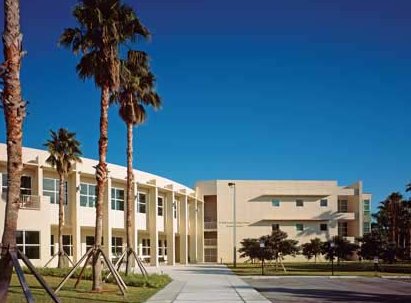
Women make up 63% of the student body at this Catholic university. The diverse campus includes 37.8% Black students and 34.8% Hispanic students. With 19 varsity sports and 328 total athletes competing in Division II, Buccaneers games draw weekend crowds. The 10:1 student-faculty ratio means small classes where professors know your name. Students often head to nearby Aventura Mall or Miami Beach on weekends. The campus ministry organizes service trips that reflect Barry's Catholic mission. Greek life isn't dominant here, but campus activities and Miami's cultural attractions keep social calendars full. Many students appreciate the intimate feel while having access to Miami's internship and job opportunities.
- Setting
- Suburb-Large
- Housing Capacity
- 1,263 beds
- Calendar System
- Semester
- Study Abroad
- Available
- Founded
- 1940
Campus Safety (2023)
4 total reported incidents. Source: Clery Act / U.S. Department of Education
| Offense | On Campus | Residential | Noncampus | Public Property |
|---|---|---|---|---|
| Aggravated Assault | 1 | 1 | 0 | 0 |
| Dating Violence | 1 | 1 | 0 | 0 |
Climate & Weather
- January Avg
- 59°–75°F
- July Avg
- 75°–89°F
- Annual Precipitation
- 68.3"
- Annual Snowfall
- 0.0"
Student Demographics
- Men
- 36.9%
- Women
- 63.1%
- White
- 10.9%
- Black
- 37.8%
- Hispanic
- 34.8%
- Asian
- 1.4%
- In-State Students
- 62.2%
- Pell Grant Recipients
- 45.7%
Location
- Address
- Miami, Florida 33161-6695
After College
Source: College Scorecard / U.S. Department of Education
- Median Earnings (10 years)
- $55,966
- Median Earnings (5 years)
- $62,844
- Mean Earnings (6 years after entry)
- $43,700
- Loan Repayment Rate
- 40.0%
- Monthly Loan Payment
- $286/mo
- Median Debt at Graduation
- $26,997
Frequently Asked Questions
What is the acceptance rate at Barry University?
Barry University accepts 59.63% of applicants. This Catholic institution in Miami draws students seeking personalized attention with its 10:1 student-faculty ratio.
How much does Barry University cost after financial aid?
Students pay an average net price of $22,978 after aid, less than the $33,450 sticker price. About 46% of students receive financial aid, with the average institutional grant covering $24,466.
What is Barry University known for academically?
Barry excels in nursing, business, and education programs within its Catholic academic framework. With 2,245 total students, the university maintains small class sizes that support its reputation for hands-on learning.
Does Barry University have good graduation rates?
Barry's four-year graduation rate stands at 37.67%, with students earning a median of $55,966 ten years after graduation. The 57.72% retention rate reflects the challenges some students face completing their degrees.
Where do Barry University students live on campus?
The Miami campus houses 1,263 students in residential facilities, with room and board costing $13,500 annually. The suburban setting provides a quieter alternative to downtown Miami while keeping students connected to the city.
How diverse is Barry University's student body?
Barry serves a majority-minority campus with 37.82% Black students and 34.79% Hispanic students, while only 10.87% identify as White. Women make up 63.07% of the student population, reflecting the university's strength in traditionally female-dominated fields like nursing and education.