About Bates College
The sticker price hits $82,282, but most families pay far less after generous aid packages. Students from families earning under $30,000 pay just $4,263 annually. Even middle-class families earning $75,000-$110,000 pay around $22,744. Graduates earn a median of $69,498 ten years out, making the typical debt load of $14,275 quite manageable. Monthly loan payments average only $151.
Bates competes fiercely with Bowdoin and Colby in the NESCAC, fielding 27 varsity sports teams. About 700 students participate in Division III athletics as Bobcats. The college maintains a 94% retention rate, suggesting students find what they're looking for here. With 91% of students graduating in four years, Bates delivers on its promise of rigorous liberal arts education without the pressure of standardized testing.
Academics & Faculty
Source: College Scorecard / U.S. Department of Education
- Student-to-Faculty Ratio
- 10:1
- Full-Time Faculty
- 95.3%
- Graduation Rate (4-year)
- 91.6%
- Graduation Rate (6-year)
- 90.6%
- Retention Rate
- 94.0%
- Median Earnings (10 years)
- $69,498
- Carnegie Classification
- Liberal Arts College
Popular Programs by Earnings
| Program | Level | Median Earnings |
|---|---|---|
| Economics. | Bachelor | $69,338 |
| History. | Bachelor | $51,273 |
| Political Science and Government. | Bachelor | $38,289 |
| Sociology. | Bachelor | $35,600 |
| English Language and Literature, General. | Bachelor | $30,771 |
| Natural Resources Conservation and Research. | Bachelor | $26,353 |
| Psychology, General. | Bachelor | $25,194 |
| Romance Languages, Literatures, and Linguistics. | Bachelor | $22,192 |
Campus Life
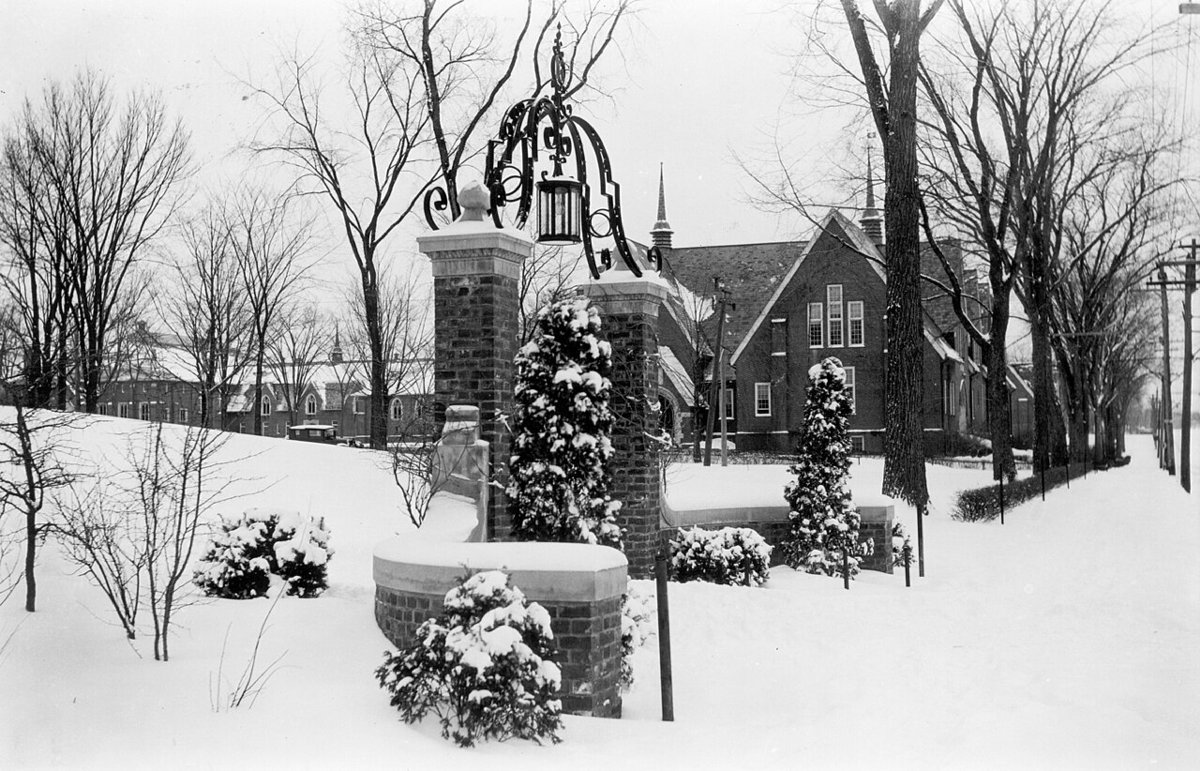
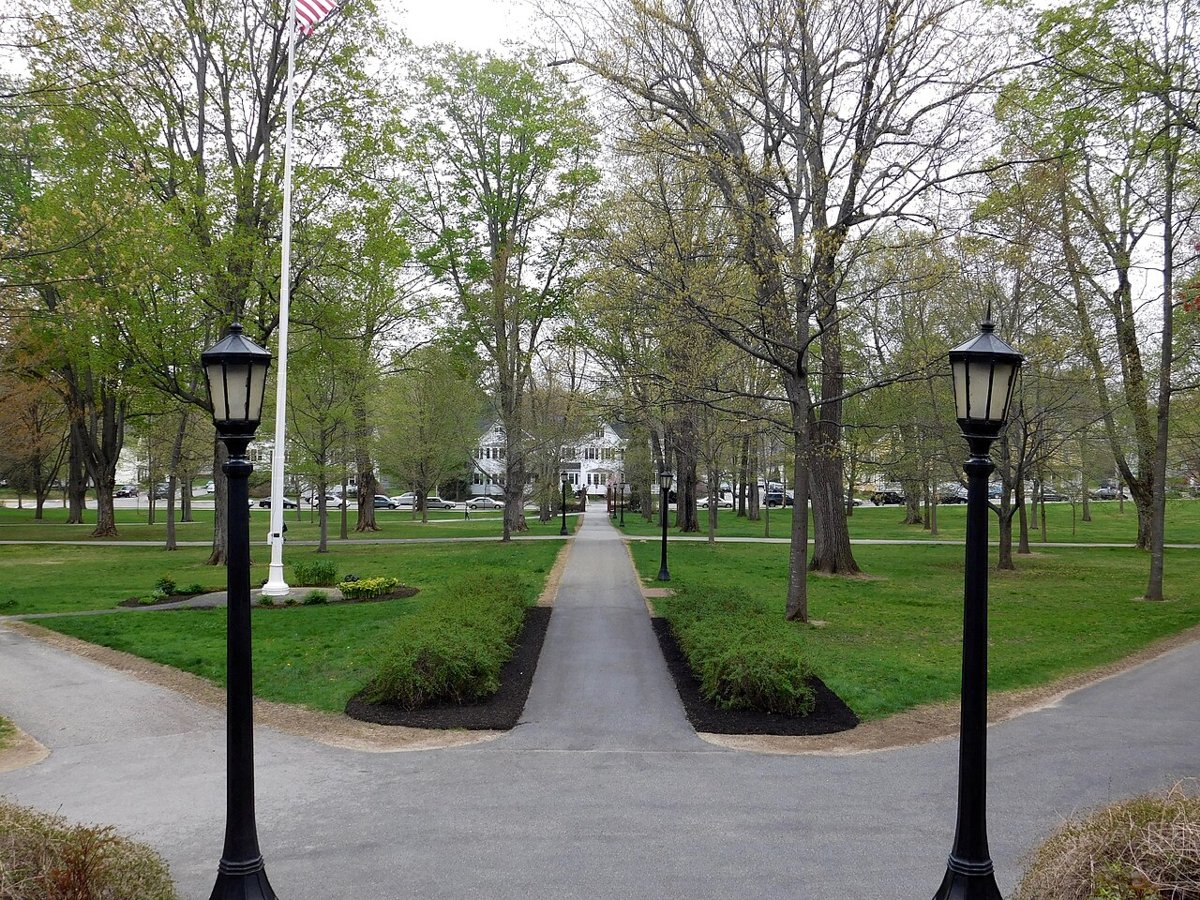
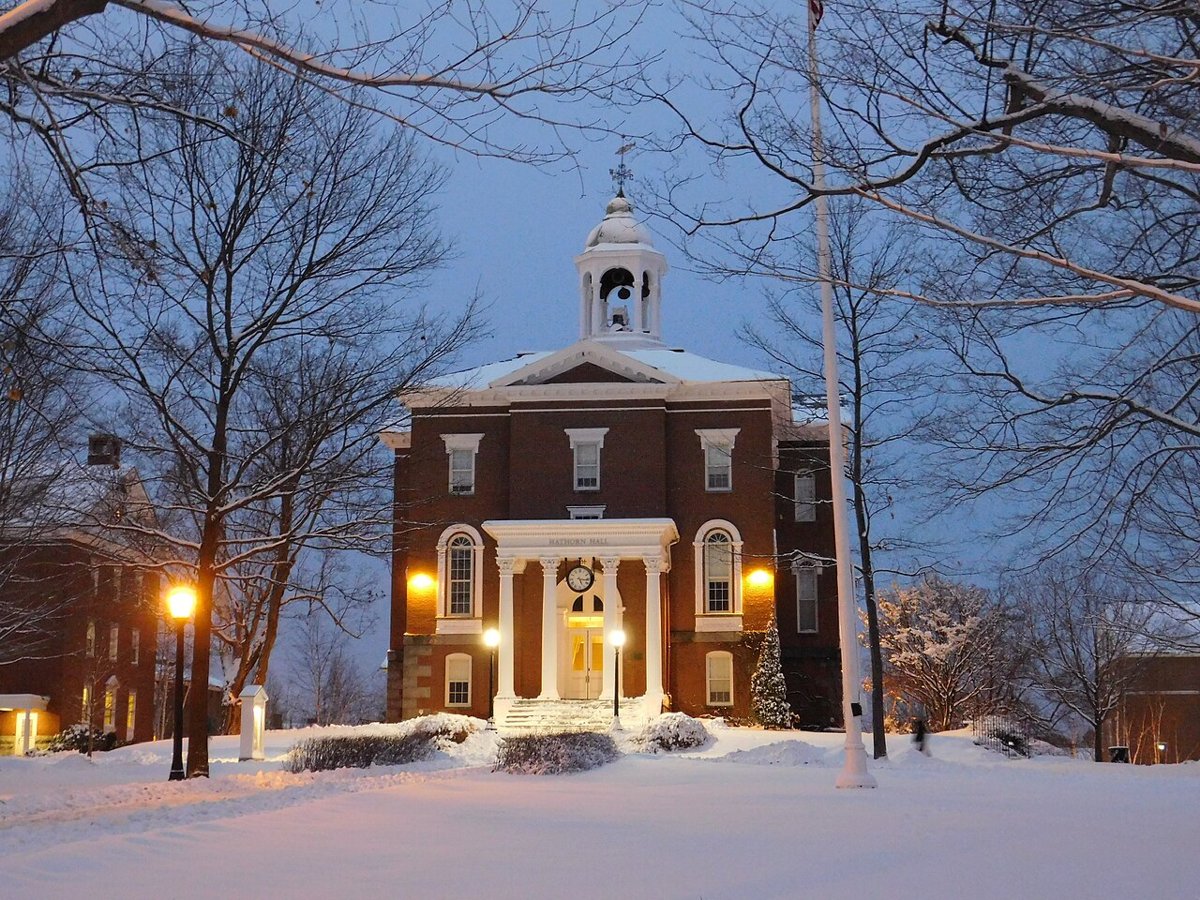
The 10:1 student-faculty ratio creates small seminars where professors know your name and academic interests. Students gather in Commons dining hall, debating everything from thesis topics to intramural games. With 700 athletes competing across 27 varsity sports, Bobcats games draw crowds despite the Division III level. The Four-One-Four calendar system gives students a short January term for internships or quirky courses like "Zombie Literature." Weekend activities revolve around outdoor adventures in nearby mountains, campus parties in residential houses, and study groups that often turn into late-night philosophical discussions. The 94.02% retention rate suggests students find their groove quickly.
- Setting
- City-Small
- Housing Capacity
- 1,737 beds
- Calendar System
- Four-One-Four
- Study Abroad
- Available
- Founded
- 1855
Campus Safety (2023)
38 total reported incidents. Source: Clery Act / U.S. Department of Education
| Offense | On Campus | Residential | Noncampus | Public Property |
|---|---|---|---|---|
| Rape | 6 | 5 | 0 | 0 |
| Fondling | 6 | 4 | 0 | 0 |
| Burglary | 3 | 3 | 0 | 0 |
| Dating Violence | 3 | 3 | 0 | 0 |
| Motor Vehicle Theft | 2 | 0 | 0 | 1 |
| Stalking | 2 | 0 | 0 | 0 |
Climate & Weather
- January Avg
- 8°–27°F
- July Avg
- 60°–79°F
- Annual Precipitation
- 45.1"
- Annual Snowfall
- 65.6"
Student Demographics
- Men
- 49.3%
- Women
- 50.7%
- White
- 61.4%
- Black
- 4.5%
- Hispanic
- 8.8%
- Asian
- 6.6%
- In-State Students
- 9.6%
- Pell Grant Recipients
- 10.2%
Location
- Address
- Lewiston, Maine 04240
After College
Source: College Scorecard / U.S. Department of Education
- Median Earnings (10 years)
- $69,498
- Median Earnings (5 years)
- $73,010
- Mean Earnings (6 years after entry)
- $46,000
- Loan Repayment Rate
- 87.7%
- Monthly Loan Payment
- $151/mo
- Median Debt at Graduation
- $14,275
Frequently Asked Questions
What is the acceptance rate at Bates College?
Bates College accepts just 13.74% of applicants, making it highly selective among liberal arts colleges. The school pioneered test-optional admissions in 1984, decades before it became mainstream. Students typically score around 1470 on the SAT when submitted.
How much does Bates College cost after financial aid?
The total cost of attendance reaches $82,282, but the average net price drops to $30,703 after aid. Students from families earning under $30,000 pay just $4,263 on average. Graduates leave with a median debt of only $14,275, well below national averages.
What is the student-faculty ratio at Bates College?
Classes are small with a 10:1 student-faculty ratio across the 1,753-student campus. The college operates on a unique Four-One-Four calendar system that includes an intensive January term. Students enjoy close mentorship in Bates' rigorous liberal arts curriculum.
What do Bates College graduates earn after college?
Alumni earn a median of $69,498 ten years after graduation, reflecting strong career outcomes. The employment rate reaches 96% for recent graduates. Notable alumni include former Secretary of State Edmund Muskie and TV journalist Bryant Gumbel.
Where is Bates College located and what is campus life like?
The campus sits in Lewiston, Maine, housing 1,737 students in residence halls. About 700 students compete in 27 varsity sports as Division III Bobcats. The retention rate of 94.02% suggests students love the tight-knit community atmosphere.
Does Bates College require standardized test scores for admission?
Bates was the first top liberal arts college to go test-optional in 1984, nearly 40 years ahead of the trend. Students can choose whether to submit SAT or ACT scores as part of their application. This policy reflects the college's belief that standardized tests don't tell the whole story about student potential.