About Berklee College of Music
The financial picture requires careful consideration. Students pay an average net price of $50,404 annually, pushing total costs near $71,000. Graduates earn a median of $33,647 ten years after graduation, which creates challenges for the $25,000 in typical student debt. Monthly loan payments average $265, consuming a significant portion of entry-level music industry salaries. Only 15% of students receive Pell Grants, suggesting many families stretch financially to afford Berklee.
The student body draws globally, with just 8% from Massachusetts. Men slightly outnumber women at 56% of enrollment. The 67% four-year graduation rate reflects the intensity of the program, while the 87% employment rate shows strong industry connections. Boston's music scene provides endless performance opportunities and networking potential.
Academics & Faculty
Source: College Scorecard / U.S. Department of Education
- Student-to-Faculty Ratio
- 10:1
- Full-Time Faculty
- 34.0%
- Graduation Rate (4-year)
- 67.5%
- Graduation Rate (6-year)
- 66.3%
- Retention Rate
- 85.4%
- Median Earnings (10 years)
- $33,647
- Carnegie Classification
- Master's University (Large)
Popular Programs by Earnings
| Program | Level | Median Earnings |
|---|---|---|
| Visual and Performing Arts, Other. | Master | $34,704 |
| Arts, Entertainment,and Media Management. | Bachelor | $31,914 |
| Teacher Education and Professional Development, Specific Subject Areas. | Bachelor | $29,685 |
| Music. | Master | $25,194 |
| Music. | Bachelor | $22,162 |
| Dance. | Bachelor | $21,964 |
| Visual and Performing Arts, Other. | Bachelor | $16,786 |
| Music. | Certificate | $16,478 |
Campus Life
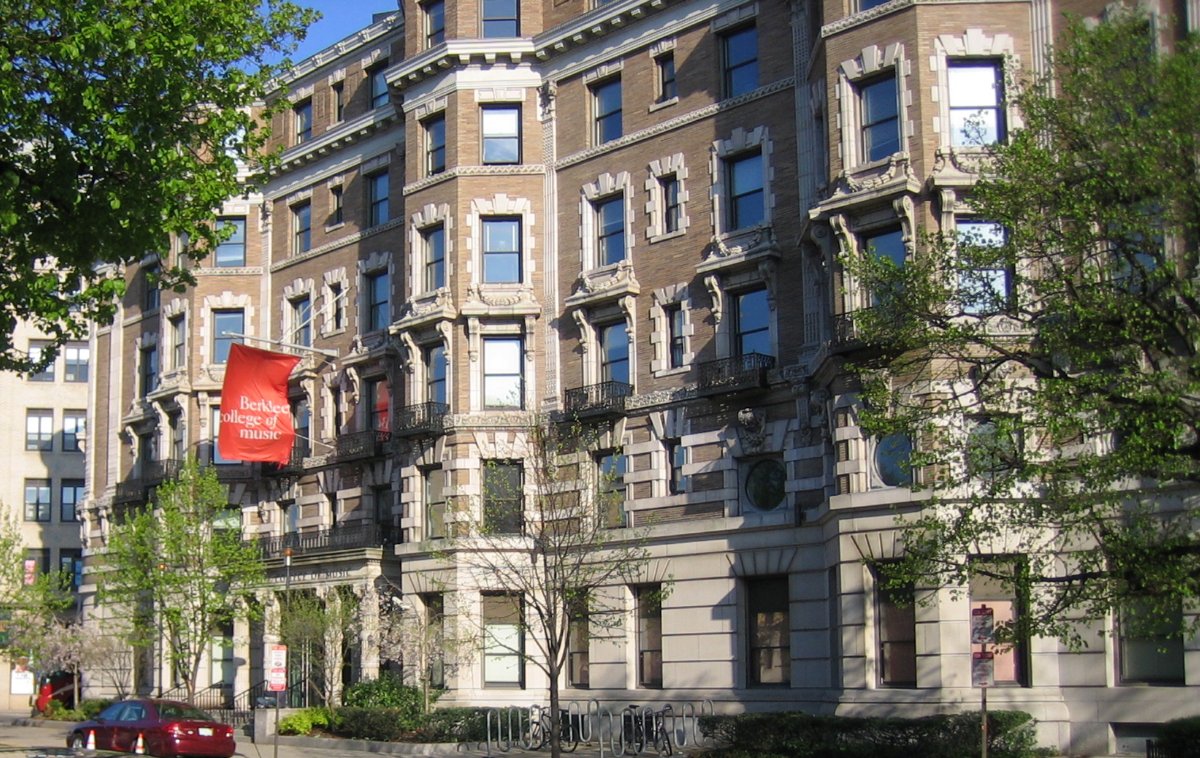
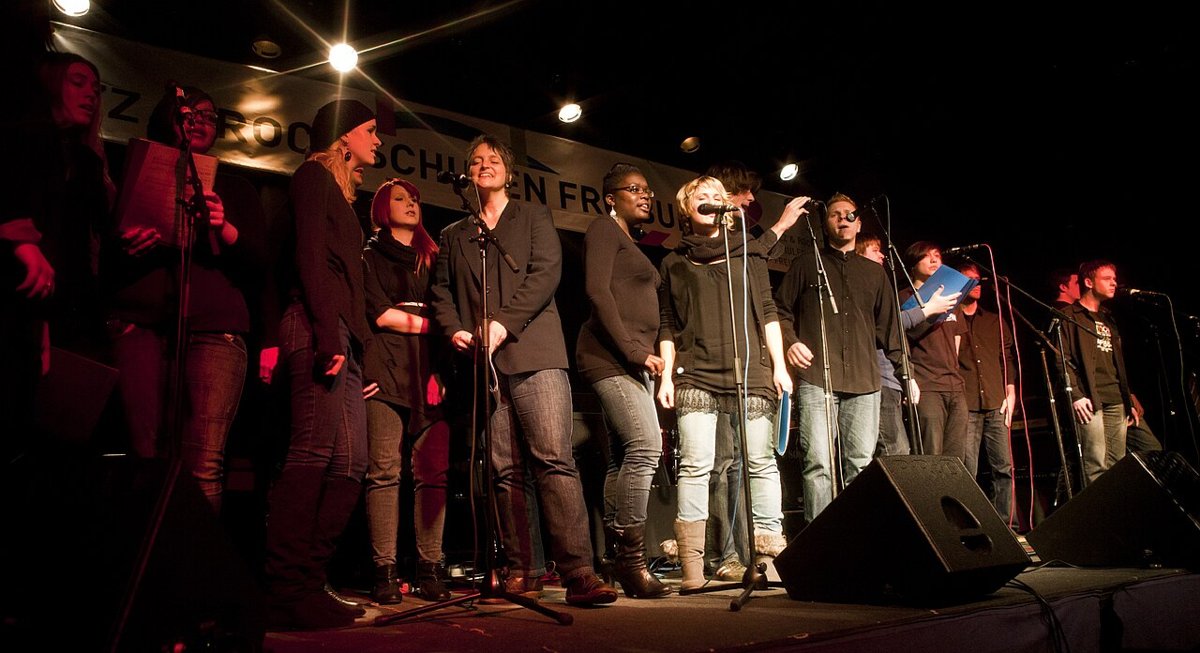
Students spend weekends gigging at local venues like The Middle East or Café 939, Berklee's own red-hot club space. The 10:1 student-faculty ratio means professors often invite students to professional recording sessions or concerts around the city. Jam sessions break out spontaneously in residence halls and practice rooms throughout the week. With 91.7% of students coming from out of state, the campus draws musicians from around the world who form tight-knit communities around shared musical interests. Students regularly collaborate across genres, with jazz pianists working alongside electronic producers and singer-songwriters teaming up with film composers.
- Setting
- City-Large
- Housing Capacity
- 1,519 beds
- Calendar System
- Semester
- Study Abroad
- Available
- Founded
- 1945
Campus Safety (2023)
46 total reported incidents. Source: Clery Act / U.S. Department of Education
| Offense | On Campus | Residential | Noncampus | Public Property |
|---|---|---|---|---|
| Aggravated Assault | 0 | 0 | 0 | 8 |
| Dating Violence | 6 | 1 | 0 | 1 |
| Stalking | 6 | 1 | 0 | 1 |
| Rape | 4 | 3 | 0 | 0 |
| Robbery | 0 | 0 | 0 | 7 |
| Fondling | 3 | 0 | 0 | 0 |
| Motor Vehicle Theft | 0 | 0 | 0 | 3 |
| Domestic Violence | 1 | 1 | 0 | 0 |
Climate & Weather
- January Avg
- 19°–37°F
- July Avg
- 64°–84°F
- Annual Precipitation
- 49.4"
- Annual Snowfall
- 49.2"
Student Demographics
- Men
- 55.9%
- Women
- 44.1%
- White
- 39.2%
- Black
- 6.0%
- Hispanic
- 12.7%
- Asian
- 5.8%
- In-State Students
- 8.3%
- Pell Grant Recipients
- 15.4%
Location
- Address
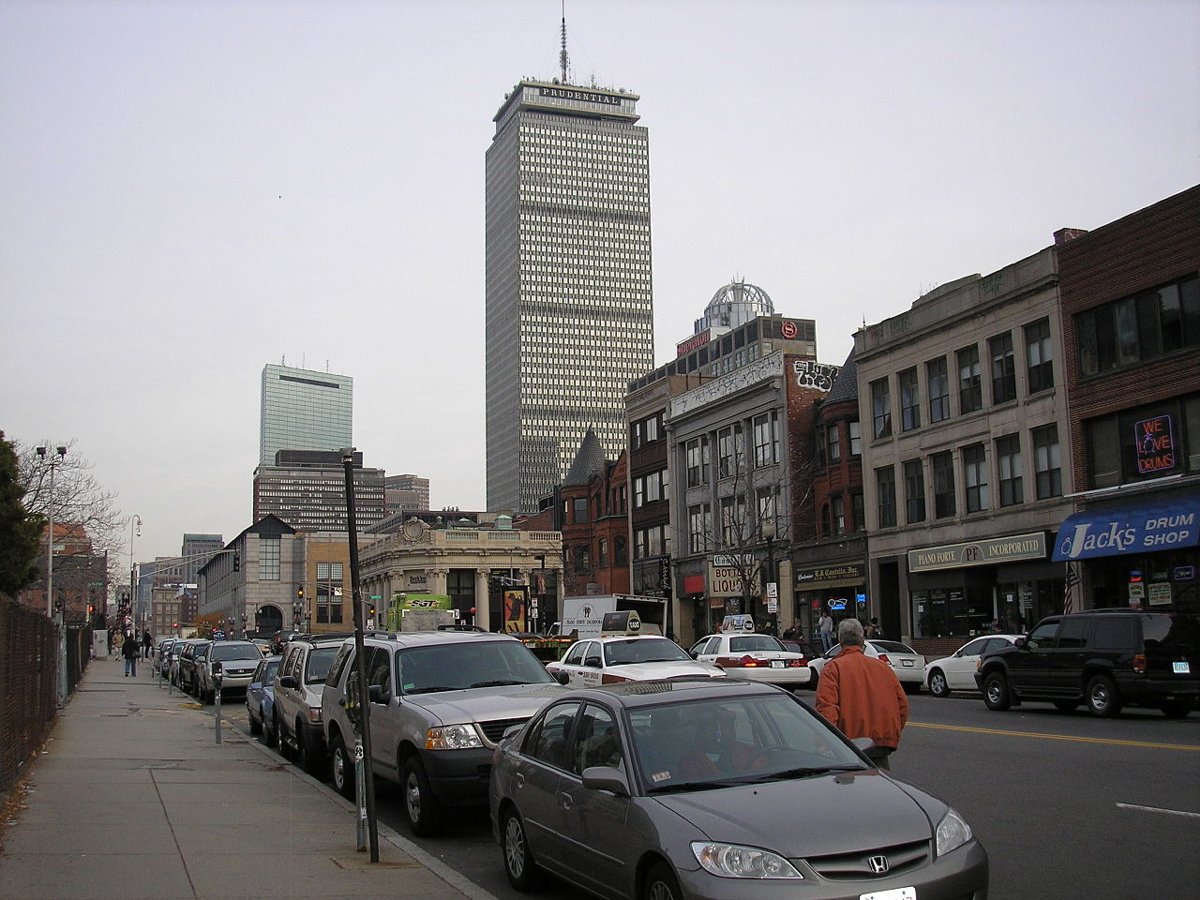
- Boston, Massachusetts 02215
After College
Source: College Scorecard / U.S. Department of Education
- Median Earnings (10 years)
- $33,647
- Median Earnings (5 years)
- $32,591
- Mean Earnings (6 years after entry)
- $25,700
- Loan Repayment Rate
- 65.1%
- Monthly Loan Payment
- $265/mo
- Median Debt at Graduation
- $25,000
Frequently Asked Questions
What is the acceptance rate at Berklee College of Music?
Berklee admits 54.23% of applicants, making it moderately selective for a specialized music conservatory. The school attracts students worldwide who want to study contemporary music rather than classical training.
How much does Berklee College of Music cost after financial aid?
The average net price is $50,404, with total attendance costs reaching $70,795 annually. Only 15.36% of students receive financial aid, reflecting the school's expensive but specialized music education focus.
What is the student-faculty ratio at Berklee College of Music?
Berklee maintains a 10:1 student-faculty ratio among its 7,510 students. This allows for intensive mentorship in performance, production, and songwriting that defines the school's hands-on approach to contemporary music education.
What are the career outcomes for Berklee College of Music graduates?
Graduates earn a median of $33,647 ten years after graduation, with an employment rate of 86.9%. The school has produced Grammy winners like John Mayer and legendary producers like Quincy Jones, though music industry careers often start with modest earnings.
Where do students live at Berklee College of Music?
Campus housing accommodates 1,519 students in Boston's active music scene. Room and board costs $19,440, placing students in the heart of a city known for its rich musical heritage and performance venues.
Does Berklee College of Music have a good graduation rate?
The four-year graduation rate is 67.45%, with 85.44% of students returning for their second year. These rates reflect the intensive, career-focused nature of contemporary music education where some students leave early for professional opportunities.