

About Boise State University
Students pay an average net price of $19,182 after financial aid, though families earning under $30,000 pay just $15,387. Graduates earn a median of $51,658 ten years after graduation, making the typical debt load of $20,500 manageable with monthly payments around $217. The investment pays off for most students, with a 95.9% employment rate showing strong job prospects.
The student body draws evenly from in-state and out-of-state, with 52.47% being Idaho residents. Women make up 56.37% of enrollment at this Mountain West Conference school. The 19:1 student-faculty ratio means larger classes are common, but the 77.86% retention rate suggests most students adapt well to campus life.
Academics & Faculty
Source: College Scorecard / U.S. Department of Education
- Student-to-Faculty Ratio
- 19:1
- Full-Time Faculty
- 57.0%
- Graduation Rate (4-year)
- 60.8%
- Graduation Rate (6-year)
- 61.9%
- Retention Rate
- 77.9%
- Median Earnings (10 years)
- $51,658
- Carnegie Classification
- Doctoral University (R2)
Popular Programs by Earnings
| Program | Level | Median Earnings |
|---|---|---|
| Computer Science. | Bachelor | $76,208 |
| Electrical, Electronics and Communications Engineering. | Bachelor | $75,047 |
| Business Administration, Management and Operations. | Master | $74,786 |
| Construction Management. | Bachelor | $72,274 |
| Registered Nursing, Nursing Administration, Nursing Research and Clinical Nursing. | Bachelor | $65,621 |
| Educational/Instructional Media Design. | Master | $63,600 |
| Allied Health Diagnostic, Intervention, and Treatment Professions. | Bachelor | $60,240 |
| Mechanical Engineering. | Bachelor | $60,025 |
| Accounting and Related Services. | Master | $59,417 |
| Educational Administration and Supervision. | Master | $58,673 |
Campus Life
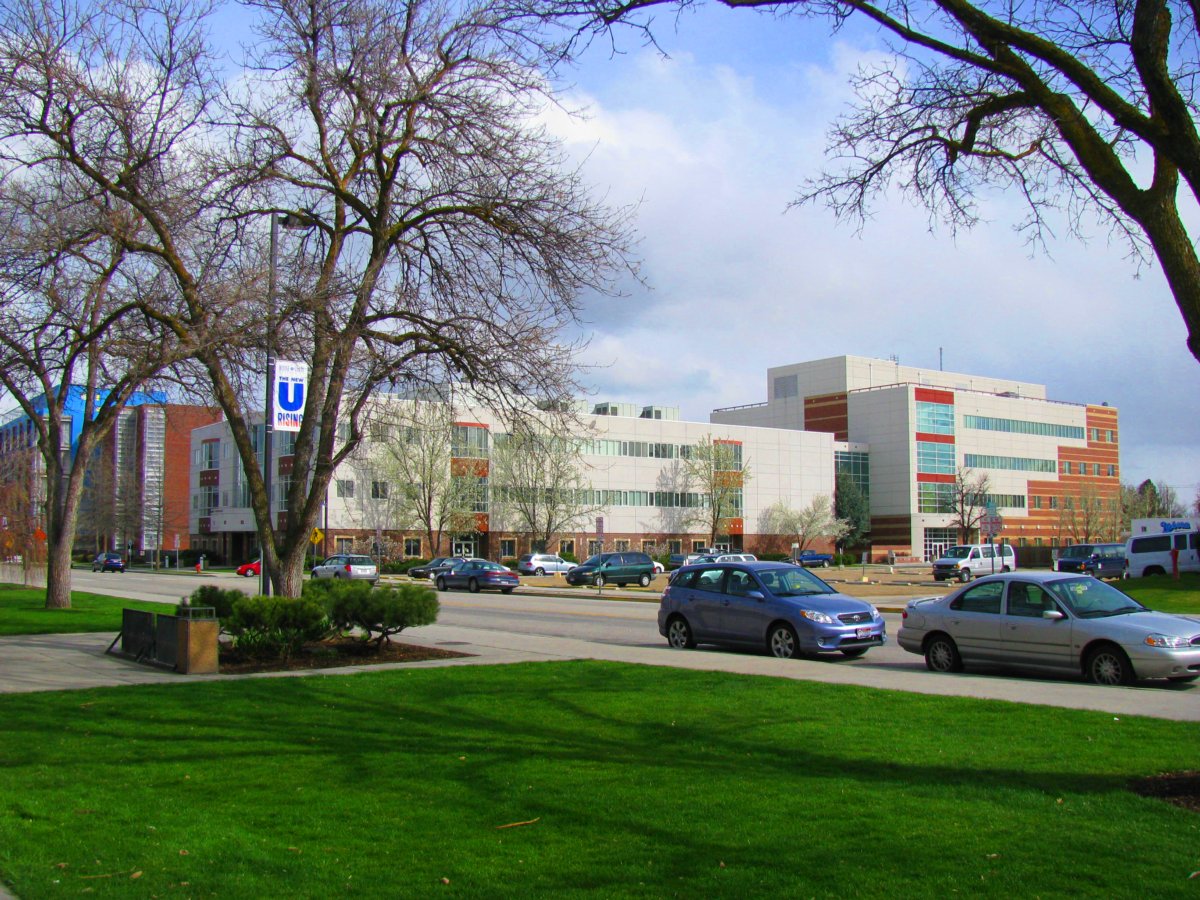
Football Saturdays transform the entire campus when 37,000 fans pack the stadium. The blue field tradition runs deep, with students camping out for tickets to big games. During the week, the 19:1 student-faculty ratio means smaller class discussions despite the university's size. Weekend options include hiking the nearby Boise Foothills, exploring downtown's growing arts district, or hitting the slopes at Bogus Basin ski area just 16 miles away. With 52% in-state students, many Broncos stick around after graduation since the median earnings of $51,658 go further in Idaho's lower cost-of-living market.
- Setting
- City-Midsize
- Housing Capacity
- 2,906 beds
- Calendar System
- Semester
- Study Abroad
- Available
- Founded
- 1932
Campus Safety (2023)
67 total reported incidents. Source: Clery Act / U.S. Department of Education
| Offense | On Campus | Residential | Noncampus | Public Property |
|---|---|---|---|---|
| Rape | 9 | 8 | 0 | 0 |
| Stalking | 10 | 3 | 0 | 0 |
| Domestic Violence | 4 | 3 | 0 | 3 |
| Motor Vehicle Theft | 8 | 0 | 0 | 1 |
| Aggravated Assault | 2 | 0 | 0 | 5 |
| Fondling | 4 | 3 | 0 | 0 |
| Arson | 2 | 0 | 0 | 0 |
| Burglary | 0 | 0 | 1 | 0 |
| Robbery | 0 | 0 | 0 | 1 |
Climate & Weather
- January Avg
- 25°–38°F
- July Avg
- 61°–92°F
- Annual Precipitation
- 11.5"
- Annual Snowfall
- 17.6"
Student Demographics
- Men
- 43.6%
- Women
- 56.4%
- White
- 70.8%
- Black
- 1.8%
- Hispanic
- 15.2%
- Asian
- 2.8%
- In-State Students
- 52.5%
- Pell Grant Recipients
- 17.9%
Location
- Address
- Boise, Idaho 83725
After College
Source: College Scorecard / U.S. Department of Education
- Median Earnings (10 years)
- $51,658
- Median Earnings (5 years)
- $59,573
- Mean Earnings (6 years after entry)
- $35,600
- Loan Repayment Rate
- 54.1%
- Monthly Loan Payment
- $217/mo
- Median Debt at Graduation
- $20,500
Frequently Asked Questions
What is the acceptance rate at Boise State University?
Boise State University accepts 83.93% of applicants, making it accessible to most students who meet basic requirements. The university draws students primarily from Idaho and surrounding western states, with 52.47% coming from in-state.
How much does Boise State University cost after financial aid?
Students pay an average net price of $19,182 after aid, though costs vary by family income. Students from families earning under $30,000 pay just $15,387 on average, while those from higher-income families pay around $22,767.
What is the student-faculty ratio at Boise State University?
Boise State maintains a 19:1 student-faculty ratio across its 17,081 students. As a public research university, the school balances accessible education with faculty research, though class sizes tend to be larger than at smaller colleges.
What do Boise State University graduates earn after college?
Graduates earn a median salary of $51,658 ten years after graduation, with a strong employment rate of 95.9%. The university's location in Idaho's capital provides access to government jobs, tech companies, and regional businesses.
Where do students live at Boise State University?
Campus housing accommodates 2,906 students, representing a fraction of the total enrollment of 17,081. Most students live off-campus in Boise, taking advantage of the city's affordable housing and urban amenities.
What is Boise State University known for in athletics?
Boise State is famous for its blue Smurf Turf football field and major bowl game victories as a Division I program. The Broncos compete in the Mountain West Conference across 14 varsity sports, with 381 total athletes receiving $10,990,345 in athletic scholarships.
Similar Schools

Western Michigan University
Kalamazoo, Michigan
University of North Dakota
Grand Forks, North Dakota
Sam Houston State University
Huntsville, Texas

Eastern Michigan University
Ypsilanti, Michigan

University of Colorado Colorado Springs
Colorado Springs, Colorado

Indiana University-Indianapolis
Indianapolis, Indiana