About Bryn Mawr College
The sticker price hits $82,250, but most families pay far less after aid. Students from families earning under $30,000 pay just $3,323 on average. Even middle-class families earning $75,000-$110,000 typically pay $25,044. Graduates earn a median of $75,217 ten years out, making the typical debt load of $25,000 manageable with monthly payments around $265. The 91.7% employment rate shows employers value a Bryn Mawr degree.
This is one of the last remaining women's colleges, creating a unique environment where female voices dominate every classroom and leadership role. The 8:1 student-faculty ratio means professors know your name and your potential. Nearly 90% of students return for sophomore year, suggesting they find what they're looking for in this demanding academic community.
Academics & Faculty
Source: College Scorecard / U.S. Department of Education
- Student-to-Faculty Ratio
- 8:1
- Full-Time Faculty
- 84.2%
- Graduation Rate (4-year)
- 84.0%
- Graduation Rate (6-year)
- 85.6%
- Retention Rate
- 89.7%
- Median Earnings (10 years)
- $75,217
- Carnegie Classification
- Liberal Arts College
Popular Programs by Earnings
| Program | Level | Median Earnings |
|---|---|---|
| Social Work. | Master | $48,579 |
| English Language and Literature, General. | Bachelor | $24,035 |
| Anthropology. | Bachelor | $22,667 |
| Liberal Arts and Sciences, General Studies and Humanities. | Bachelor | $19,162 |
Campus Life
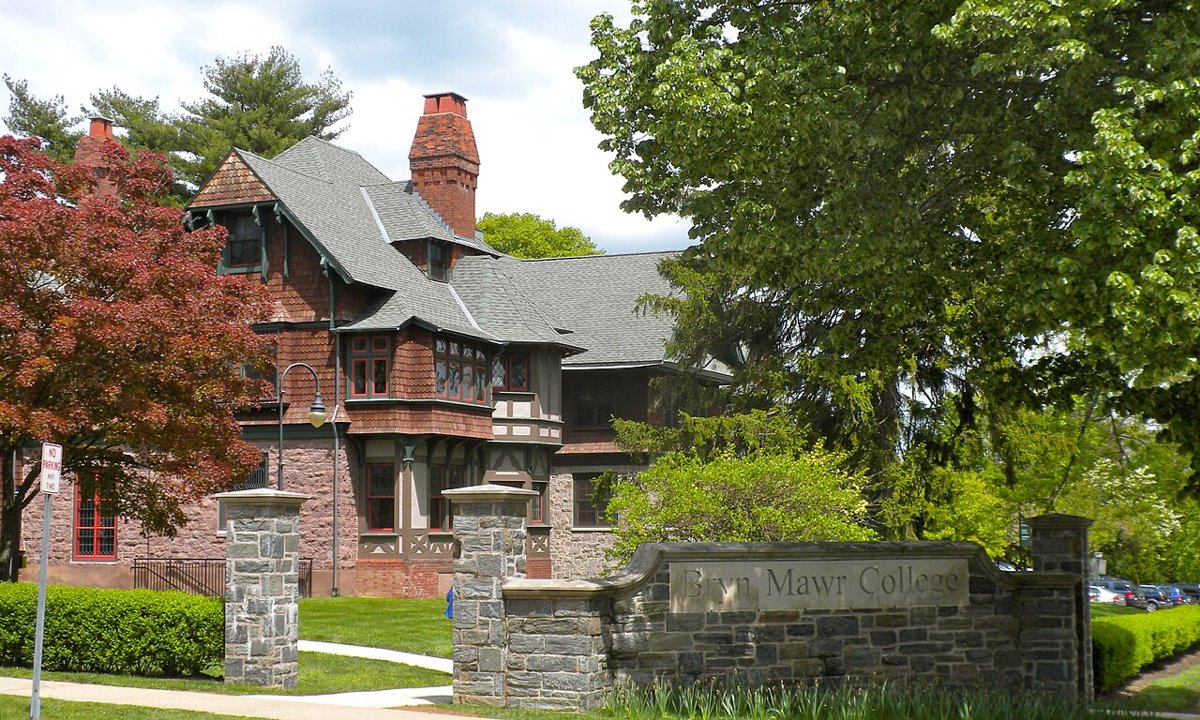
With an 8:1 student-faculty ratio, professors know your name and academic interests personally. Weekend traditions include Sunday brunch debates that can stretch for hours and Thursday night parties at neighboring Haverford College, accessible via the Blue Bus shuttle. The Bi-College partnership doubles your course options and social circle. Students often take the regional rail into Philadelphia for internships, museum visits, and city adventures. Campus life revolves around close-knit residence halls where first-years participate in elaborate traditions during orientation week. The combination of intellectual intensity and collaborative spirit creates lifelong friendships among the all-women student body.
- Setting
- Suburb-Large
- Housing Capacity
- 1,279 beds
- Calendar System
- Semester
- Study Abroad
- Available
- Founded
- 1885
Campus Safety (2023)
16 total reported incidents. Source: Clery Act / U.S. Department of Education
| Offense | On Campus | Residential | Noncampus | Public Property |
|---|---|---|---|---|
| Fondling | 3 | 3 | 0 | 0 |
| Dating Violence | 2 | 2 | 0 | 0 |
| Burglary | 1 | 1 | 0 | 0 |
| Rape | 1 | 1 | 0 | 0 |
| Stalking | 1 | 1 | 0 | 0 |
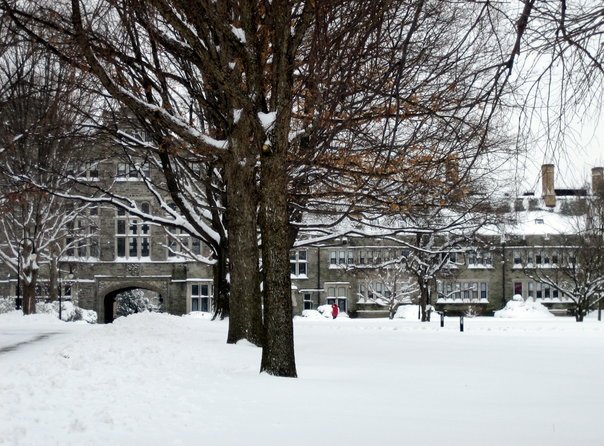
Climate & Weather
- January Avg
- 22°–41°F
- July Avg
- 66°–88°F
- Annual Precipitation
- 50.7"
- Annual Snowfall
- 25.3"
Student Demographics
- Men
- 0.0%
- Women
- 100.0%
- White
- 50.2%
- Black
- 5.1%
- Hispanic
- 10.2%
- Asian
- 11.4%
- In-State Students
- 11.1%
- Pell Grant Recipients
- 14.3%
Location
- Address
- Bryn Mawr, Pennsylvania 19010
After College
Source: College Scorecard / U.S. Department of Education
- Median Earnings (10 years)
- $75,217
- Median Earnings (5 years)
- $57,709
- Mean Earnings (6 years after entry)
- $41,900
- Loan Repayment Rate
- 79.1%
- Monthly Loan Payment
- $265/mo
- Median Debt at Graduation
- $25,000
Frequently Asked Questions
What is the acceptance rate at Bryn Mawr College?
Bryn Mawr College admits 30.75% of applicants, reflecting its status as a highly selective institution. The admitted students typically score between 1280-1495 on the SAT, with the college maintaining its reputation for academic excellence among women's colleges.
How much does Bryn Mawr College cost after financial aid?
The average net price at Bryn Mawr College is $40,690, lower than the full cost of attendance of $82,250. Students from families earning under $30,000 pay just $3,323 on average, demonstrating the college's commitment to making top education accessible.
What is the student-faculty ratio at Bryn Mawr College?
Bryn Mawr College maintains an 8:1 student-faculty ratio with only 1,346 students enrolled. This intimate academic environment supports the college's tradition of rigorous scholarship and close mentoring relationships that have produced notable alumnae like Katharine Hepburn and former Harvard president Drew Gilpin Faust.
What do graduates of Bryn Mawr College earn after graduation?
Bryn Mawr College graduates earn a median salary of $75,217 ten years after graduation, with an employment rate of 91.7%. The strong earning potential reflects the value of the college's liberal arts education and its network of accomplished alumnae across various fields.
Where do students live at Bryn Mawr College?
Bryn Mawr College houses 1,279 students on its suburban campus near Philadelphia, with room and board costing $18,690. The residential experience is central to the college's community culture, where students live under the famous honor code that governs both academic and social life.
Is Bryn Mawr College a women's college?
Bryn Mawr College enrolls 100% women, maintaining its founding mission as a women's college since 1885. As one of the remaining top women's colleges, it continues the tradition of helping women in leadership and scholarship that has produced presidents, poets, and pioneering scientists.