About Central Oregon Community College
Students pay an average net price of $10,765, which drops to just $7,752 for families earning under $30,000. Graduates earn a median of $38,940 ten years after starting, with typical debt loads of only $12,000. The monthly loan payment averages $127, making this education affordable for most families. However, the 24.60% graduation rate within six years means many students either transfer before completing their degree or take longer to finish.
The campus houses just 320 students in dorms, so most live off-campus in Bend's expensive rental market. About 92.1% of graduates find employment, and the quarter system lets students move through coursework quickly. For students wanting a mountain town college experience without university costs, COCC offers solid career training with access to strong outdoor recreation right outside the classroom.
Academics & Faculty
Source: College Scorecard / U.S. Department of Education
- Student-to-Faculty Ratio
- 16:1
- Full-Time Faculty
- 44.2%
- Graduation Rate (6-year)
- 24.6%
- Median Earnings (10 years)
- $38,940
Popular Programs by Earnings
| Program | Level | Median Earnings |
|---|---|---|
| Registered Nursing, Nursing Administration, Nursing Research and Clinical Nursing. | Associate | $65,238 |
| Allied Health Diagnostic, Intervention, and Treatment Professions. | Associate | $47,260 |
| Health and Medical Administrative Services. | Associate | $38,289 |
| Accounting and Related Services. | Associate | $38,289 |
| Industrial Production Technologies/Technicians. | Associate | $35,060 |
| Allied Health and Medical Assisting Services. | Certificate | $33,993 |
| Dental Support Services and Allied Professions. | Certificate | $32,467 |
| Criminal Justice and Corrections. | Associate | $30,771 |
| Veterinary/Animal Health Technologies/Technicians. | Associate | $28,960 |
| Liberal Arts and Sciences, General Studies and Humanities. | Associate | $27,947 |
Campus Life
Weekend life revolves around Bend's outdoor scene rather than traditional college parties. Students hit the slopes at Mt. Bachelor in winter or explore the dozens of hiking trails and rock climbing spots in summer. The Deschutes River runs right through town, offering rafting and fishing. Many students work part-time jobs in Bend's growing tourism industry, which explains the 92.1% employment rate. The quarter system keeps classes moving quickly, and the 16:1 student-faculty ratio means professors actually know your name in this mountain town setting.
- Setting
- City-Midsize
- Housing Capacity
- 320 beds
- Calendar System
- Quarter
- Study Abroad
- Available
- Founded
- 1949
Campus Safety (2023)
6 total reported incidents. Source: Clery Act / U.S. Department of Education
| Offense | On Campus | Residential | Noncampus | Public Property |
|---|---|---|---|---|
| Fondling | 2 | 2 | 0 | 0 |
| Aggravated Assault | 1 | 0 | 0 | 0 |
| Rape | 1 | 0 | 0 | 0 |
Climate & Weather
- January Avg
- 24°–42°F
- July Avg
- 48°–83°F
- Annual Precipitation
- 10.6"
- Annual Snowfall
- 21.6"
Student Demographics
- Men
- 46.2%
- Women
- 53.8%
- White
- 67.7%
- Black
- 1.0%
- Hispanic
- 14.8%
- Asian
- 1.6%
- In-State Students
- 88.9%
- Pell Grant Recipients
- 24.2%
Location
- Address
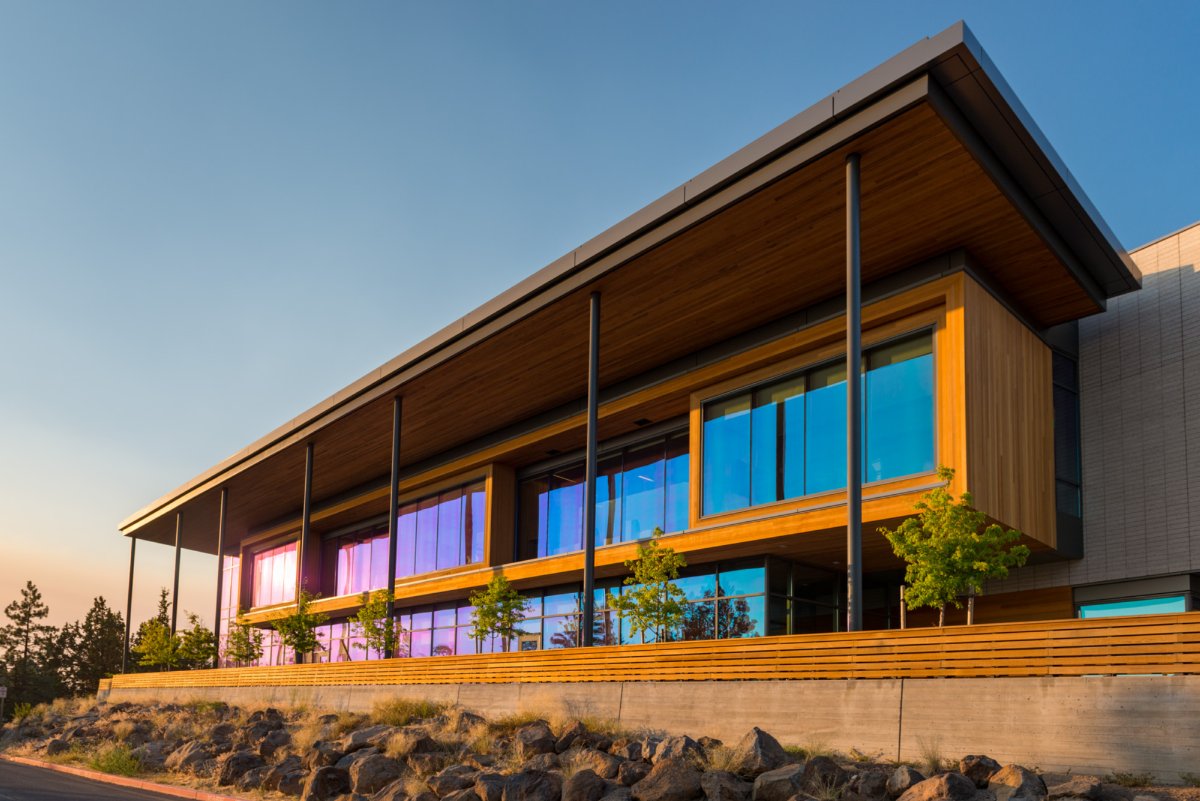
- Bend, Oregon 97703
After College
Source: College Scorecard / U.S. Department of Education
- Median Earnings (10 years)
- $38,940
- Median Earnings (5 years)
- $47,447
- Mean Earnings (6 years after entry)
- $28,500
- Loan Repayment Rate
- 32.4%
- Monthly Loan Payment
- $127/mo
- Median Debt at Graduation
- $12,000
Frequently Asked Questions
What are the admission requirements at Central Oregon Community College?
Central Oregon Community College maintains an open enrollment policy typical of community colleges, welcoming students regardless of previous academic performance. The college serves 3,577 students with 88.94% coming from within Oregon. This accessibility makes it a popular choice for career changers and students seeking affordable higher education in the Pacific Northwest.
How much does Central Oregon Community College cost after financial aid?
Students pay an average net price of $10,765 annually at Central Oregon Community College. In-state tuition runs $4,941 while out-of-state students pay $13,185. The college keeps costs manageable with relatively low median debt of $12,000 and monthly loan payments averaging just $127.
What is the student-faculty ratio at Central Oregon Community College?
Central Oregon Community College maintains a 16:1 student-faculty ratio, allowing for more personalized attention than many larger institutions. The college operates on a quarter system, which provides flexibility for working adults and career-focused students. This structure supports the college's mission of serving the diverse educational needs of central Oregon's mountain communities.
What are the job prospects for Central Oregon Community College graduates?
Graduates achieve a 92.1% employment rate, reflecting strong connections with local employers in Bend's growing economy. However, the 6-year graduation rate sits at 24.60%, typical for community colleges where many students attend part-time or transfer before completing programs. Median earnings reach $38,940 ten years after enrollment, competitive for the region's cost of living.
Does Central Oregon Community College offer on-campus housing?
The college provides housing for 320 students at $12,841 annually for room and board. Campus life centers around outdoor recreation opportunities that match Bend's reputation as an adventure sports center. The Bobcats compete in various sports, though many students are drawn more to the area's skiing, hiking, and mountain biking than traditional college athletics.
What makes Central Oregon Community College unique compared to other community colleges?
Central Oregon Community College serves as the educational gateway to one of Oregon's fastest-growing regions, with Bend attracting tech workers and outdoor enthusiasts. Only 24.16% of students receive Pell Grants, lower than many community colleges, reflecting the area's relatively affluent population. The college has adapted its programs to serve both traditional students and the influx of professionals seeking career changes in this mountain resort town.