About Chesapeake College
Students pay an average net price of $4,178 after aid, making this one of the more affordable college options in Maryland. In-state tuition starts at $4,010, though only 26.64% of students receive federal Pell Grants. Graduates earn a median of $36,301 ten years after starting college. The employment rate reaches 92.7%, suggesting strong job placement despite the relatively low 21.20% six-year graduation rate.
Women make up 65.02% of the student body, typical for community colleges nationwide. The campus serves a predominantly white student population at 67.45%, with 12% Black and 9.49% Hispanic students. Athletic scholarships total $46,489 across all sports, with 84 student-athletes representing the Skipjacks in NCCAA competition.
Academics & Faculty
Source: College Scorecard / U.S. Department of Education
- Student-to-Faculty Ratio
- 14:1
- Full-Time Faculty
- 38.4%
- Graduation Rate (6-year)
- 21.2%
- Median Earnings (10 years)
- $36,301
Popular Programs by Earnings
| Program | Level | Median Earnings |
|---|---|---|
| Registered Nursing, Nursing Administration, Nursing Research and Clinical Nursing. | Certificate | $58,334 |
| Registered Nursing, Nursing Administration, Nursing Research and Clinical Nursing. | Associate | $53,775 |
| Liberal Arts and Sciences, General Studies and Humanities. | Certificate | $22,989 |
Campus Life
The campus buzzes during weekdays but quiets on weekends as most students head home or work local jobs. The 14:1 student-faculty ratio creates smaller classes where professors know your name. The Skipjacks compete in five varsity sports with just 84 total athletes, making teams accessible for walk-ons. Students often gather between classes in common areas, but social life largely happens off-campus in nearby Easton or at the waterfront. The rural setting means outdoor activities like fishing and boating are popular. Many students juggle coursework with part-time jobs, preparing for transfer to four-year schools or entering the workforce directly.
- Setting
- Rural-Distant
- Calendar System
- Semester
Campus Safety (2023)
1 total reported incident. Source: Clery Act / U.S. Department of Education
| Offense | On Campus | Residential | Noncampus | Public Property |
|---|---|---|---|---|
| Burglary | 1 | 0 | 0 | 0 |
Climate & Weather
- January Avg
- 28°–42°F
- July Avg
- 71°–87°F
- Annual Precipitation
- 46.9"
- Annual Snowfall
- 14.1"
Student Demographics
- Men
- 35.0%
- Women
- 65.0%
- White
- 67.5%
- Black
- 12.0%
- Hispanic
- 9.5%
- Asian
- 1.7%
- In-State Students
- 96.2%
- Pell Grant Recipients
- 26.6%
Location
- Address
- Wye Mills, Maryland 21679-0008
After College
Source: College Scorecard / U.S. Department of Education
- Median Earnings (10 years)
- $36,301
- Median Earnings (5 years)
- $48,608
- Mean Earnings (6 years after entry)
- $26,700
Frequently Asked Questions
How competitive is admission to Chesapeake College?
Community colleges like Chesapeake typically maintain open admission policies for students with high school diplomas or GEDs. The school serves 1,275 students primarily from Maryland's Eastern Shore region. About 96% of students come from in-state, reflecting the college's role as a local access point for higher education.
What does Chesapeake College cost after financial aid?
Students pay an average net price of $4,178 after aid, making it one of the most affordable options in Maryland. In-state tuition runs $4,010 while out-of-state students pay $8,504. About 27% of students receive Pell Grants, and low-income families often pay just $3,527 after federal aid.
What is the student-faculty ratio at Chesapeake College?
Classes average 14 students per faculty member, providing more personal attention than many larger institutions. The college operates on a semester system and focuses on career-oriented programs and transfer preparation. Small class sizes help students build relationships with professors in this rural Maryland setting.
What are employment outcomes like for Chesapeake College graduates?
Graduates achieve a 92.7% employment rate, though the 6-year graduation rate sits at 21%. Alumni earn a median of $36,301 ten years after enrollment, reflecting the college's focus on practical workforce training. The relatively low graduation rate is typical for community colleges where many students attend part-time or transfer before completing degrees.
Where is Chesapeake College located and what is campus life like?
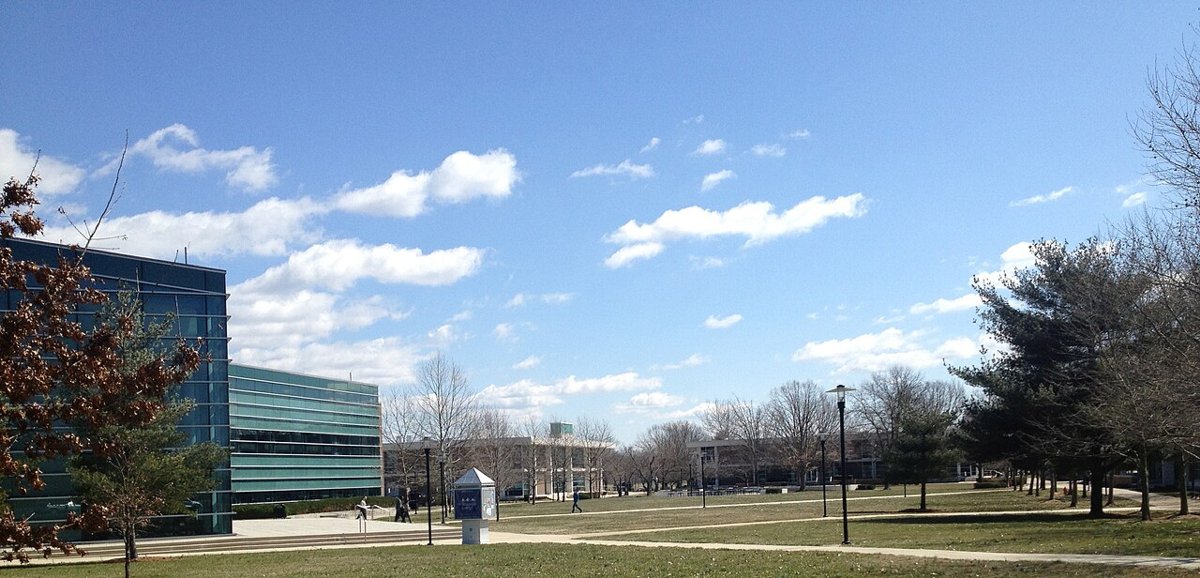
The campus sits in rural Wye Mills on Maryland's Eastern Shore, surrounded by farmland and waterways. Women make up 65% of the student body while men represent 35%. The Skipjacks compete in five varsity sports through the NCCAA with 84 total athletes receiving $46,489 in athletic scholarships.
What makes Chesapeake College unique among Maryland community colleges?
The college serves one of Maryland's most rural regions, with deep ties to the Chesapeake Bay's maritime heritage reflected in their Skipjacks nickname. Students come from a 67% white, 12% Black, and 9% Hispanic population. The rural-distant setting offers a quieter alternative to urban community colleges while maintaining strong workforce connections to the region's agriculture and marine industries.