About Citrus College
Students pay an average net price of $3,800 after financial aid, making it one of the most affordable college options in California. Low-income families pay even less, with those earning under $30,000 paying just $2,561 annually. Graduates earn a median of $42,065 ten years after starting, while carrying modest debt of $7,851. Only 1.2% of students take federal loans, reflecting the college's affordability and many students' ability to pay as they go.
The student body reflects the diverse San Gabriel Valley, with 66% Hispanic students making up the largest group. The Owls compete in 16 varsity sports with 323 total athletes, though the program offers no athletic scholarships. With a 24:1 student-faculty ratio, classes tend to be larger than at four-year schools, but the transfer-focused mission keeps students moving toward their bachelor's degree goals.
Academics & Faculty
Source: College Scorecard / U.S. Department of Education
- Student-to-Faculty Ratio
- 24:1
- Full-Time Faculty
- 37.2%
- Graduation Rate (6-year)
- 44.4%
- Median Earnings (10 years)
- $42,065
Popular Programs by Earnings
| Program | Level | Median Earnings |
|---|---|---|
| Registered Nursing, Nursing Administration, Nursing Research and Clinical Nursing. | Associate | $74,576 |
| Criminal Justice and Corrections. | Associate | $29,685 |
| Business/Commerce, General. | Associate | $21,508 |
| Cosmetology and Related Personal Grooming Services. | Certificate | $9,286 |
Campus Life
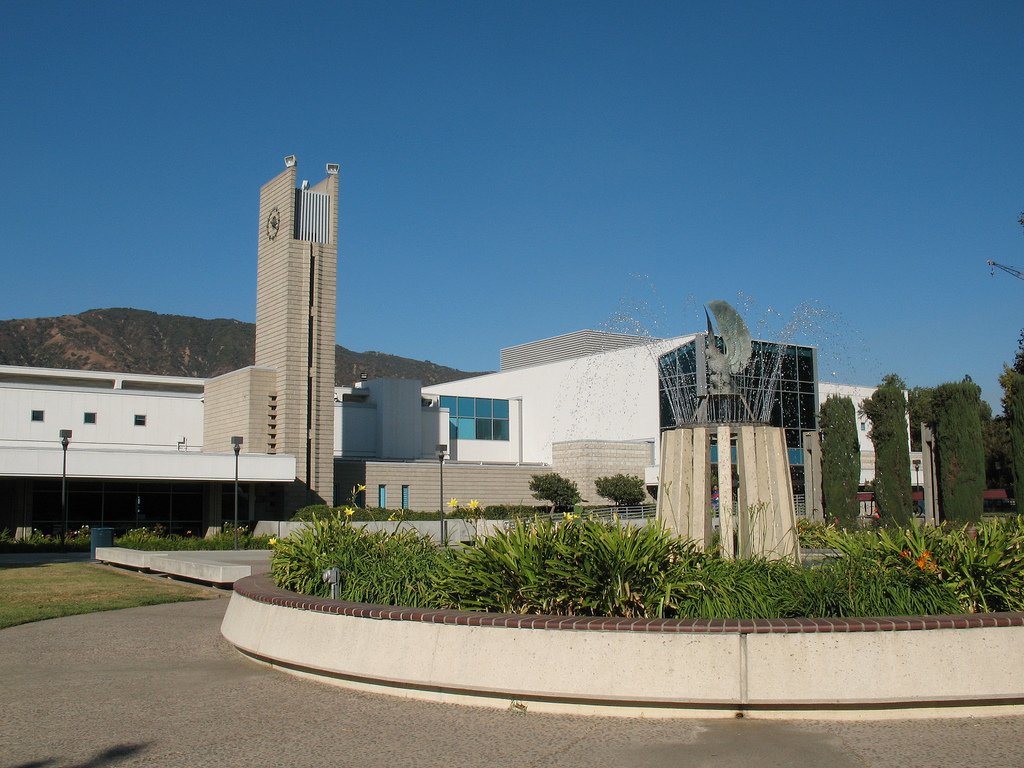
The 104-acre campus sits in suburban Glendora, surrounded by strip malls and chain restaurants that serve the 97% in-state student body. With a 24:1 student-to-faculty ratio, expect larger lecture halls for general education courses. Many of the 66% Hispanic student population work part-time jobs while taking classes. Weekends revolve around family time, work shifts, and studying at home rather than campus activities.
The Owls compete in 16 varsity sports with 323 total athletes, though athletic scholarships total $0. Students often transfer to nearby Cal Poly Pomona or UCLA after completing their associate degrees. The $3,800 average net price makes this an affordable stepping stone to four-year universities throughout California's public system.
- Setting
- Suburb-Large
- Calendar System
- Semester
- Study Abroad
- Available
- Founded
- 1915
Campus Safety (2023)
3 total reported incidents. Source: Clery Act / U.S. Department of Education
| Offense | On Campus | Residential | Noncampus | Public Property |
|---|---|---|---|---|
| Arson | 1 | 0 | 0 | 1 |
| Burglary | 1 | 0 | 0 | 0 |
Climate & Weather
- January Avg
- 43°–67°F
- July Avg
- 62°–90°F
- Annual Precipitation
- 14.5"
- Annual Snowfall
- 0.0"
Student Demographics
- Men
- 45.5%
- Women
- 54.6%
- White
- 15.1%
- Black
- 3.5%
- Hispanic
- 66.1%
- Asian
- 8.2%
- In-State Students
- 97.1%
- Pell Grant Recipients
- 29.0%
Location
- Address
- Glendora, California 91741-1899
After College
Source: College Scorecard / U.S. Department of Education
- Median Earnings (10 years)
- $42,065
- Median Earnings (5 years)
- $42,405
- Mean Earnings (6 years after entry)
- $26,600
- Loan Repayment Rate
- 28.7%
- Monthly Loan Payment
- $83/mo
- Median Debt at Graduation
- $7,851
Frequently Asked Questions
What are the admission requirements at Citrus College?
Citrus College maintains an open enrollment policy typical of California community colleges. With 8,126 students enrolled, the college welcomes anyone with a high school diploma or equivalent. The school serves as a popular stepping stone for students planning to transfer to four-year universities in the UC and CSU systems.
How much does Citrus College cost after financial aid?
Students pay an average net price of $3,800 annually after aid is applied. In-state tuition starts at just $1,204, while families earning under $30,000 typically pay only $2,561 net. About 29% of students receive Pell Grants, making this one of the most affordable college options in the San Gabriel Valley.
What is the student-faculty ratio at Citrus College?
Classes average 24 students per faculty member, which is standard for community colleges but larger than most four-year institutions. The college operates on a semester system and focuses heavily on transfer preparation. Students benefit from small-school attention while accessing comprehensive academic programs designed for university transfer.
What do graduates from Citrus College typically earn?
Alumni earn a median salary of $42,065 ten years after enrollment. The 44% six-year completion rate reflects the college's role as a transfer institution where many students move on before graduating. Those who do complete programs graduate with relatively low debt, averaging just $7,851.
Where is Citrus College located and what is the campus like?
The campus sits in Glendora, a large suburban community in the San Gabriel Valley east of Los Angeles. With 97% of the 8,126 students coming from California, the college serves as a local center for the diverse surrounding communities. The student body is 66% Hispanic and 54% female, reflecting the demographics of the region.
Does Citrus College offer athletic programs?
The Owls compete in 16 varsity sports with 323 total student-athletes participating. Founded in 1915, the college has a long tradition of athletics but offers no athletic scholarships. The programs compete as an independent institution and provide opportunities for student-athletes to develop skills while pursuing their academic goals.