About Clackamas Community College
The financial picture looks manageable for most Oregon families. Students pay an average net price of $8,236 after aid, with in-state tuition starting at $6,210. Graduates earn a median of $42,886 ten years later, making the typical debt load of $11,992 reasonable to handle. Monthly loan payments average just $127. The school keeps costs low while delivering solid earning potential for career-focused programs.
Nearly one in four students receives Pell Grants, reflecting the school's mission to serve working-class communities. The Cougars field 11 varsity sports with 148 total athletes competing. With a 17:1 student-faculty ratio, classes stay small enough for personal attention. The 22.20% six-year graduation rate reflects the reality that many students transfer before completing degrees here, while others balance school with work and family obligations common at community colleges.
Academics & Faculty
Source: College Scorecard / U.S. Department of Education
- Student-to-Faculty Ratio
- 17:1
- Full-Time Faculty
- 29.9%
- Graduation Rate (6-year)
- 22.2%
- Median Earnings (10 years)
- $42,886
Popular Programs by Earnings
| Program | Level | Median Earnings |
|---|---|---|
| Environmental Control Technologies/Technicians. | Associate | $56,415 |
| Industrial Production Technologies/Technicians. | Associate | $35,416 |
| Vehicle Maintenance and Repair Technologies. | Associate | $31,314 |
| Business Operations Support and Assistant Services. | Associate | $31,305 |
| Allied Health and Medical Assisting Services. | Associate | $29,141 |
| Business Administration, Management and Operations. | Associate | $27,295 |
| Social Work. | Associate | $25,774 |
| Liberal Arts and Sciences, General Studies and Humanities. | Associate | $25,084 |
Campus Life
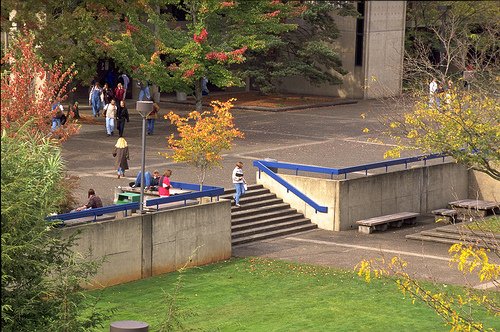
As a commuter campus, weekends empty out as students head home or to work. The 17:1 student-faculty ratio creates smaller classes where professors know your name. Many students balance school with jobs, reflected in the 88% employment rate. The quarter system moves fast, with terms starting in fall, winter, and spring. Students often gather in the student center between classes or use the library for group study sessions. With 11 varsity sports and 148 total athletes, Cougars games provide some campus spirit, though the focus remains heavily on academics and career preparation rather than traditional college social life.
- Setting
- Suburb-Large
- Calendar System
- Quarter
- Study Abroad
- Available
- Founded
- 1966
Campus Safety (2023)
2 total reported incidents. Source: Clery Act / U.S. Department of Education
| Offense | On Campus | Residential | Noncampus | Public Property |
|---|---|---|---|---|
| Burglary | 1 | 0 | 0 | 0 |
| Motor Vehicle Theft | 1 | 0 | 0 | 0 |
Climate & Weather
- January Avg
- 36°–48°F
- July Avg
- 56°–83°F
- Annual Precipitation
- 44.2"
- Annual Snowfall
- -776.8"
Student Demographics
- Men
- 48.0%
- Women
- 52.0%
- White
- 60.2%
- Black
- 2.7%
- Hispanic
- 19.9%
- Asian
- 3.6%
- In-State Students
- 92.2%
- Pell Grant Recipients
- 24.3%
Location
- Address
- Oregon City, Oregon 97045-8980
After College
Source: College Scorecard / U.S. Department of Education
- Median Earnings (10 years)
- $42,886
- Median Earnings (5 years)
- $47,557
- Mean Earnings (6 years after entry)
- $30,200
- Loan Repayment Rate
- 34.5%
- Monthly Loan Payment
- $127/mo
- Median Debt at Graduation
- $11,992
Frequently Asked Questions
What are the admission requirements at Clackamas Community College?
Clackamas Community College operates with open admission, meaning virtually all applicants are accepted. The school serves 4,575 students and focuses on providing accessible education for career training and university transfer preparation.
How much does Clackamas Community College cost after financial aid?
Students pay an average net price of $8,236 after aid, with in-state tuition at $6,210. Only 24.30% of students receive financial aid, reflecting the school's already affordable community college pricing structure.
What academic programs is Clackamas Community College known for?
The college operates on a quarter system and specializes in career training programs alongside transfer pathways to four-year universities. With a 17:1 student-faculty ratio, students get personalized attention in both vocational and academic programs.
What are the employment outcomes for Clackamas Community College graduates?
Graduates achieve an 88.2% employment rate with median earnings of $42,886 ten years after enrollment. The school's focus on practical career training helps explain these strong job placement numbers in the Portland metro area.
Where is Clackamas Community College located and what is campus life like?
The campus sits in Oregon City, a large suburban setting south of Portland. With 148 student athletes competing in 11 varsity sports as the Cougars, the school maintains an active athletic program despite its commuter-focused environment.
Is Clackamas Community College affordable for students with debt concerns?
Students graduate with a median debt of just $11,992 and monthly loan payments of $127. The relatively low debt burden reflects both the school's affordable tuition and the shorter time commitment of two-year programs.