About Clark College
The financial picture looks promising for most students. Average net price sits at $9,826, but students from families earning under $30,000 pay just $8,031 after aid. Graduates typically leave with only $10,881 in debt and monthly loan payments of $115. Within ten years, median earnings reach $42,356, making the investment worthwhile for most career paths. Only 22% of students receive federal financial aid, reflecting the college's affordability.
The student body leans female at 61%, with significant diversity including 19% Hispanic and 55% white students. While the 36% six-year graduation rate may seem low, this reflects the community college model where many students transfer before completing degrees. With 91% employment rates and strong industry connections, Clark prepares students for immediate workforce entry.
Academics & Faculty
Source: College Scorecard / U.S. Department of Education
- Student-to-Faculty Ratio
- 12:1
- Full-Time Faculty
- 97.9%
- Graduation Rate (4-year)
- 37.5%
- Graduation Rate (6-year)
- 35.7%
- Median Earnings (10 years)
- $42,356
Popular Programs by Earnings
| Program | Level | Median Earnings |
|---|---|---|
| Registered Nursing, Nursing Administration, Nursing Research and Clinical Nursing. | Associate | $63,898 |
| Dental Support Services and Allied Professions. | Associate | $60,839 |
| Dental Support Services and Allied Professions. | Bachelor | $60,320 |
| Vehicle Maintenance and Repair Technologies. | Associate | $39,729 |
| Precision Metal Working. | Associate | $34,704 |
| Allied Health and Medical Assisting Services. | Associate | $34,348 |
| Data Entry/Microcomputer Applications. | Associate | $33,993 |
| Electrical Engineering Technologies/Technicians. | Associate | $33,993 |
| Business Administration, Management and Operations. | Associate | $32,925 |
| Health and Medical Administrative Services. | Associate | $30,409 |
Campus Life
The student body reflects the working-class character of Southwest Washington, with 94.22% coming from in-state and many balancing jobs alongside their studies. Women make up 60.54% of enrollment, and the college serves a diverse population with 18.92% Hispanic students. The quarter system keeps pace quick, and with strong workforce training programs, many students head straight into careers after graduation. Weekend life centers around the greater Portland area, where students can explore food trucks, hiking trails, and the city's famously quirky culture. The 12:1 student-faculty ratio ensures personal attention as students prepare for transfer to four-year universities or enter high-demand fields like healthcare and manufacturing.
- Setting
- City-Midsize
- Calendar System
- Quarter
- Study Abroad
- Available
- Founded
- 1869
Campus Safety (2023)
12 total reported incidents. Source: Clery Act / U.S. Department of Education
| Offense | On Campus | Residential | Noncampus | Public Property |
|---|---|---|---|---|
| Burglary | 4 | 0 | 0 | 0 |
| Motor Vehicle Theft | 3 | 0 | 0 | 0 |
| Dating Violence | 1 | 0 | 0 | 1 |
| Stalking | 1 | 0 | 1 | 0 |
| Arson | 1 | 0 | 0 | 0 |
Climate & Weather
- January Avg
- 34°–47°F
- July Avg
- 57°–80°F
- Annual Precipitation
- 37.5"
- Annual Snowfall
- 0.8"
Student Demographics
- Men
- 39.5%
- Women
- 60.5%
- White
- 55.0%
- Black
- 3.4%
- Hispanic
- 18.9%
- Asian
- 5.3%
- In-State Students
- 94.2%
- Pell Grant Recipients
- 22.1%
Location
- Address
- Vancouver, Washington 98663-3598
After College
Source: College Scorecard / U.S. Department of Education
- Median Earnings (10 years)
- $42,356
- Median Earnings (5 years)
- $46,966
- Mean Earnings (6 years after entry)
- $30,300
- Loan Repayment Rate
- 33.7%
- Monthly Loan Payment
- $115/mo
- Median Debt at Graduation
- $10,881
Frequently Asked Questions
What are the admission requirements at Clark College?
Clark College maintains an open admission policy as a community college, welcoming students regardless of their academic background. With 4,699 students enrolled, the college serves as a gateway for those seeking affordable higher education or career training. The school particularly focuses on helping students transfer to four-year universities or gain workforce skills.
How much does Clark College cost after financial aid?
Students pay an average net price of $9,826 annually, with in-state tuition set at just $4,632. Low-income families earning under $30,000 pay around $8,031 after aid, making this one of the most affordable college options in Washington state. Graduates typically leave with only $10,881 in debt, well below national averages.
What is the student-faculty ratio at Clark College?
Clark College maintains a 12:1 student-faculty ratio, ensuring personalized attention in classes. The college has built a strong reputation for transfer programs and workforce training, particularly in healthcare, manufacturing, and skilled trades. This focused approach helps students either continue their education or enter the job market quickly.
What are the graduation and employment outcomes at Clark College?
The college reports a 91% employment rate for graduates, reflecting its emphasis on career-ready programs. While the six-year graduation rate stands at 36%, many students transfer before completing their associate degree. Graduates earn a median salary of $42,356 ten years after enrollment, with monthly loan payments averaging just $115.
Where is Clark College located and what is campus life like?
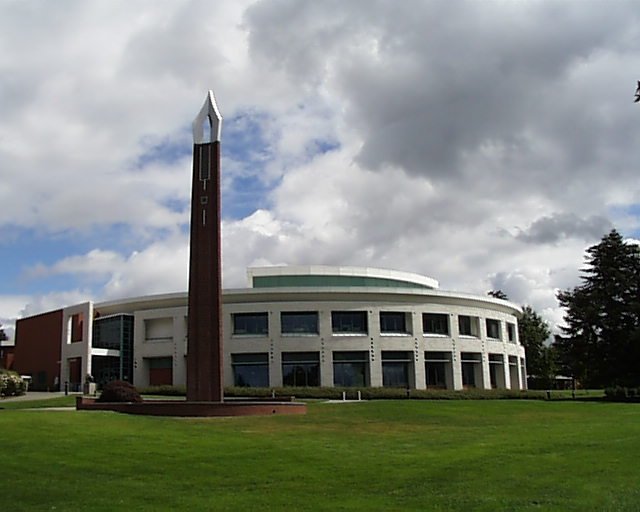
The campus sits in Vancouver, Washington, a mid-size city across the Columbia River from Portland, Oregon. With 60% women and 55% white students, the college draws heavily from the local community, with 94% of students coming from in-state. The Penguins compete in 11 varsity sports with 226 total athletes.
Does Clark College offer strong programs for students planning to transfer?
Clark College has built its reputation on excellent transfer pathways to four-year universities throughout Washington and Oregon. The college operates on a quarter system and focuses heavily on preparing students for bachelor's degree programs. Many students use Clark as an affordable stepping stone, completing general education requirements before transferring to more expensive universities.