About Clarkson University
The sticker price hits $76,526, but most students pay far less after institutional aid kicks in. The average net price drops to $31,955, making this private education more accessible than it appears. Graduates earn a median of $89,696 ten years out, easily justifying the typical $26,000 in debt. That monthly loan payment of $276 becomes manageable when you consider the strong employment rate of 96.7%.
The student body skews heavily male at 67%, reflecting the engineering focus. Twenty varsity sports keep the Golden Knights competitive in Division III athletics. With 403 student-athletes and $1.8 million in athletic scholarships, sports play a meaningful role on this small campus.
Academics & Faculty
Source: College Scorecard / U.S. Department of Education
- Student-to-Faculty Ratio
- 12:1
- Full-Time Faculty
- 78.4%
- Graduation Rate (4-year)
- 73.0%
- Graduation Rate (6-year)
- 73.6%
- Retention Rate
- 84.7%
- Median Earnings (10 years)
- $89,696
- Carnegie Classification
- Doctoral University (R2)
Popular Programs by Earnings
| Program | Level | Median Earnings |
|---|---|---|
| Multi/Interdisciplinary Studies, Other. | Master | $110,878 |
| Allied Health Diagnostic, Intervention, and Treatment Professions. | Master | $107,376 |
| Engineering-Related Fields. | Master | $95,295 |
| Electrical, Electronics and Communications Engineering. | Master | $82,440 |
| Computer Science. | Bachelor | $78,074 |
| Mechanical Engineering. | Master | $77,715 |
| Computer Engineering. | Bachelor | $76,460 |
| Business Administration, Management and Operations. | Master | $71,575 |
| Electrical, Electronics and Communications Engineering. | Bachelor | $70,009 |
| Chemical Engineering. | Bachelor | $68,858 |
Campus Life
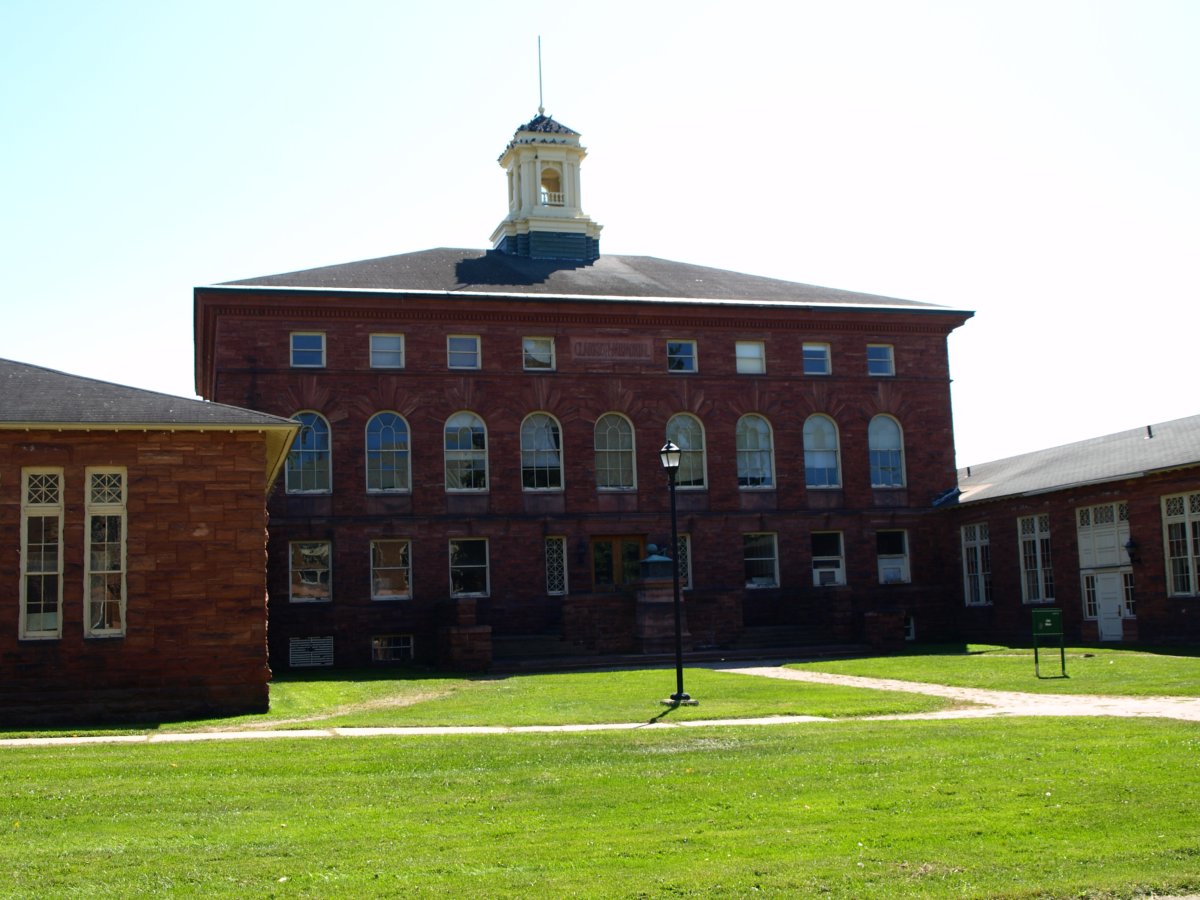
Engineering and business majors dominate campus life, with the 12:1 student-faculty ratio fostering close relationships between professors and students. Weekend activities center around hockey games and outdoor adventures in the surrounding wilderness. The Golden Knights compete in 20 Division III sports, with 403 total athletes making up a significant portion of the student population. Students often head to the nearby St. Lawrence River for kayaking or hiking in warmer months. With an 85% retention rate, most students stick around all four years, creating a family-like atmosphere where upperclassmen mentor newcomers through rigorous STEM coursework.
- Setting
- Town-Remote
- Housing Capacity
- 2,417 beds
- Calendar System
- Semester
- Study Abroad
- Available
- Founded
- 1896
Campus Safety (2023)
7 total reported incidents. Source: Clery Act / U.S. Department of Education
| Offense | On Campus | Residential | Noncampus | Public Property |
|---|---|---|---|---|
| Burglary | 2 | 2 | 0 | 0 |
| Dating Violence | 1 | 1 | 0 | 0 |
| Motor Vehicle Theft | 1 | 0 | 0 | 0 |
Climate & Weather
- January Avg
- 6°–25°F
- July Avg
- 58°–79°F
- Annual Precipitation
- 42.0"
- Annual Snowfall
- 77.3"
Student Demographics
- Men
- 67.3%
- Women
- 32.7%
- White
- 79.0%
- Black
- 3.2%
- Hispanic
- 6.7%
- Asian
- 2.7%
- In-State Students
- 65.1%
- Pell Grant Recipients
- 20.5%
Location
- Address
- Potsdam, New York 13699
After College
Source: College Scorecard / U.S. Department of Education
- Median Earnings (10 years)
- $89,696
- Median Earnings (5 years)
- $89,882
- Mean Earnings (6 years after entry)
- $56,400
- Loan Repayment Rate
- 86.3%
- Monthly Loan Payment
- $276/mo
- Median Debt at Graduation
- $26,000
Frequently Asked Questions
What is the acceptance rate at Clarkson University?
Clarkson University admits 78.42% of applicants, making it relatively accessible for a tech-focused institution. The average SAT score is 1280, reflecting the university's emphasis on strong STEM preparation.
How much does Clarkson University cost after financial aid?
The average net price at Clarkson University is $31,955, lower than the sticker price of $57,950. About 30% of students receive institutional grants averaging $41,285, helping offset costs at this private technological university.
What is the student-faculty ratio at Clarkson University?
Clarkson maintains a 12:1 student-faculty ratio with just 2,449 total students. This small size allows for hands-on learning in engineering labs and close mentorship in STEM research projects.
How much do Clarkson University graduates earn?
Clarkson graduates earn a median salary of $89,696 ten years after graduation, reflecting strong demand for their engineering and business skills. The employment rate reaches 96.7%, with many alumni landing positions at major tech and manufacturing companies.
Where is Clarkson University located?
Clarkson sits in Potsdam, NY, a remote town near the Canadian border. With housing capacity for 2,417 students on a campus serving 2,449 total enrollment, nearly all undergraduates live on campus in this tight-knit community.
Is Clarkson University primarily male or female?
Clarkson's student body is 67.29% male and 32.71% female, typical for engineering-focused institutions. The gender imbalance reflects the university's strong emphasis on traditionally male-dominated STEM fields like mechanical and electrical engineering.