About Cleveland State University
Students pay an average net price of $16,065 after financial aid, making this one of the more affordable urban university options. Graduates earn a median salary of $52,131 ten years after graduation, which provides solid returns on the typical debt load of $21,797. The math works well for most students, especially considering 39% receive Pell Grants and the school keeps costs reasonable for both in-state and out-of-state families.
Cleveland State maintains a 16:1 student-faculty ratio despite its urban public status. The student body draws heavily from Ohio, with 92.5% coming from in-state. Vikings athletics compete in NCAA Division I through the Horizon League, offering 17 varsity sports programs. The 48.9% six-year graduation rate reflects the reality that many students work while attending, taking longer to complete degrees but building valuable professional experience along the way.
Academics & Faculty
Source: College Scorecard / U.S. Department of Education
- Student-to-Faculty Ratio
- 16:1
- Full-Time Faculty
- 52.7%
- Graduation Rate (4-year)
- 48.9%
- Graduation Rate (6-year)
- 48.9%
- Retention Rate
- 69.1%
- Median Earnings (10 years)
- $52,131
- Carnegie Classification
- Doctoral University (R2)
Popular Programs by Earnings
| Program | Level | Median Earnings |
|---|---|---|
| Electrical, Electronics and Communications Engineering. | Master | $77,966 |
| Registered Nursing, Nursing Administration, Nursing Research and Clinical Nursing. | Master | $75,204 |
| Education, General. | Doctoral | $73,446 |
| Electrical, Electronics and Communications Engineering. | Bachelor | $65,849 |
| Business Administration, Management and Operations. | Master | $65,610 |
| Health Professions and Related Clinical Sciences, Other. | Master | $65,332 |
| Rehabilitation and Therapeutic Professions. | Master | $64,406 |
| Education, Other. | Certificate | $63,997 |
| Rehabilitation and Therapeutic Professions. | Doctoral | $63,666 |
| Accounting and Related Services. | Master | $61,888 |
Campus Life
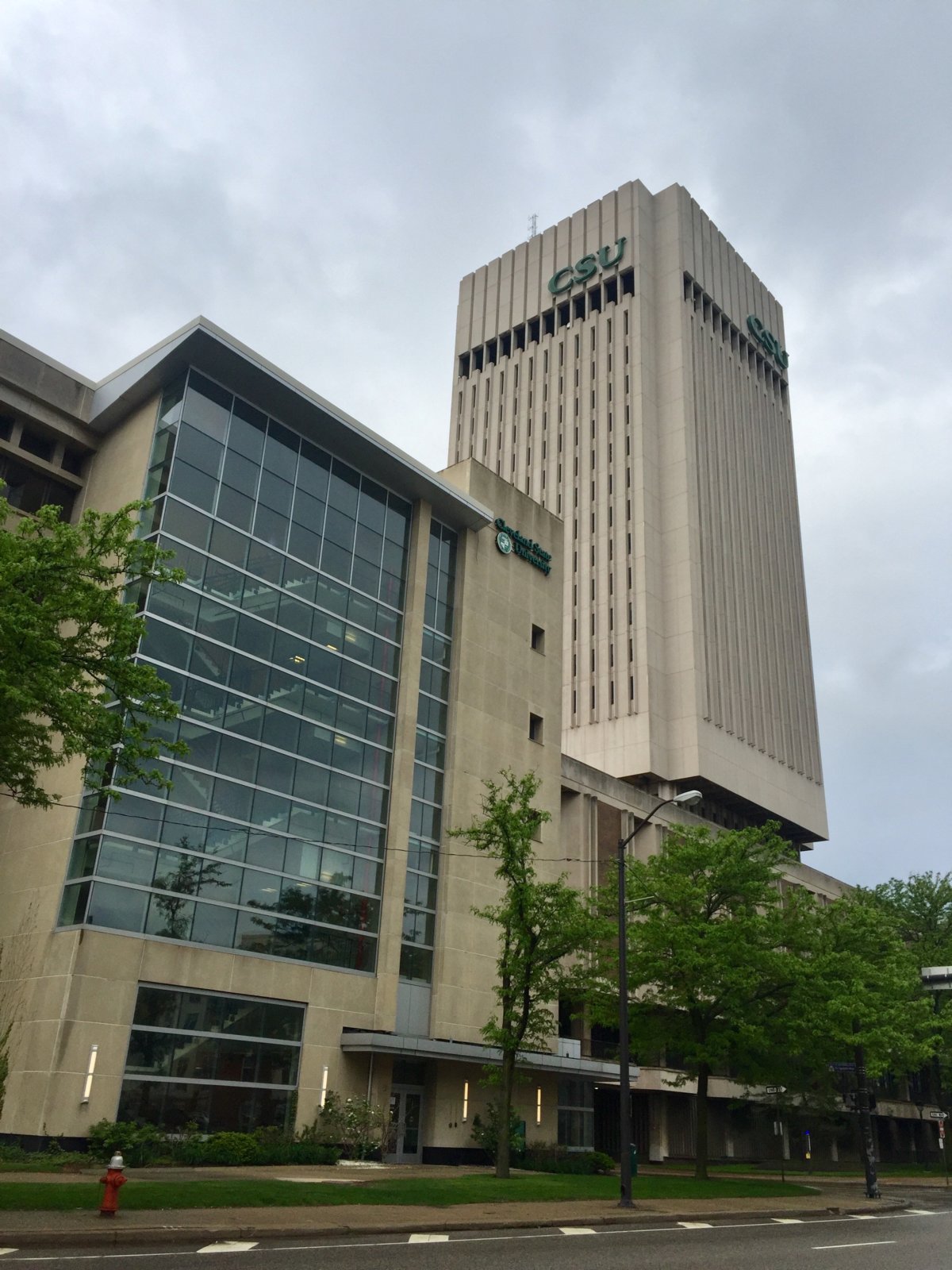
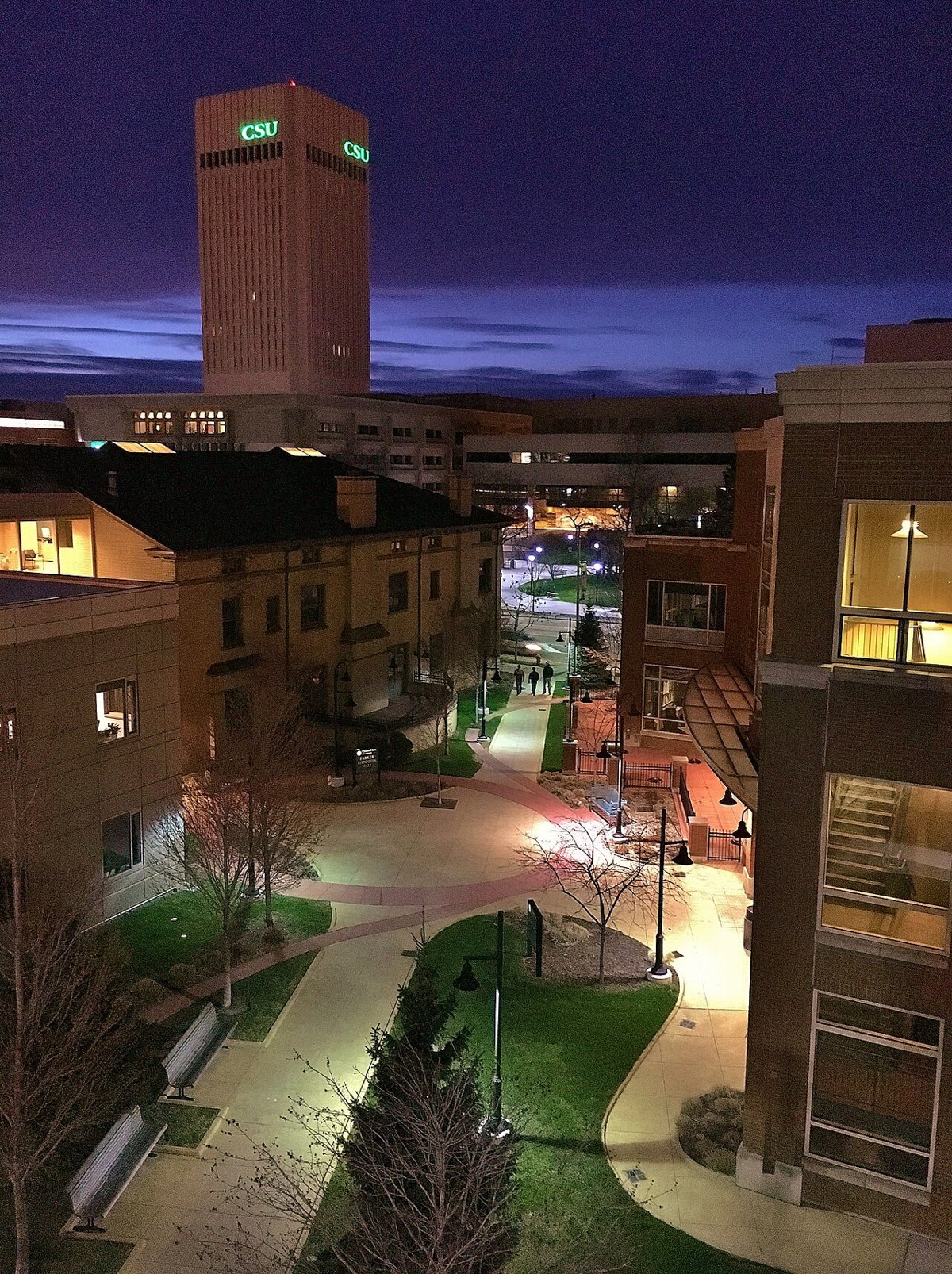
Students here are practical about college. With 39.01% receiving Pell Grants and many working part-time jobs, weekends often mean catching up on coursework or picking up shifts downtown. The cooperative education program sends students into Cleveland's hospitals, banks, and tech companies for real work experience. Campus events compete with the attractions of downtown Cleveland, from Playhouse Square theaters to Progressive Field baseball games. The 16:1 student-faculty ratio means professors know your name, especially in smaller upper-level courses. Greek life exists but doesn't dominate social scenes the way it might at residential campuses.
- Setting
- City-Large
- Housing Capacity
- 2,202 beds
- Calendar System
- Semester
- Study Abroad
- Available
- Founded
- 1964
Campus Safety (2023)
140 total reported incidents. Source: Clery Act / U.S. Department of Education
| Offense | On Campus | Residential | Noncampus | Public Property |
|---|---|---|---|---|
| Motor Vehicle Theft | 29 | 1 | 0 | 23 |
| Robbery | 2 | 0 | 0 | 19 |
| Aggravated Assault | 2 | 1 | 0 | 15 |
| Burglary | 15 | 3 | 0 | 0 |
| Rape | 4 | 2 | 0 | 3 |
| Fondling | 5 | 1 | 0 | 2 |
| Dating Violence | 3 | 3 | 0 | 0 |
| Stalking | 4 | 0 | 0 | 0 |
| Domestic Violence | 0 | 0 | 0 | 2 |
| Arson | 0 | 0 | 0 | 1 |
Climate & Weather
- January Avg
- 23°–35°F
- July Avg
- 67°–80°F
- Annual Precipitation
- 33.3"
- Annual Snowfall
- 63.8"
Student Demographics
- Men
- 46.7%
- Women
- 53.3%
- White
- 57.8%
- Black
- 16.4%
- Hispanic
- 9.1%
- Asian
- 4.0%
- In-State Students
- 92.5%
- Pell Grant Recipients
- 39.0%
Location
- Address
- Cleveland, Ohio 44115-2214
After College
Source: College Scorecard / U.S. Department of Education
- Median Earnings (10 years)
- $52,131
- Median Earnings (5 years)
- $56,881
- Mean Earnings (6 years after entry)
- $37,200
- Loan Repayment Rate
- 47.5%
- Monthly Loan Payment
- $231/mo
- Median Debt at Graduation
- $21,797
Frequently Asked Questions
What is the acceptance rate at Cleveland State University?
Cleveland State University accepts 85.32% of applicants, making it accessible to most students who apply. The average SAT score is 1005, with the middle 50% scoring between 880 and 1130. This open-access approach aligns with CSU's mission to serve working students and the diverse Cleveland community.
How much does Cleveland State University cost after financial aid?
The average net price at Cleveland State University is $16,065 after financial aid. Students from families earning under $30,000 pay just $13,058 on average. With 39% of students receiving Pell Grants, CSU maintains affordability for working-class families in Cleveland.
What academic programs is Cleveland State University known for?
Cleveland State University operates with a 16:1 student-faculty ratio across its programs. The university is particularly recognized for its cooperative education programs that connect students with Cleveland's business community. CSU serves as an urban research university focused on practical, career-oriented education.
What are the graduation rates and career outcomes at Cleveland State University?
Cleveland State University graduates 48.9% of students within six years, with graduates earning a median salary of $52,131 ten years after enrollment. The employment rate reaches 95.1% for graduates. Many students work while attending, which can extend time to graduation but leads to strong professional networks.
Where is Cleveland State University located and what is campus life like?
Cleveland State University sits in downtown Cleveland with housing for 2,202 students. The campus serves 9,077 students, with 92.5% coming from Ohio. As an urban campus, students have access to Cleveland's internships, jobs, and cultural attractions while maintaining a close-knit university community.
Does Cleveland State University have Division I athletics?
Cleveland State University competes in NCAA Division I as the Vikings in the Horizon League. The university fields 17 varsity sports with 354 total athletes. CSU provides $3.6 million in athletic scholarships, supporting competitive programs while maintaining focus on academics and community engagement.