About Clover Park Technical College
The financial picture looks solid for technical education. Students pay an average net price of $3,912 after aid, keeping costs low regardless of residency status since in-state and out-of-state tuition both hit $6,634. Graduates earn a median of $41,787 ten years after completing their programs. Most students graduate with manageable debt of $12,112, leading to monthly loan payments of just $128. The employment rate reaches 91.6%, meaning nearly all graduates find work in their fields.
Women make up 62.76% of the student body, reflecting strong enrollment in healthcare programs. The student-faculty ratio of 22:1 means instructors can provide individual attention during lab work and technical training. Only 5.06% of students take federal loans, suggesting many can afford the low tuition without borrowing heavily.
Academics & Faculty
Source: College Scorecard / U.S. Department of Education
- Student-to-Faculty Ratio
- 22:1
- Full-Time Faculty
- 98.3%
- Graduation Rate (4-year)
- 42.9%
- Graduation Rate (6-year)
- 40.7%
- Median Earnings (10 years)
- $41,787
Popular Programs by Earnings
| Program | Level | Median Earnings |
|---|---|---|
| Registered Nursing, Nursing Administration, Nursing Research and Clinical Nursing. | Associate | $73,949 |
| Vehicle Maintenance and Repair Technologies. | Associate | $47,260 |
| Allied Health Diagnostic, Intervention, and Treatment Professions. | Associate | $46,478 |
| Practical Nursing, Vocational Nursing and Nursing Assistants. | Certificate | $43,000 |
| Computer/Information Technology Administration and Management. | Associate | $39,369 |
| Engineering Technology, General. | Certificate | $36,938 |
| Allied Health and Medical Assisting Services. | Certificate | $35,060 |
| Allied Health Diagnostic, Intervention, and Treatment Professions. | Certificate | $35,060 |
| Allied Health and Medical Assisting Services. | Associate | $34,847 |
| Clinical/Medical Laboratory Science/Research and Allied Professions. | Certificate | $32,925 |
Campus Life
The 22:1 student-faculty ratio means hands-on lab work in smaller groups, whether you're training in dental hygiene, automotive technology, or nursing. Most students work while attending classes, fitting their quarter-system schedule around jobs and family obligations. With no dormitories, campus life centers on program-specific study groups and professional clubs rather than traditional college social scenes. Weekends often involve clinical rotations for healthcare students or internships at local manufacturing companies like Boeing suppliers. The diverse student body includes 14% Black and 16% Hispanic students, creating a more multicultural environment than many Washington communities. Students typically grab coffee between classes rather than lingering for campus events.
- Setting
- City-Small
- Calendar System
- Quarter
- Founded
- 1942
Campus Safety (2023)
8 total reported incidents. Source: Clery Act / U.S. Department of Education
| Offense | On Campus | Residential | Noncampus | Public Property |
|---|---|---|---|---|
| Burglary | 6 | 0 | 0 | 0 |
| Motor Vehicle Theft | 2 | 0 | 0 | 0 |
Climate & Weather
- January Avg
- 37°–48°F
- July Avg
- 57°–76°F
- Annual Precipitation
- 40.8"
- Annual Snowfall
- 5.6"
Student Demographics
- Men
- 37.2%
- Women
- 62.8%
- White
- 38.7%
- Black
- 13.7%
- Hispanic
- 15.6%
- Asian
- 6.3%
- In-State Students
- 100.0%
- Pell Grant Recipients
- 18.0%
Location
- Address
- Lakewood, Washington 98499-4004
After College
Source: College Scorecard / U.S. Department of Education
- Median Earnings (10 years)
- $41,787
- Median Earnings (5 years)
- $47,782
- Mean Earnings (6 years after entry)
- $28,800
- Loan Repayment Rate
- 33.6%
- Monthly Loan Payment
- $128/mo
- Median Debt at Graduation
- $12,112
Frequently Asked Questions
What is the acceptance rate at Clover Park Technical College?
Clover Park Technical College has an open admission policy for most programs, meaning qualified applicants are typically accepted. The college serves 2,417 students and focuses on preparing students for immediate entry into high-demand technical careers. Students must meet basic requirements like a high school diploma or equivalent to enroll in most certificate and degree programs.
How much does Clover Park Technical College cost after financial aid?
The average net price at Clover Park Technical College is $3,912 per year, making it highly affordable for technical education. Students from families earning under $30,000 pay an average of just $3,264 annually. The college's low costs reflect its mission to provide accessible career training without the burden of excessive student debt.
What academic programs is Clover Park Technical College known for?
Clover Park Technical College specializes in hands-on technical training programs in healthcare, manufacturing, and skilled trades. The college maintains a 22:1 student-faculty ratio to ensure personalized instruction in laboratory and workshop settings. Programs are designed to meet local workforce demands in the Puget Sound region.
What are the employment outcomes for Clover Park Technical College graduates?
Graduates achieve a 91.6% employment rate, demonstrating strong job market demand for the college's technical training. The median earnings are $41,787 ten years after graduation, reflecting solid career prospects in skilled trades and technical fields. Students typically graduate with manageable debt of $12,112, leading to monthly loan payments of just $128.
Where is Clover Park Technical College located and what is the campus like?
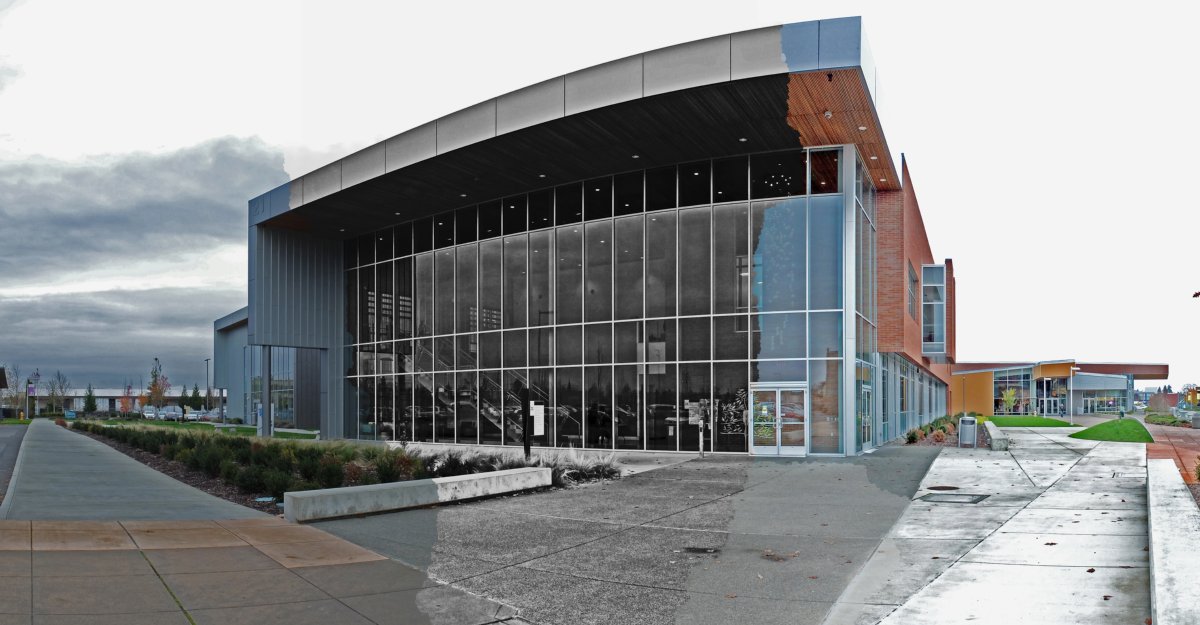
The college sits in Lakewood, Washington, a small city near Tacoma in the Puget Sound region. All students are in-state residents, creating a close-knit community focused on local workforce development. The campus emphasizes practical learning environments with workshops, labs, and simulation facilities that mirror real workplace conditions.
Does Clover Park Technical College have a diverse student body?
The student body is 62.76% women and reflects significant diversity, with 38.68% White, 15.60% Hispanic, 13.65% Black, and 6.25% Asian students. This diversity stems from the college's role in providing accessible career training to underserved communities. The college has served the region since 1942, building strong connections with local employers and community organizations.