About College of Marin
The financial picture makes sense for most students. In-state tuition costs just $1,558, though the average net price reaches $15,517 when factoring in living expenses. Graduates earn a median of $42,654 ten years after enrollment, which easily covers the typical debt load of $10,062. Students from lower-income families pay around $13,784 net price, making this an affordable path to higher education. Only 16.84% of students receive federal financial aid, reflecting the relatively wealthy local population.
The graduation rate tells an important story about community college realities. Just 36.30% of students complete their programs within six years, typical for two-year schools where many attend part-time or transfer before graduating. The school fields ten varsity sports teams with 150 total athletes. Women make up 56.77% of the student body, and the campus reflects California's diversity with significant Hispanic and Asian populations.
Academics & Faculty
Source: College Scorecard / U.S. Department of Education
- Student-to-Faculty Ratio
- 16:1
- Full-Time Faculty
- 44.4%
- Graduation Rate (6-year)
- 36.3%
- Median Earnings (10 years)
- $42,654
Popular Programs by Earnings
| Program | Level | Median Earnings |
|---|---|---|
| Registered Nursing, Nursing Administration, Nursing Research and Clinical Nursing. | Associate | $90,412 |
Campus Life
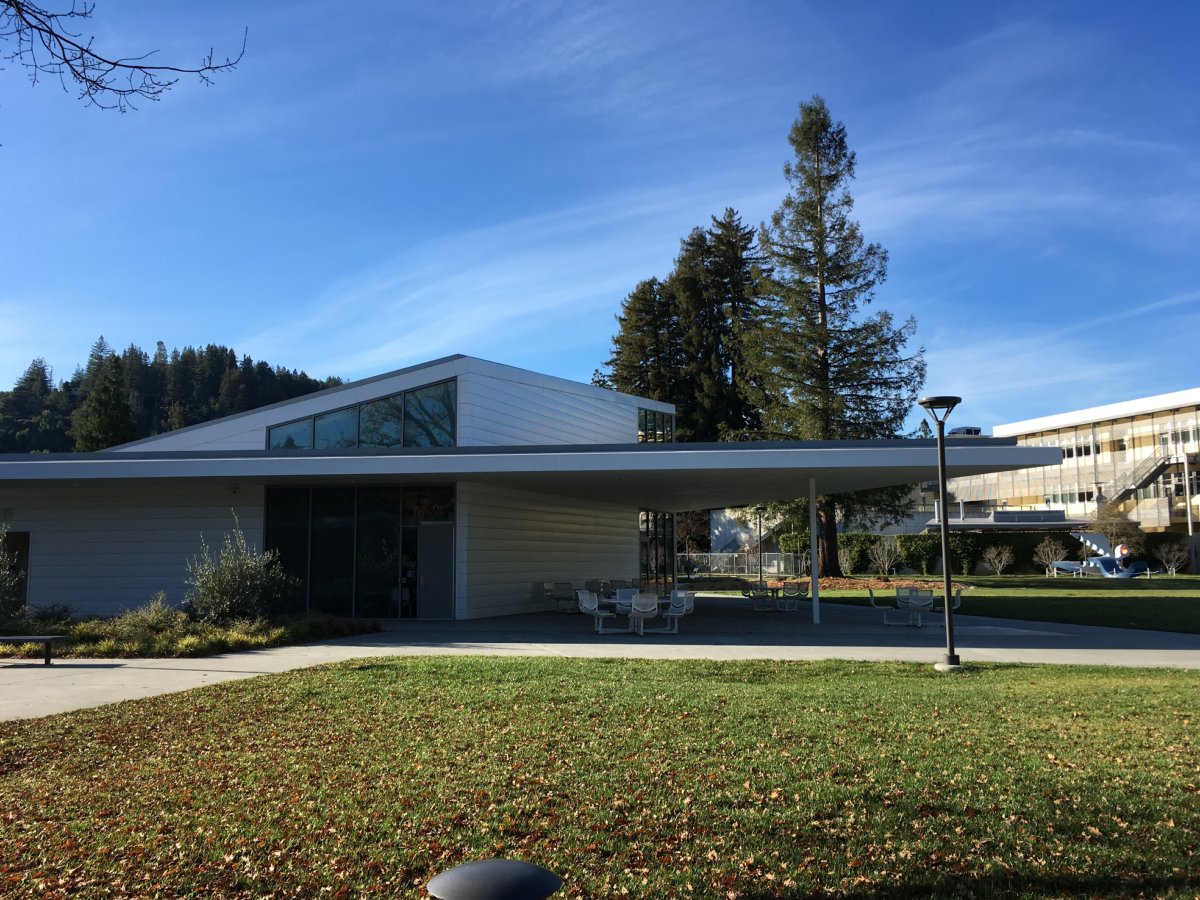
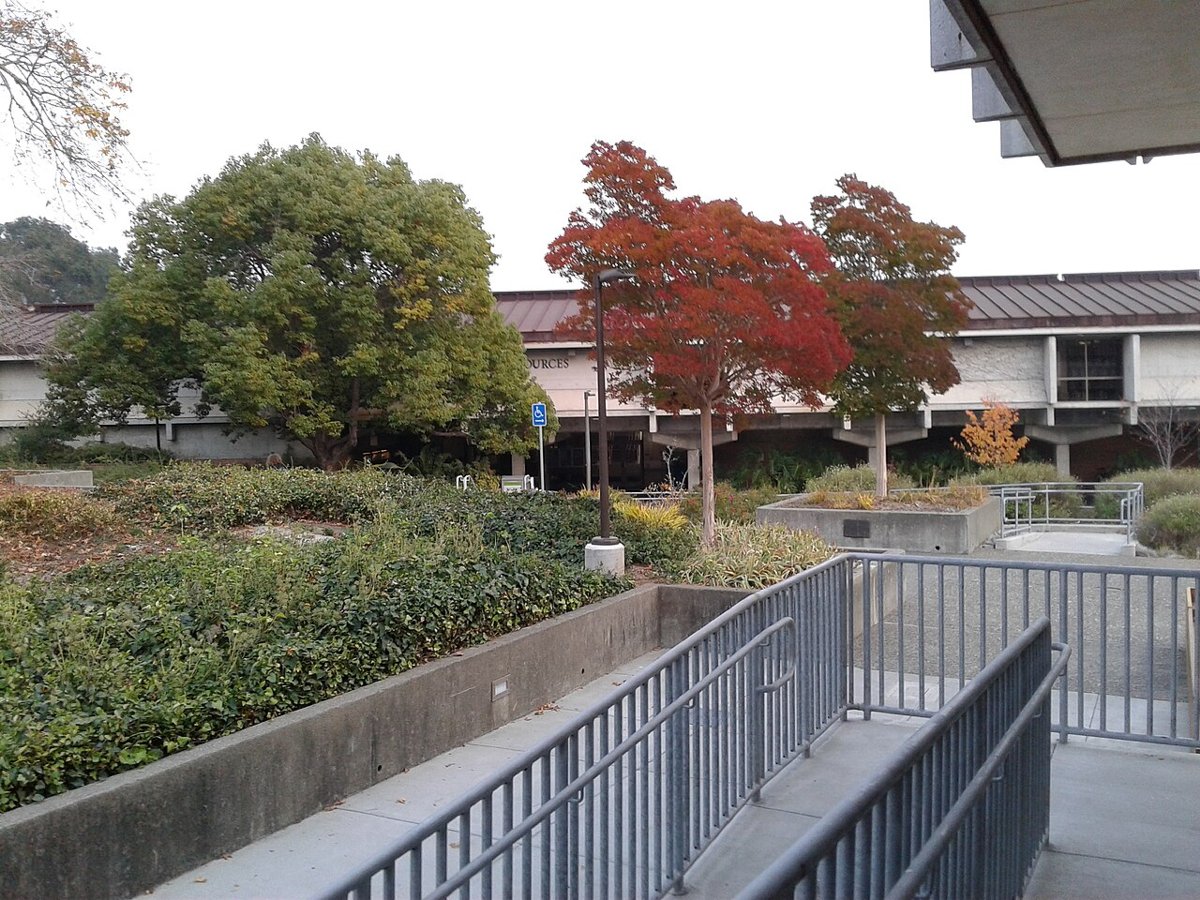
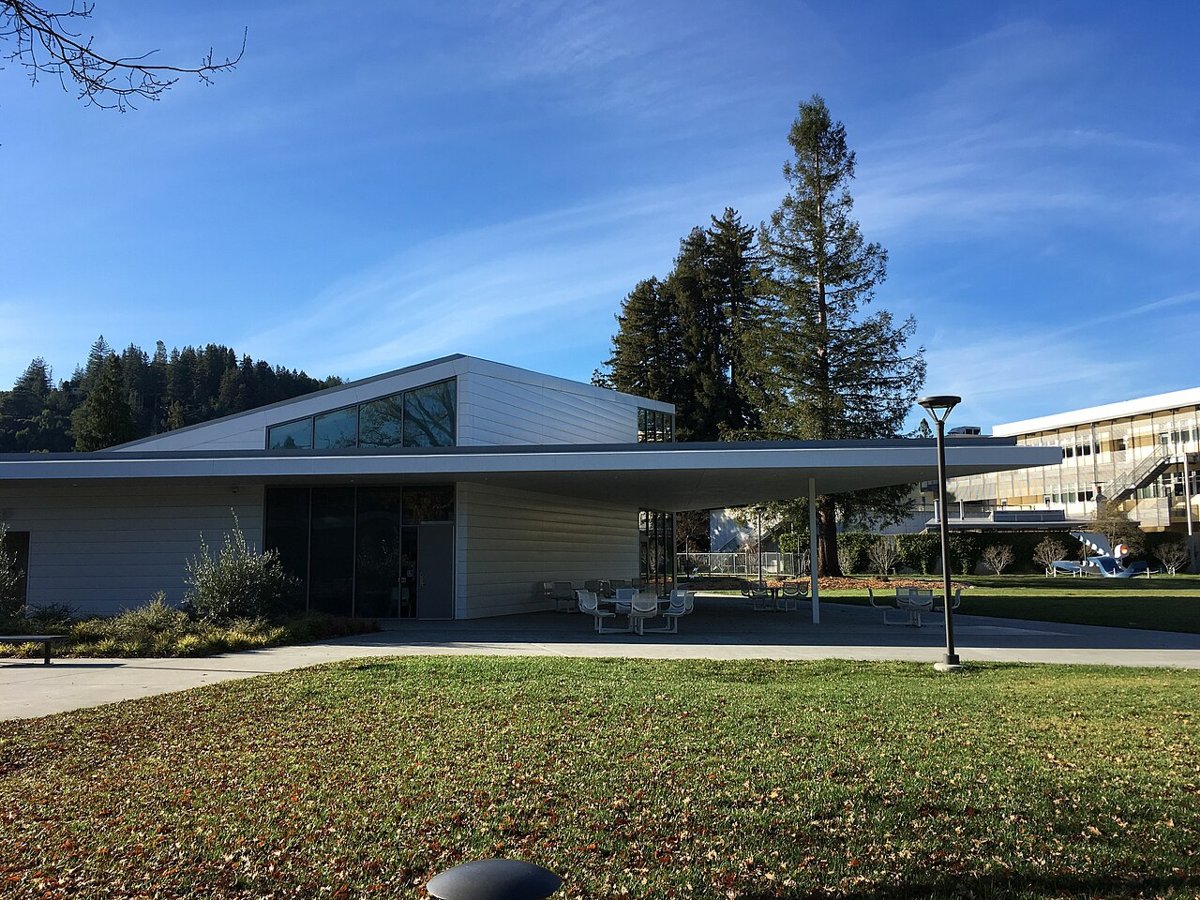
As a community college, there's no on-campus housing, so the 98.42% in-state student body commutes from around Marin County. The 16:1 student-faculty ratio creates smaller class sizes where professors know your name. Weekends often involve exploring nearby hiking trails in Mount Tamalpais State Park or heading into San Francisco for city adventures. The Mariners field 10 varsity sports with 150 total athletes, though athletic scholarships aren't available. Many students work part-time while attending - the 94.7% employment rate reflects both necessity and opportunity in expensive Marin County, where even entry-level jobs pay well above national averages.
- Setting
- Suburb-Large
- Calendar System
- Semester
- Founded
- 1926
Campus Safety (2023)
5 total reported incidents. Source: Clery Act / U.S. Department of Education
| Offense | On Campus | Residential | Noncampus | Public Property |
|---|---|---|---|---|
| Burglary | 3 | 0 | 0 | 0 |
| Domestic Violence | 1 | 0 | 0 | 0 |
| Motor Vehicle Theft | 1 | 0 | 0 | 0 |
Climate & Weather
- January Avg
- 41°–56°F
- July Avg
- 53°–82°F
- Annual Precipitation
- 44.4"
- Annual Snowfall
- 0.0"
Student Demographics
- Men
- 43.2%
- Women
- 56.8%
- White
- 44.8%
- Black
- 3.4%
- Hispanic
- 36.1%
- Asian
- 6.2%
- In-State Students
- 98.4%
- Pell Grant Recipients
- 16.8%
Location
- Address
- Kentfield, California 94904-2590
After College
Source: College Scorecard / U.S. Department of Education
- Median Earnings (10 years)
- $42,654
- Median Earnings (5 years)
- $54,326
- Mean Earnings (6 years after entry)
- $32,600
- Loan Repayment Rate
- 27.5%
- Monthly Loan Payment
- $107/mo
- Median Debt at Graduation
- $10,062
Frequently Asked Questions
What are the admission requirements at College of Marin?
College of Marin maintains an open enrollment policy typical of California community colleges, welcoming students regardless of high school GPA. The school serves 3,928 students and focuses on providing accessible higher education to Marin County residents. Nearly all students are California residents, with 98.42% coming from in-state.
How much does College of Marin cost after financial aid?
In-state students pay $1,558 in tuition, while the average net price reaches $15,517 when including living expenses. Only 16.84% of students receive financial aid, reflecting the relatively affluent Marin County demographics. Students from families earning under $30,000 pay a net price of $13,784.
What academic programs is College of Marin known for?
College of Marin operates as a transfer-focused community college with a 16:1 student-faculty ratio. The school has served Marin County since 1926, building strong pathways to four-year universities. Students benefit from small class sizes and personalized attention in their academic preparation.
What are the employment outcomes for College of Marin graduates?
Graduates achieve a 94.7% employment rate, demonstrating strong job market preparation. The median earnings reach $42,654 ten years after enrollment, while recent graduates earn $49,096 after one year. Students typically graduate with manageable debt of $10,062 and monthly loan payments of $107.
Where is College of Marin located and what is campus life like?
The campus sits in Kentfield, a large suburban area in affluent Marin County north of San Francisco. With 150 athletes competing in 10 varsity sports as the Mariners, the school offers modest athletic programs without scholarships. The student body is 56.77% female and reflects Marin's diversity with 44.83% white and 36.10% Hispanic students.
Does College of Marin offer good value for transfer students?
The school provides exceptional value with a 36.30% six-year graduation rate that reflects typical community college transfer timelines. Students benefit from low tuition costs and the opportunity to complete general education requirements before transferring. The location in expensive Marin County makes it an affordable option for local students seeking university preparation.