
About College of Menominee Nation
The financial picture here is compelling for low-income students. With tuition at $6,200 regardless of residency, the average net price after aid reaches $10,498. Students from families earning under $30,000 pay just $9,738 annually. While recent graduates earn a median of $37,922 in their first year after college, this jumps to $41,953 by year five. The investment pays off considering the affordable entry cost and strong employment outcomes.
Women make up 70% of the student body, reflecting broader trends in higher education. The college serves a predominantly Native American population, with only 6% of students identifying as white. With an 86% employment rate after graduation, students find work even though traditional graduation rates remain challenging at 30% for four years.
Academics & Faculty
Source: College Scorecard / U.S. Department of Education
- Student-to-Faculty Ratio
- 6:1
- Full-Time Faculty
- 40.0%
- Graduation Rate (4-year)
- 30.1%
- Graduation Rate (6-year)
- 27.5%
- Median Earnings (10 years)
- $25,853
- Carnegie Classification
- Tribal College
Campus Life
Women make up 70% of the student body, creating a predominantly female campus culture. Nearly all students are in-state residents, with many commuting from nearby reservation communities rather than living on campus. The college integrates Menominee language and cultural practices into daily academic life. Students often participate in traditional ceremonies and cultural events that connect classroom learning to tribal heritage. Weekend activities typically revolve around family and community gatherings rather than typical college parties. The employment rate of 86% reflects the college's focus on practical skills and community service. Students here aren't just earning degrees but preserving and advancing Menominee culture for future generations.
- Setting
- Rural-Distant
- Calendar System
- Semester
- Founded
- 1993
Campus Safety (2023)
No reported Clery Act crimes in 2023.
Climate & Weather
- January Avg
- 6°–24°F
- July Avg
- 58°–81°F
- Annual Precipitation
- 33.1"
- Annual Snowfall
- 47.9"
Student Demographics
- Men
- 29.7%
- Women
- 70.4%
- White
- 6.0%
- Black
- 0.5%
- Hispanic
- 2.0%
- Asian
- 0.0%
- In-State Students
- 100.0%
- Pell Grant Recipients
- 50.9%
Location
- Address
- Keshena, Wisconsin 54135-1179
After College
Source: College Scorecard / U.S. Department of Education
- Median Earnings (10 years)
- $25,853
- Median Earnings (5 years)
- $41,953
- Mean Earnings (6 years after entry)
- $18,300
Frequently Asked Questions
What is the acceptance rate at College of Menominee Nation?
College of Menominee Nation serves exclusively students from Wisconsin, with 100% in-state enrollment reflecting its mission as a tribal college. The school maintains an intimate learning environment with just 199 students total. As one of the first tribal colleges in the United States, it focuses on providing culturally relevant education to the Menominee Nation and other Native American students.
How much does College of Menominee Nation cost after financial aid?
Students pay an average net price of $10,498 annually, with tuition set at $6,200 for both in-state and out-of-state students. About 51% of students receive financial aid, and the same percentage receive Pell Grants. For families earning under $30,000, the net price drops to $9,738.
What is the student-faculty ratio at College of Menominee Nation?
The college maintains a 6:1 student-faculty ratio, providing exceptional individual attention in small classes. This intimate academic setting supports the school's focus on culturally relevant education for Native American students. The college operates on a semester calendar system to structure this personalized learning experience.
What are the graduation rates at College of Menominee Nation?
The four-year graduation rate stands at 30%, while the six-year rate is 28%. Despite these modest completion rates, 86% of graduates find employment after leaving the college. The school's focus remains on serving its community through culturally grounded education rather than traditional metrics.
Where is College of Menominee Nation located?
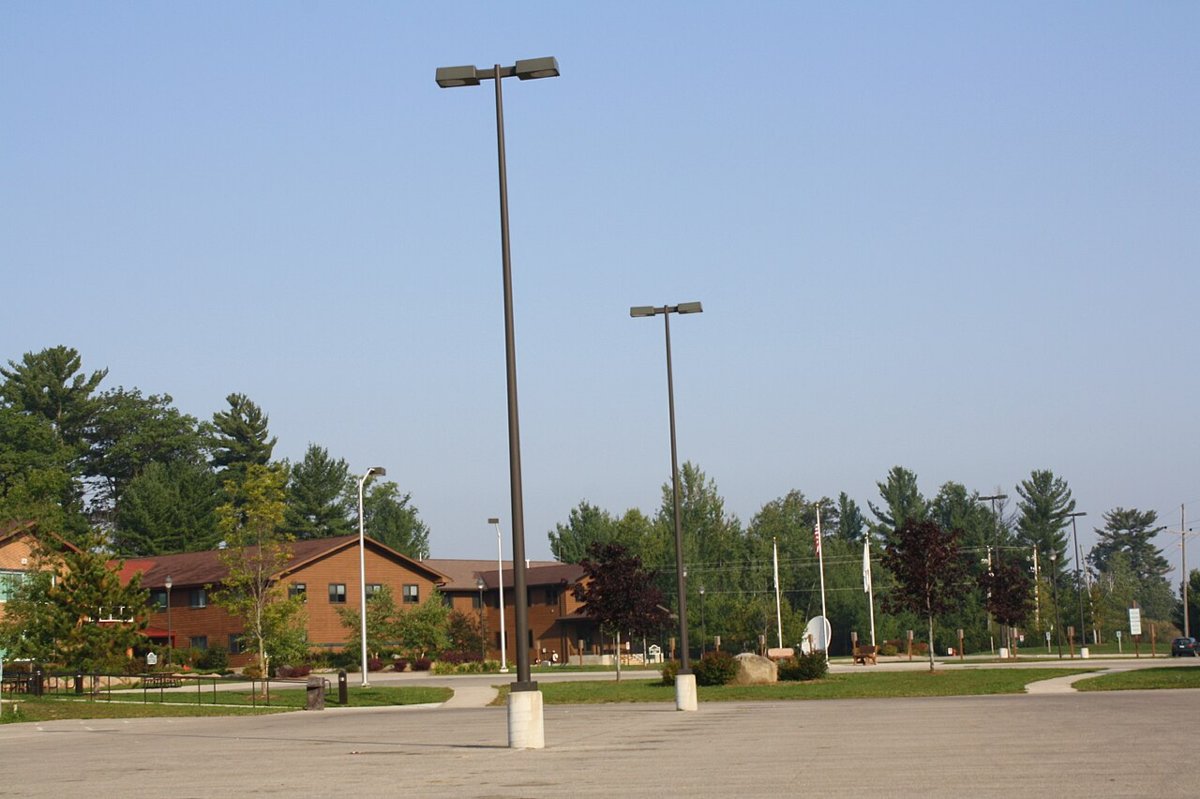
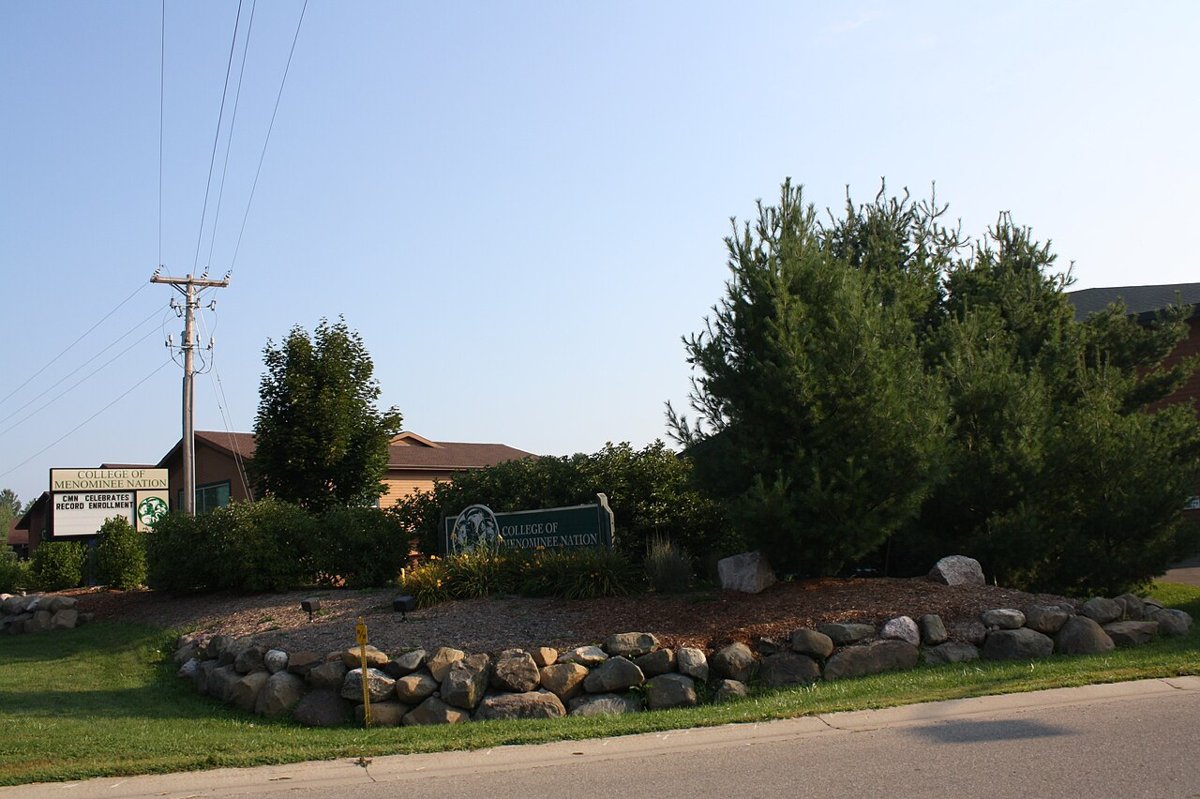
The college sits in Keshena, Wisconsin, in a rural-distant setting that reflects its deep connection to the Menominee Nation. This location allows the tribal college to serve its community directly while maintaining traditional cultural ties. The rural setting supports the college's mission of providing education rooted in Native American values and traditions.
How much do College of Menominee Nation graduates earn?
Graduates earn a median of $37,922 one year after completion and $41,953 five years later. Ten years out, median earnings reach $25,853, reflecting the college's focus on community service and cultural preservation over purely financial outcomes. The school emphasizes preparing students to serve their tribal community and maintain cultural traditions.