
About College of Southern Nevada
Students pay an average net price of $6,329, making CSN one of the most affordable college options in Nevada. In-state tuition runs just $4,110 annually. Graduates earn a median of $38,087 ten years after enrollment, while carrying typical debt loads of only $8,000. The employment rate reaches 91.0%, reflecting strong job placement in Las Vegas's service and technical sectors. This combination of low cost and solid employment outcomes makes CSN a practical choice for budget-conscious students.
The student body reflects Las Vegas's diversity, with Hispanic students comprising 41.17% of enrollment and significant representation across racial groups. Nearly all students (98.55%) come from Nevada. The 21:1 student-faculty ratio means larger class sizes, but the college's nine NJCAA athletic programs and 180 student-athletes add campus life beyond academics.
Academics & Faculty
Source: College Scorecard / U.S. Department of Education
- Student-to-Faculty Ratio
- 21:1
- Full-Time Faculty
- 100.0%
- Graduation Rate (4-year)
- 17.4%
- Graduation Rate (6-year)
- 17.9%
- Median Earnings (10 years)
- $38,087
Popular Programs by Earnings
| Program | Level | Median Earnings |
|---|---|---|
| Dental Support Services and Allied Professions. | Associate | $73,949 |
| Registered Nursing, Nursing Administration, Nursing Research and Clinical Nursing. | Associate | $72,118 |
| Dental Support Services and Allied Professions. | Bachelor | $63,005 |
| Allied Health Diagnostic, Intervention, and Treatment Professions. | Associate | $62,012 |
| Ophthalmic and Optometric Support Services and Allied Professions. | Associate | $54,035 |
| Vehicle Maintenance and Repair Technologies. | Associate | $42,123 |
| Legal Support Services. | Associate | $41,937 |
| Heating, Air Conditioning, Ventilation and Refrigeration Maintenance Technology/Technician (HAC, HACR, HVAC, HVACR). | Associate | $40,467 |
| Agriculture/Veterinary Preparatory Programs. | Associate | $35,060 |
| Health and Medical Administrative Services. | Associate | $34,704 |
Campus Life
CSN students are 56.42% women and reflect Las Vegas's diversity, with 41.17% Hispanic and 24.71% White enrollment. The 9 varsity sports teams compete at the NJCAA level, though with only 180 total athletes, most students aren't involved in athletics. Weekends often mean work rather than campus activities, as many students juggle jobs in the city's hospitality industry. The campus culture centers on practical career preparation rather than traditional college social life. Students frequently transfer to four-year universities after completing general education requirements or earning associate degrees in high-demand fields like nursing and culinary arts.
- Setting
- City-Large
- Calendar System
- Semester
Campus Safety (2023)
16 total reported incidents. Source: Clery Act / U.S. Department of Education
| Offense | On Campus | Residential | Noncampus | Public Property |
|---|---|---|---|---|
| Motor Vehicle Theft | 5 | 0 | 1 | 0 |
| Burglary | 4 | 0 | 0 | 0 |
| Dating Violence | 2 | 0 | 0 | 0 |
| Domestic Violence | 1 | 0 | 1 | 0 |
| Arson | 0 | 0 | 0 | 1 |
| Robbery | 1 | 0 | 0 | 0 |
Climate & Weather
- January Avg
- 39°–58°F
- July Avg
- 79°–103°F
- Annual Precipitation
- 4.0"
- Annual Snowfall
- 0.2"
Student Demographics
- Men
- 43.6%
- Women
- 56.4%
- White
- 24.7%
- Black
- 10.5%
- Hispanic
- 41.2%
- Asian
- 9.1%
- In-State Students
- 98.6%
- Pell Grant Recipients
- 29.6%
Location
- Address
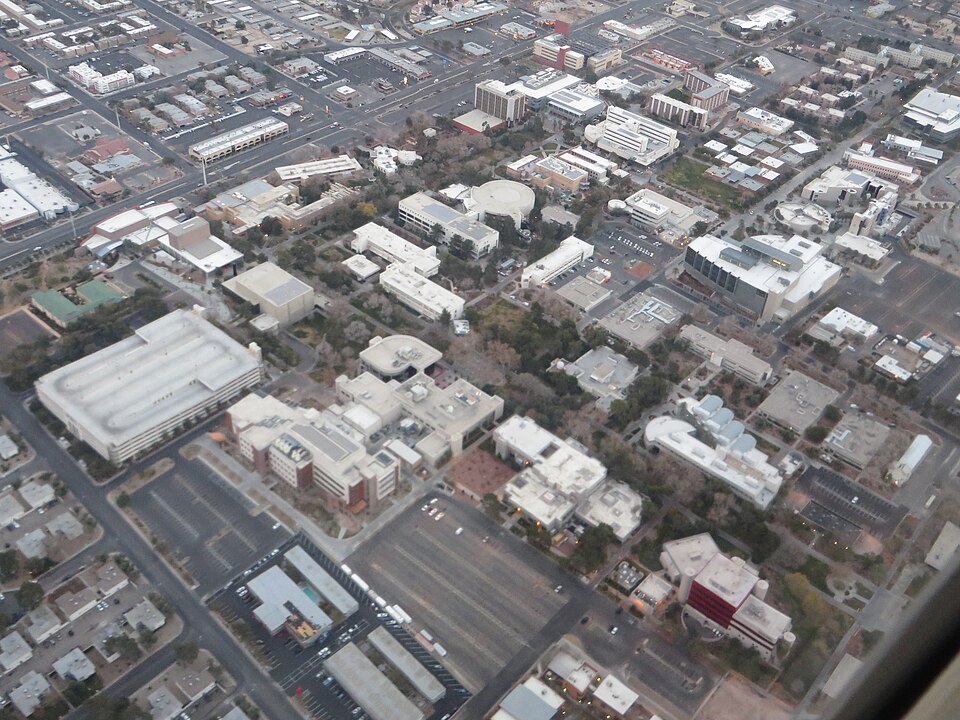
- Las Vegas, Nevada 89146-1164




After College
Source: College Scorecard / U.S. Department of Education
- Median Earnings (10 years)
- $38,087
- Median Earnings (5 years)
- $49,143
- Mean Earnings (6 years after entry)
- $31,800
- Loan Repayment Rate
- 31.2%
- Monthly Loan Payment
- $85/mo
- Median Debt at Graduation
- $8,000
Frequently Asked Questions
What are the admission requirements at College of Southern Nevada?
As a community college, College of Southern Nevada maintains an open enrollment policy for most programs. The school serves nearly 28,000 students who want affordable access to higher education in Las Vegas. Students can enroll directly without traditional admission barriers that four-year universities impose.
How much does College of Southern Nevada cost after financial aid?
Students pay an average net price of $6,329 annually at College of Southern Nevada. In-state tuition runs just $4,110, making this one of Nevada's most affordable college options. Low-income students with family earnings under $30,000 pay only $5,180 after aid.
What is the student-faculty ratio at College of Southern Nevada?
College of Southern Nevada maintains a 21:1 student-faculty ratio across its multiple campuses. The college focuses heavily on career preparation and workforce development programs that align with Las Vegas's hospitality and service economy. Students can choose from academic transfer paths or professional certification programs.
What are the graduation rates at College of Southern Nevada?
College of Southern Nevada reports a 17.9% six-year graduation rate, which reflects the part-time nature of many community college students. Many students transfer before completing degrees or attend while working full-time in Las Vegas's round-the-clock economy. The college serves a diverse population with 41% Hispanic enrollment and significant numbers of working adults.
Where are College of Southern Nevada's campuses located?
College of Southern Nevada operates multiple campuses throughout the Las Vegas metropolitan area. The college serves 98.6% in-state students who want to stay close to home while earning credentials. Las Vegas's growing population and tourism industry create strong demand for the college's hospitality and technical programs.
Does College of Southern Nevada offer athletic scholarships?
College of Southern Nevada provides $242,722 in athletic scholarships across nine NJCAA sports programs. The Coyotes field 180 total athletes in community college competition. Athletics offer another pathway for students to afford college while developing skills in this rapidly growing desert city.