About Community College of Baltimore County
Students pay an average net price of $6,643 after financial aid, making CCBC one of the most affordable pathways to higher education in Maryland. In-state tuition costs just $4,380 annually. Graduates earn a median of $43,729 ten years after starting, while typical student debt remains manageable at $11,528. The employment rate reaches 91.8%, demonstrating strong job placement success. Monthly loan payments average only $122, making debt burden relatively light for most graduates.
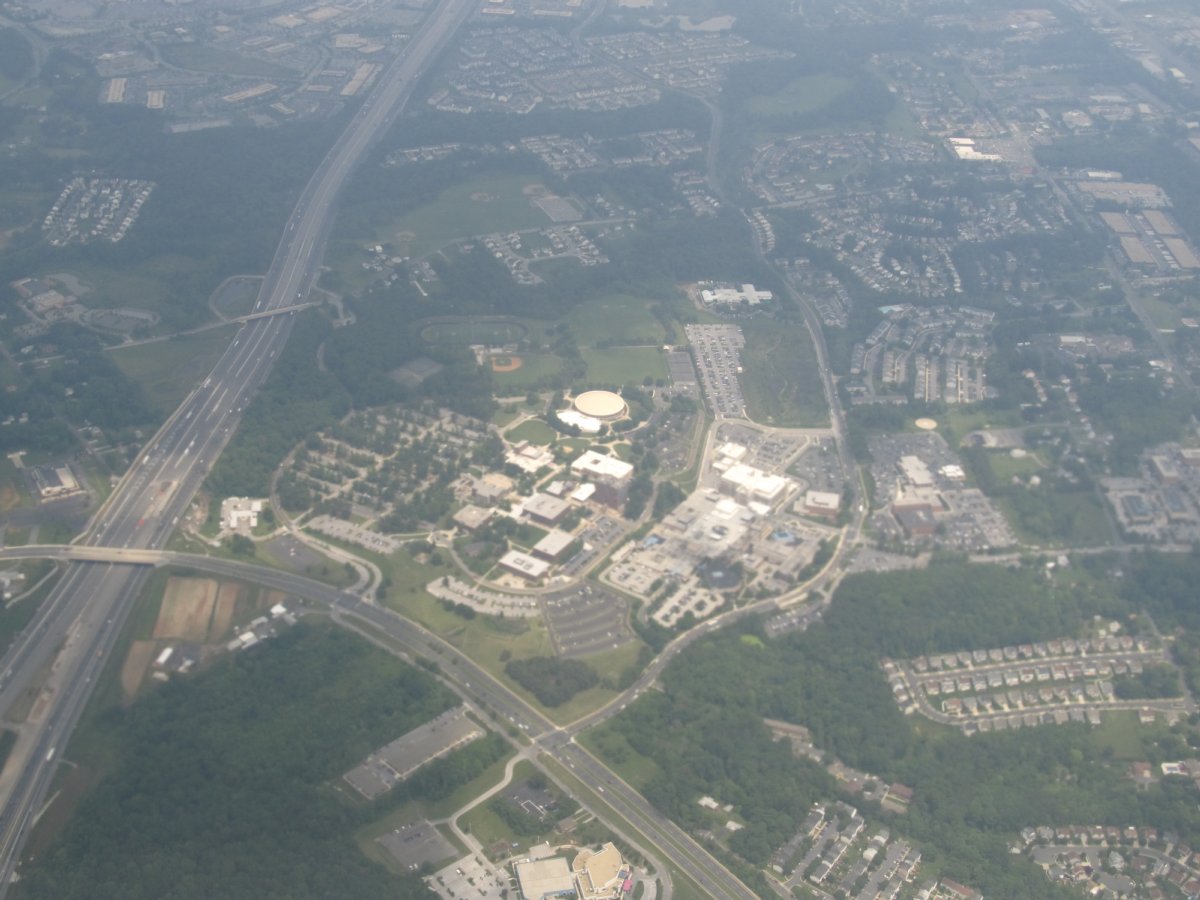
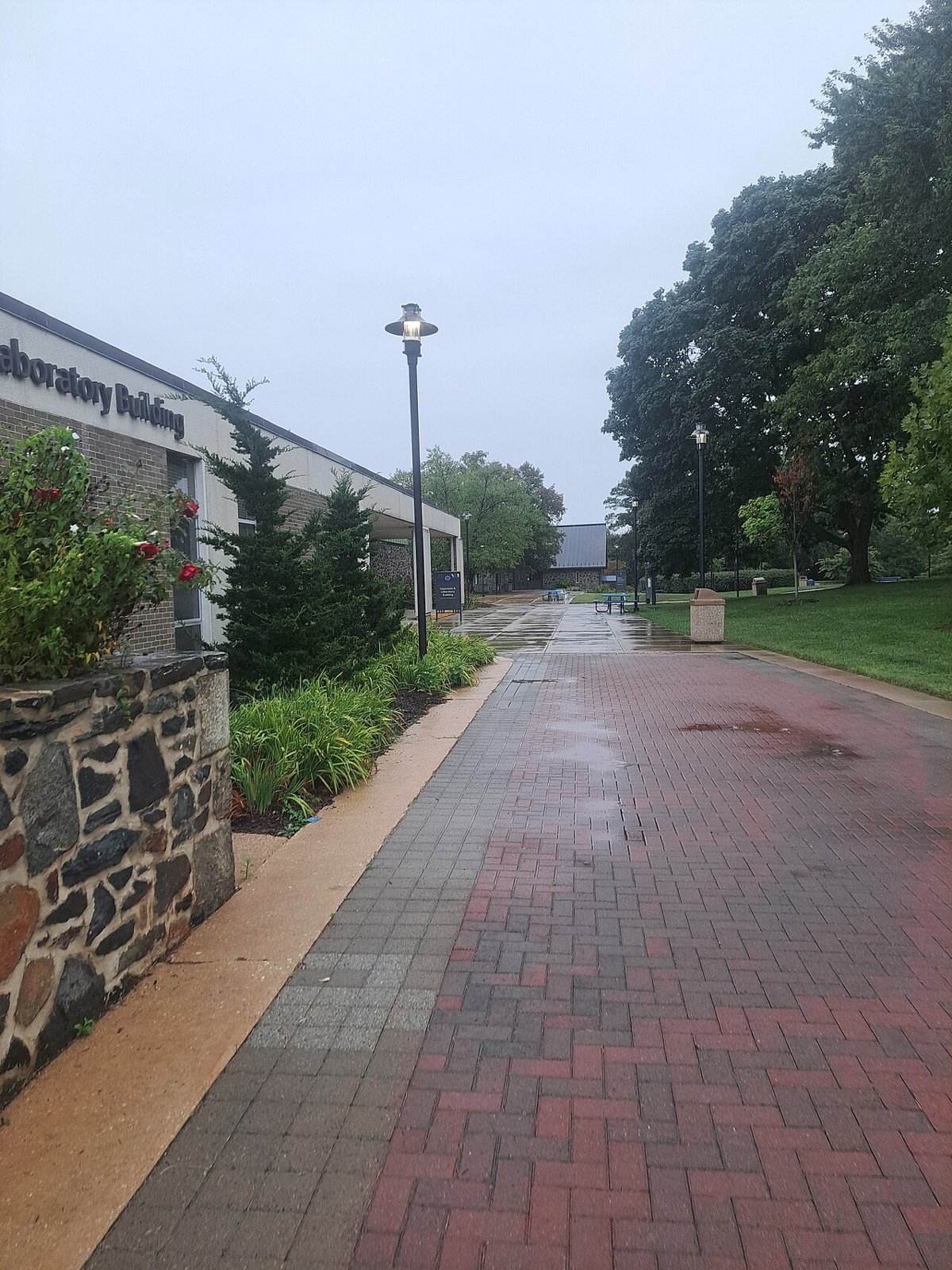
The student body reflects Baltimore's diversity, with 40% Black students and 31% White students creating a multicultural learning environment. Only 16% of students graduate within six years, typical for community colleges where many transfer or enter the workforce early. The Lions compete in nine varsity sports with 256 total athletes, providing opportunities beyond academics on the suburban campuses.
Academics & Faculty
Source: College Scorecard / U.S. Department of Education
- Student-to-Faculty Ratio
- 15:1
- Full-Time Faculty
- 32.1%
- Graduation Rate (6-year)
- 15.8%
- Median Earnings (10 years)
- $43,729
Popular Programs by Earnings
| Program | Level | Median Earnings |
|---|---|---|
| Dental Support Services and Allied Professions. | Associate | $67,420 |
| Allied Health Diagnostic, Intervention, and Treatment Professions. | Associate | $60,920 |
| Registered Nursing, Nursing Administration, Nursing Research and Clinical Nursing. | Associate | $58,576 |
| Criminal Justice and Corrections. | Certificate | $57,318 |
| Rehabilitation and Therapeutic Professions. | Associate | $53,608 |
| Criminal Justice and Corrections. | Associate | $49,458 |
| Computer Systems Networking and Telecommunications. | Associate | $44,747 |
| Business Administration, Management and Operations. | Associate | $39,741 |
| Medical Illustration and Informatics. | Associate | $39,009 |
| Mental and Social Health Services and Allied Professions. | Associate | $36,992 |
Campus Life
Winter in Maryland means you'll need a heavy coat from December through February, while humid summers require plenty of water bottles. The suburban campuses offer parking convenience but limited weekend activities. Most students work part-time jobs alongside their studies, with 91.8% finding employment after graduation. The Lions compete in nine varsity sports with 256 total athletes, though athletic culture takes a backseat to academics and career preparation. Students often form study groups for nursing, business, and transfer programs, then head to nearby Baltimore for entertainment. The commuter-heavy environment means weekends are typically quiet on campus, with students returning home to families or picking up extra work shifts.
- Setting
- Suburb-Large
- Calendar System
- Semester
- Study Abroad
- Available
- Founded
- 1957
Campus Safety (2023)
8 total reported incidents. Source: Clery Act / U.S. Department of Education
| Offense | On Campus | Residential | Noncampus | Public Property |
|---|---|---|---|---|
| Stalking | 3 | 0 | 0 | 0 |
| Arson | 2 | 0 | 0 | 0 |
| Domestic Violence | 1 | 0 | 0 | 0 |
| Fondling | 1 | 0 | 0 | 0 |
| Motor Vehicle Theft | 1 | 0 | 0 | 0 |
Climate & Weather
- January Avg
- 30°–43°F
- July Avg
- 72°–90°F
- Annual Precipitation
- 43.7"
- Annual Snowfall
- 19.3"
Student Demographics
- Men
- 36.8%
- Women
- 63.2%
- White
- 31.5%
- Black
- 39.8%
- Hispanic
- 8.0%
- Asian
- 5.7%
- In-State Students
- 92.0%
- Pell Grant Recipients
- 32.9%
Location
- Address
- Baltimore, Maryland 21237
After College
Source: College Scorecard / U.S. Department of Education
- Median Earnings (10 years)
- $43,729
- Median Earnings (5 years)
- $57,782
- Mean Earnings (6 years after entry)
- $30,800
- Loan Repayment Rate
- 32.3%
- Monthly Loan Payment
- $122/mo
- Median Debt at Graduation
- $11,528
Frequently Asked Questions
What are the admission requirements at Community College of Baltimore County?
CCBC has open admission, meaning any high school graduate or GED holder can enroll. The college serves 13,195 students across three campuses in Baltimore's suburbs. Most students come from Maryland, with 92% being in-state residents.
How much does Community College of Baltimore County cost after financial aid?
Students pay an average net price of $6,643 after aid, with in-state tuition set at $4,380. About 33% of students receive Pell Grants, and low-income families earning under $30,000 pay just $5,145 net. The college keeps costs accessible for working adults and traditional students.
What is the student-faculty ratio at Community College of Baltimore County?
CCBC maintains a 15:1 student-faculty ratio, providing reasonable class sizes for a community college. The college operates on a semester system and focuses heavily on career preparation and transfer programs. Women make up 63% of the student body, reflecting the college's appeal to non-traditional students.
What are job prospects like for Community College of Baltimore County graduates?
Graduates achieve a 91.8% employment rate, with median earnings of $43,729 ten years after enrollment. The college excels at workforce development, particularly in healthcare, business, and technical fields. However, the 15.8% six-year graduation rate reflects the challenges many part-time and working students face.
Where are Community College of Baltimore County's campuses located?
CCBC operates three main campuses in Baltimore's large suburban communities, serving the greater metropolitan area. The college draws from a diverse population that is 40% Black and 31% White. The suburban setting provides easy access for commuter students while maintaining connections to Baltimore's job market.
Does Community College of Baltimore County offer athletics?
The Lions compete in the NCCAA with 9 varsity sports and 256 total athletes. The college awards $229,086 in athletic scholarships annually. While athletics exist, CCBC's primary focus remains on academics and career preparation rather than sports prominence.