About Contra Costa College
The financial picture makes sense for most families. Students from households earning under $30,000 pay just $5,586 after aid, while even middle-income families face reasonable costs. Graduates earn a median of $40,850 ten years after starting, though loan repayment remains challenging with only 28% successfully paying down their debt. The low federal loan rate of 1.36% means most students avoid significant borrowing.
The student body reflects the East Bay's diversity, with 45% Hispanic students, 17% Asian, and 15% Black students creating a multicultural learning environment. Women make up 60% of enrollment. The Comets field six varsity sports with 148 total athletes, though the college offers no athletic scholarships. With 93% of students coming from California, this feels like a hometown institution serving local communities with practical education pathways.
Academics & Faculty
Source: College Scorecard / U.S. Department of Education
- Student-to-Faculty Ratio
- 20:1
- Full-Time Faculty
- 39.6%
- Graduation Rate (6-year)
- 33.0%
- Median Earnings (10 years)
- $40,850
Campus Life
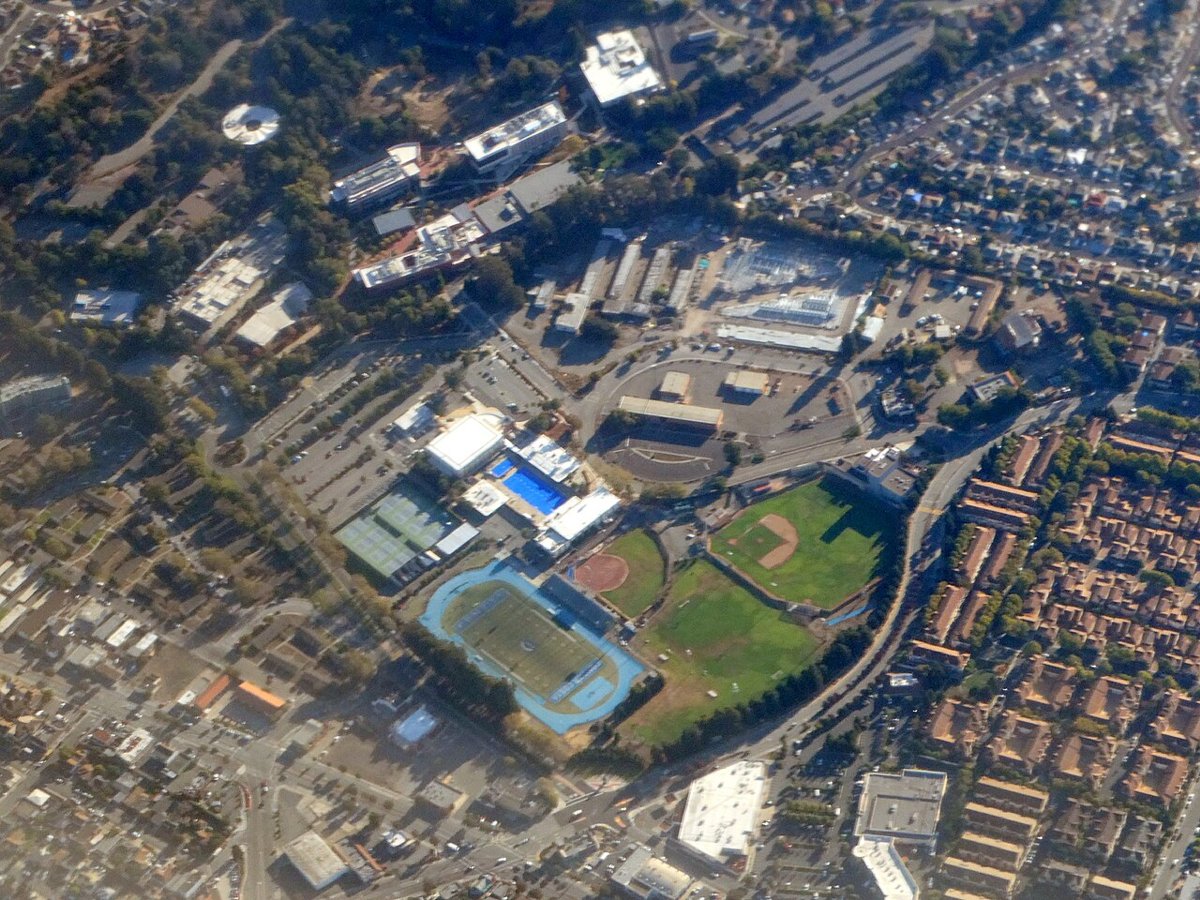
With 4,805 students and no dormitories, campus life revolves around class schedules and study groups between courses. The student-faculty ratio of 20:1 creates smaller classroom discussions than you'd find at large universities. Many students work part-time jobs while taking classes, reflected in the 23% receiving Pell Grants.
Weekend activities often involve exploring nearby Berkeley or Oakland rather than campus events. The Comets field six varsity sports teams with 148 total athletes, though athletics take a backseat to academics for most students focused on transferring to four-year schools. Students from 94% in-state enrollment often commute from throughout the East Bay, creating a diverse but less residential college experience.
- Setting
- Suburb-Large
- Calendar System
- Semester
- Study Abroad
- Available
- Founded
- 1950
Campus Safety (2023)
8 total reported incidents. Source: Clery Act / U.S. Department of Education
| Offense | On Campus | Residential | Noncampus | Public Property |
|---|---|---|---|---|
| Burglary | 6 | 0 | 0 | 0 |
| Aggravated Assault | 1 | 0 | 0 | 0 |
| Motor Vehicle Theft | 1 | 0 | 0 | 0 |
Climate & Weather
- January Avg
- 44°–58°F
- July Avg
- 55°–70°F
- Annual Precipitation
- 24.4"
- Annual Snowfall
- 0.0"
Student Demographics
- Men
- 39.9%
- Women
- 60.1%
- White
- 11.7%
- Black
- 15.0%
- Hispanic
- 45.5%
- Asian
- 17.0%
- In-State Students
- 93.5%
- Pell Grant Recipients
- 23.2%
Location
- Address
- San Pablo, California 94806
After College
Source: College Scorecard / U.S. Department of Education
- Median Earnings (10 years)
- $40,850
- Median Earnings (5 years)
- $103,363
- Mean Earnings (6 years after entry)
- $29,200
- Loan Repayment Rate
- 27.8%
Frequently Asked Questions
What are the admission requirements at Contra Costa College?
Contra Costa College operates under California's open enrollment policy for community colleges, meaning most students can enroll without traditional admission barriers. The college serves 4,805 students and welcomes anyone 18 or older with a high school diploma or equivalent. This accessibility makes it a popular starting point for students planning to transfer to four-year universities.
How much does Contra Costa College cost after financial aid?
The average net price at Contra Costa College is $6,522 annually, though costs vary by family income. Students from families earning under $30,000 pay just $5,586 after aid, while those from higher-income families may pay up to $11,545. Only 23.21% of students receive federal financial aid, reflecting the college's already low in-state tuition of $1,312.
What academic programs is Contra Costa College known for?
Contra Costa College focuses on transfer preparation and career training programs typical of California community colleges. With a 20:1 student-faculty ratio, the college provides accessible education in the East Bay region. The institution particularly serves students planning to transfer to four-year universities or seeking workforce development in various technical fields.
What are the graduation rates and career outcomes at Contra Costa College?
Contra Costa College has a 33% six-year graduation rate, which reflects the varied paths community college students take. Graduates earn a median salary of $40,850 ten years after enrollment, demonstrating the value of the college's career-focused programs. The loan repayment rate of 27.76% indicates that most students graduate with manageable debt levels.
Where is Contra Costa College located and what is campus life like?
The college sits in San Pablo, California, a large suburban setting in the East Bay area. With 93.47% of students coming from in-state, the campus serves as a local educational center for the diverse surrounding community. The Comets compete in six varsity sports with 148 total athletes, though the college offers no athletic scholarships.
How diverse is the student body at Contra Costa College?
Contra Costa College reflects the rich diversity of the East Bay, with 45.49% Hispanic students, 17.04% Asian students, and 14.96% Black students. Women make up 60.08% of the student body, which is typical for community colleges nationwide. This demographic mix creates a multicultural learning environment that mirrors the broader San Pablo community.