About Culinary Institute of America
Students pay an average net price of $31,864 after financial aid, with total costs reaching $53,090 annually. Graduates earn a median of $47,475 ten years after graduation, though early career salaries start around $30,591. The typical debt load of $15,750 translates to monthly loan payments of just $167, making the investment manageable for most graduates. With a 96.1% employment rate, finding work isn't the challenge, it's building a sustainable career in the notoriously demanding food industry.
The gender split runs nearly even at 50% male and 49% female, unusual for a field historically dominated by men. Only 19% of students come from New York, drawing aspiring chefs from across the country to this culinary mecca.
Academics & Faculty
Source: College Scorecard / U.S. Department of Education
- Student-to-Faculty Ratio
- 19:1
- Full-Time Faculty
- 100.0%
- Graduation Rate (4-year)
- 67.9%
- Graduation Rate (6-year)
- 64.7%
- Retention Rate
- 75.1%
- Median Earnings (10 years)
- $47,475
Popular Programs by Earnings
| Program | Level | Median Earnings |
|---|---|---|
| Culinary Arts and Related Services. | Certificate | $51,690 |
| Hospitality Administration/Management. | Bachelor | $38,746 |
| Culinary Arts and Related Services. | Associate | $32,753 |
Campus Life
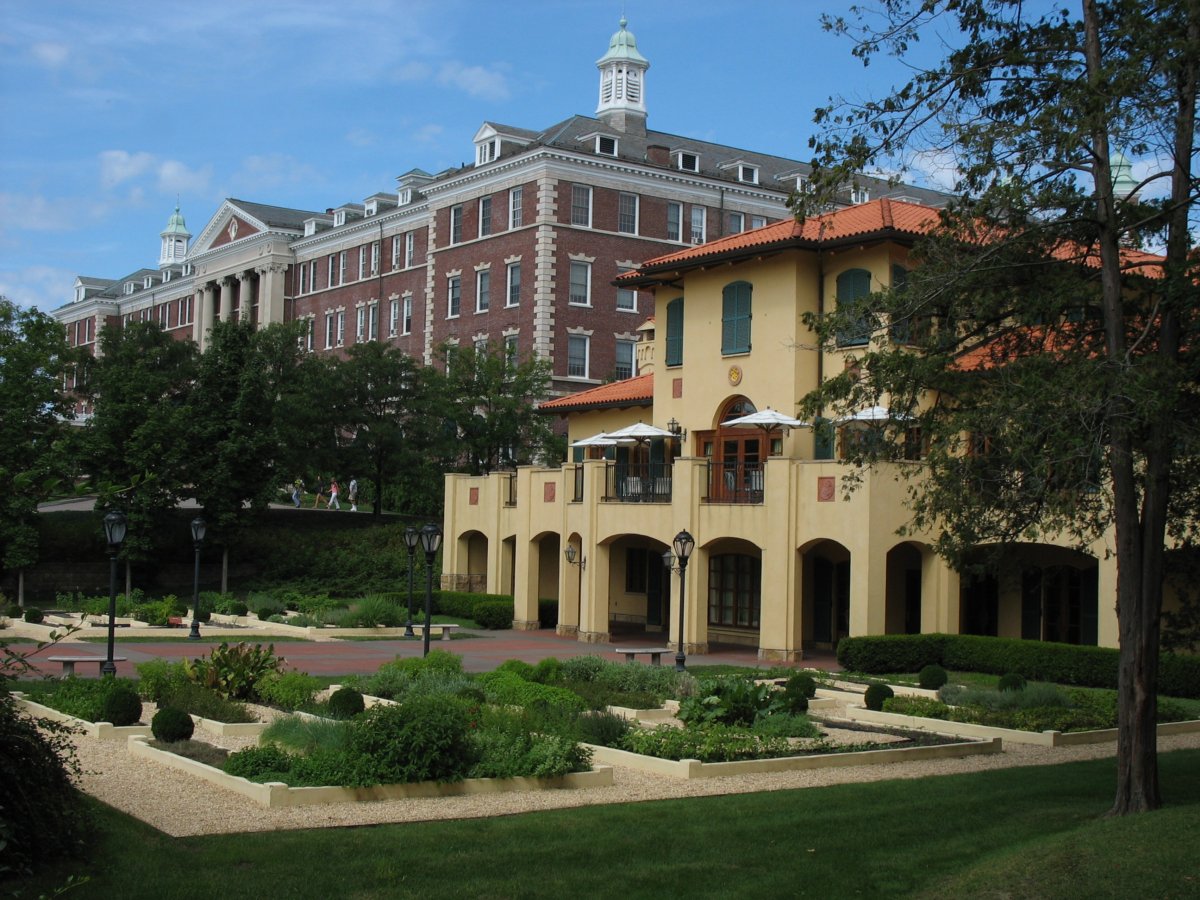
Students spend weekends exploring the nearby Walkway Over the Hudson or hitting up local farms for ingredients. The 19:1 student-faculty ratio means plenty of hands-on instruction in professional kitchens that mirror real restaurant environments. Many students work part-time at campus restaurants or nearby establishments, gaining experience while earning money. The campus buzzes with activity as students practice knife skills, perfect sauces, and compete in cooking competitions. Weekend trips to New York City are common for restaurant research and culinary inspiration. With a 96.1% employment rate, students often network at industry events and guest chef demonstrations that happen regularly on campus.
- Setting
- Suburb-Large
- Housing Capacity
- 1,971 beds
- Calendar System
- Semester
- Study Abroad
- Available
- Founded
- 1946
Campus Safety (2023)
20 total reported incidents. Source: Clery Act / U.S. Department of Education
| Offense | On Campus | Residential | Noncampus | Public Property |
|---|---|---|---|---|
| Fondling | 7 | 2 | 0 | 0 |
| Rape | 3 | 3 | 0 | 0 |
| Stalking | 3 | 2 | 0 | 0 |
Climate & Weather
- January Avg
- 18°–35°F
- July Avg
- 63°–83°F
- Annual Precipitation
- 47.2"
- Annual Snowfall
- 59.2"
Student Demographics
- Men
- 50.2%
- Women
- 49.8%
- White
- 46.8%
- Black
- 7.4%
- Hispanic
- 19.7%
- Asian
- 7.0%
- In-State Students
- 19.3%
- Pell Grant Recipients
- 27.9%
Location
- Address
- Hyde Park, New York 12538-1499

After College
Source: College Scorecard / U.S. Department of Education
- Median Earnings (10 years)
- $47,475
- Median Earnings (5 years)
- $42,127
- Mean Earnings (6 years after entry)
- $37,300
- Loan Repayment Rate
- 75.4%
- Monthly Loan Payment
- $167/mo
- Median Debt at Graduation
- $15,750
Frequently Asked Questions
What is the acceptance rate at the Culinary Institute of America?
The Culinary Institute of America accepts 94.86% of applicants, making it highly accessible for aspiring culinary professionals. The school focuses more on passion for food and hospitality than academic statistics, with an average SAT score of 1110.
How much does the Culinary Institute of America cost after financial aid?
Students pay an average net price of $31,864 annually at the Culinary Institute of America, down from the total cost of $53,090. Only 27.89% of students receive financial aid, and graduates carry a median debt of just $15,750, which is relatively low for a specialized professional program.
What makes the academic programs at the Culinary Institute of America unique?
The Culinary Institute of America is America's top culinary college, training future chefs and food industry leaders with hands-on professional kitchen experience. With a 19:1 student-faculty ratio, students learn from working professionals in the industry's most respected program.
How much do Culinary Institute of America graduates earn?
Graduates earn a median of $47,475 ten years after graduation, with an impressive 96.1% employment rate in the competitive food service industry. The school's reputation opens doors to top restaurants and hotels, with notable alumni including Anthony Bourdain and Grant Achatz.
Where is the Culinary Institute of America campus located?
The main campus sits in Hyde Park, New York, in the scenic Hudson Valley with 1,971 students living on campus. The suburban setting provides a focused environment for culinary training while remaining accessible to New York City's restaurant scene.
Does the Culinary Institute of America have famous graduates?
The school has produced legendary figures like Anthony Bourdain, Iron Chefs Cat Cora and Michael Symon, and molecular gastronomy pioneer Grant Achatz. These alumni have shaped modern American cuisine and elevated the culinary profession to new heights of creativity and recognition.