

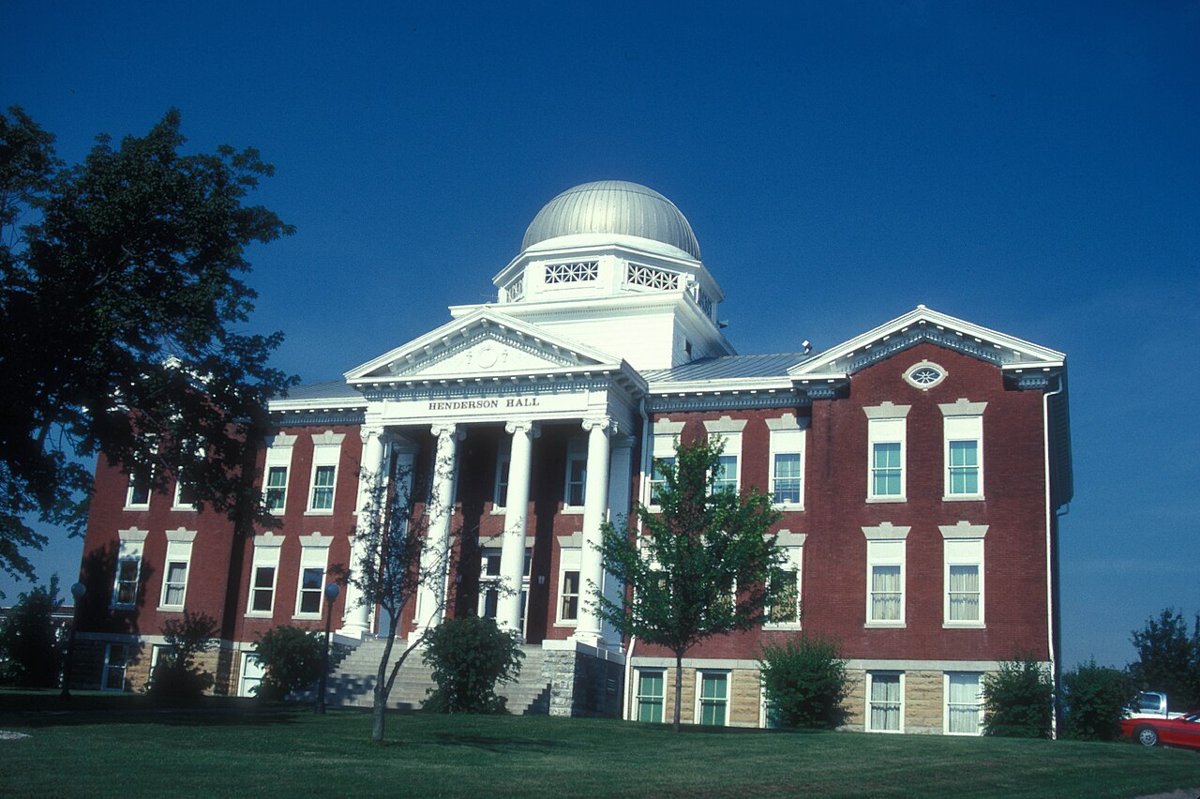
About Culver-Stockton College
Most students pay around $22,080 after financial aid, less than the sticker price of nearly $30,000. Graduates earn a median of $46,092 ten years after college, while carrying typical debt loads of $26,000. The monthly loan payment of $276 represents a manageable burden for most graduates. Students from lower-income families pay even less, with those from families earning under $30,000 paying just $16,859 net.
Athletics dominate campus life at this NJCAA school, with 578 athletes competing across 16 varsity sports. Over half the student body participates in athletics, creating a sports-centered social scene. The 67.30% retention rate suggests some students struggle to adjust to the remote rural setting. However, those who stay often thrive in the close community atmosphere that defines the Wildcat experience.
Academics & Faculty
Source: College Scorecard / U.S. Department of Education
- Student-to-Faculty Ratio
- 17:1
- Full-Time Faculty
- 64.0%
- Graduation Rate (4-year)
- 49.3%
- Graduation Rate (6-year)
- 50.2%
- Retention Rate
- 67.3%
- Median Earnings (10 years)
- $46,092
- Carnegie Classification
- Baccalaureate College
Popular Programs by Earnings
| Program | Level | Median Earnings |
|---|---|---|
| Registered Nursing, Nursing Administration, Nursing Research and Clinical Nursing. | Bachelor | $55,964 |
| Business Administration, Management and Operations. | Bachelor | $40,281 |
| Criminal Justice and Corrections. | Bachelor | $31,305 |
| Teacher Education and Professional Development, Specific Levels and Methods. | Bachelor | $30,305 |
| Health and Physical Education/Fitness. | Bachelor | $28,236 |
| Psychology, General. | Bachelor | $26,585 |
Campus Life
The 17:1 student-faculty ratio means professors know your name and notice when you miss class. With 578 athletes among 884 total students, over half the campus competes in one of 16 varsity sports for the Wildcats. The NJCAA athletic programs dominate weekend social life in a town with few other entertainment options. Students often drive to St. Louis or Kansas City for concerts and shopping trips.
The Christian Church (Disciples of Christ) affiliation shapes campus culture without being overwhelming. The 67.3% retention rate reflects the challenge some students face adjusting to rural isolation after freshman year. Those who stay build tight friendships in residence halls and find mentorship opportunities that larger schools can't match.
- Setting
- Rural-Remote
- Housing Capacity
- 843 beds
- Calendar System
- Semester
- Study Abroad
- Available
Campus Safety (2023)
8 total reported incidents. Source: Clery Act / U.S. Department of Education
| Offense | On Campus | Residential | Noncampus | Public Property |
|---|---|---|---|---|
| Rape | 3 | 3 | 0 | 0 |
| Stalking | 1 | 1 | 0 | 0 |
Climate & Weather
- January Avg
- 17°–34°F
- July Avg
- 66°–86°F
- Annual Precipitation
- 39.5"
- Annual Snowfall
- 0.0"
Student Demographics
- Men
- 55.1%
- Women
- 44.9%
- White
- 68.0%
- Black
- 15.5%
- Hispanic
- 6.9%
- Asian
- 0.7%
- In-State Students
- 33.7%
- Pell Grant Recipients
- 35.8%
Location
- Address
- Canton, Missouri 63435-1299
After College
Source: College Scorecard / U.S. Department of Education
- Median Earnings (10 years)
- $46,092
- Median Earnings (5 years)
- $50,883
- Mean Earnings (6 years after entry)
- $33,700
- Loan Repayment Rate
- 52.5%
- Monthly Loan Payment
- $276/mo
- Median Debt at Graduation
- $26,000
Frequently Asked Questions
What is the acceptance rate at Culver-Stockton College?
Culver-Stockton accepts 96.95% of applicants with an average ACT score of 24. This rural Missouri college welcomes most students who apply, focusing on building a close-knit community rather than selective admissions.
How much does Culver-Stockton College cost after financial aid?
Students pay an average net price of $22,080 annually, less than the sticker price of $40,520. The college provides institutional grants averaging $21,686 to 27.38% of students, making this Christian liberal arts education more affordable.
What is the student-faculty ratio at Culver-Stockton College?
The student-faculty ratio is 17:1 among the 884 enrolled students. This small liberal arts college emphasizes personalized education and close mentoring relationships between professors and students.
What do graduates of Culver-Stockton College earn after graduation?
Alumni earn a median salary of $46,092 ten years after graduation with typical monthly loan payments of $276. About 50.20% of students graduate within six years, and the employment rate reaches 96.9%.
Where is Culver-Stockton College located and what is campus life like?
The college sits in rural Canton, Missouri with housing capacity for 843 students. With a 67.30% retention rate and 578 student athletes competing in 16 varsity sports, campus life revolves around tight community bonds typical of small college towns.
How athletic is Culver-Stockton College?
An impressive 65% of the student body participates in varsity athletics as Wildcats competing in NJCAA divisions. The college awards $2,482,482 in athletic scholarships across 16 sports, making it one of the most athletic-focused small colleges in Missouri.
Similar Schools
Central Methodist University-College of Liberal Arts and Sciences
Fayette, Missouri

Urshan College
Wentzville, Missouri
Ozark Christian College
Joplin, Missouri
Fontbonne University
Saint Louis, Missouri
Midwestern Baptist Theological Seminary
Kansas City, Missouri

Bethel College-North Newton
North Newton, Kansas