About Cumberland University
The financial picture looks reasonable for a private school. Students pay an average net price of $18,292 after aid, which is much less than the sticker price of $39,400. Graduates earn a median of $57,687 ten years after leaving school, while carrying typical debt of $17,952. The math works out to monthly loan payments of about $190, which is manageable on those post-graduation salaries. About 33% of students receive Pell Grants, showing Cumberland serves middle-class families alongside wealthier ones.
Cumberland fields 22 varsity sports teams called the Phoenix, competing in NAIA with 402 student-athletes. The school gives out nearly $8 million in athletic scholarships, making sports a real pathway to affordable education. With 90% of students coming from Tennessee, you'll be surrounded by people who understand Southern culture and values.
Academics & Faculty
Source: College Scorecard / U.S. Department of Education
- Student-to-Faculty Ratio
- 18:1
- Full-Time Faculty
- 36.1%
- Graduation Rate (4-year)
- 47.7%
- Graduation Rate (6-year)
- 47.0%
- Retention Rate
- 62.2%
- Median Earnings (10 years)
- $57,687
- Carnegie Classification
- Master's University (Medium)
Popular Programs by Earnings
| Program | Level | Median Earnings |
|---|---|---|
| Business Administration, Management and Operations. | Master | $69,338 |
| Registered Nursing, Nursing Administration, Nursing Research and Clinical Nursing. | Bachelor | $56,415 |
| Public Administration. | Master | $46,087 |
| Teacher Education and Professional Development, Specific Subject Areas. | Master | $41,937 |
| Health and Physical Education/Fitness. | Master | $41,565 |
| Education, General. | Master | $41,261 |
| Criminal Justice and Corrections. | Bachelor | $31,314 |
| Biology, General. | Bachelor | $28,960 |
| Teacher Education and Professional Development, Specific Subject Areas. | Bachelor | $28,598 |
Campus Life
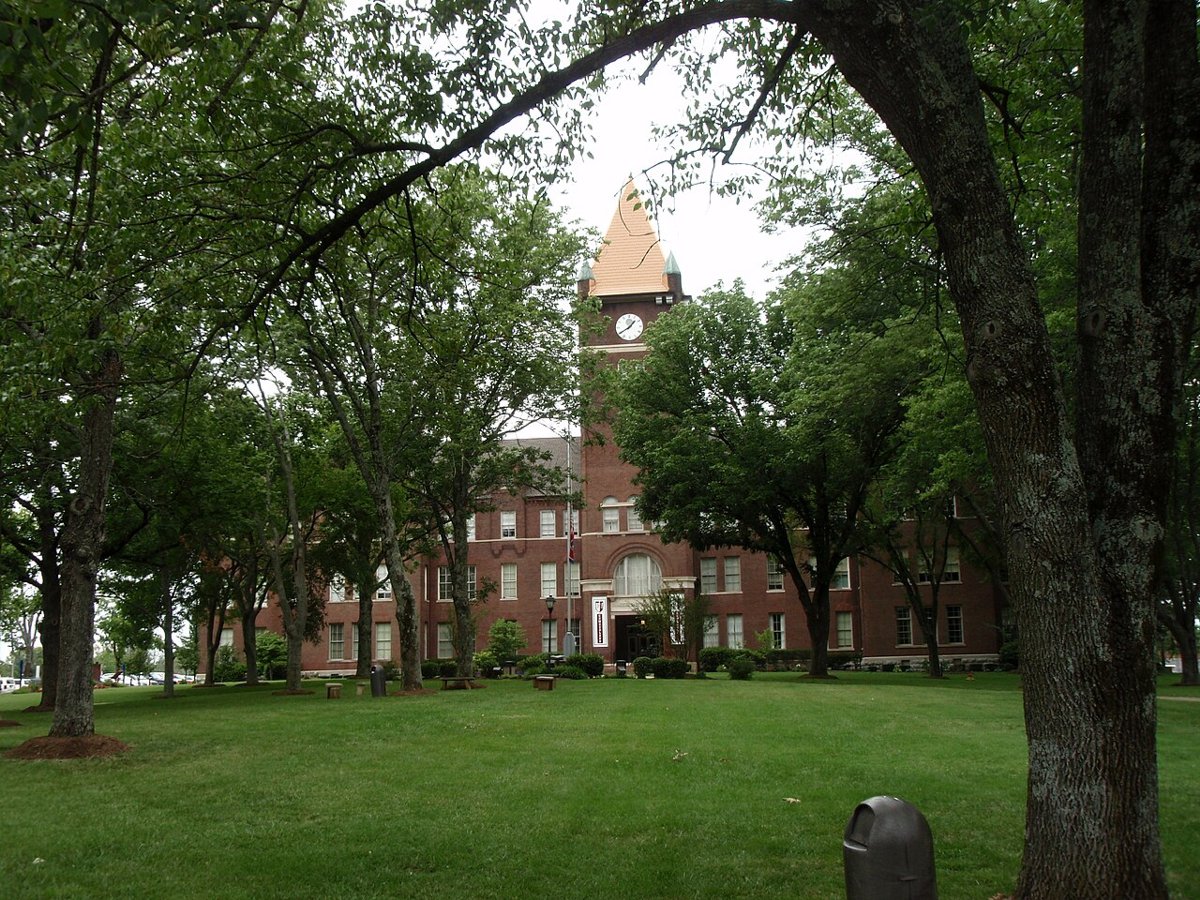
Tennessee weather means you'll need both a winter coat and plenty of sunscreen. Winters rarely drop below freezing for long, but summers can hit 90 degrees with sticky humidity. The Phoenix athletics program draws serious attention with 402 athletes competing in 22 NAIA sports, and game days bring much of the campus together. Students often head to Nashville on weekends for concerts, internships, or just city life, then return to Lebanon's quieter pace for studying. The small-town setting means fewer distractions during the week, but you're never more than a 45-minute drive from Broadway's honky-tonks or the Grand Ole Opry.
- Setting
- Town-Fringe
- Housing Capacity
- 625 beds
- Calendar System
- Semester
- Study Abroad
- Available
- Founded
- 1842
Campus Safety (2023)
No reported Clery Act crimes in 2023.
Climate & Weather
- January Avg
- 26°–46°F
- July Avg
- 67°–89°F
- Annual Precipitation
- 120.8"
- Annual Snowfall
- -774.7"
Student Demographics
- Men
- 45.5%
- Women
- 54.6%
- White
- 55.6%
- Black
- 10.9%
- Hispanic
- 8.9%
- Asian
- 1.5%
- In-State Students
- 90.4%
- Pell Grant Recipients
- 32.5%
Location
- Address
- Lebanon, Tennessee 37087
After College
Source: College Scorecard / U.S. Department of Education
- Median Earnings (10 years)
- $57,687
- Median Earnings (5 years)
- $69,575
- Mean Earnings (6 years after entry)
- $37,200
- Loan Repayment Rate
- 62.6%
- Monthly Loan Payment
- $190/mo
- Median Debt at Graduation
- $17,952
Frequently Asked Questions
What is the acceptance rate at Cumberland University?
Cumberland University accepts 66.21% of applicants, making it moderately selective. The school attracts primarily Tennessee residents, with 90.36% of students coming from in-state.
How much does Cumberland University cost after financial aid?
Students pay an average net price of $18,292 after aid, below the sticker price of $27,840 for tuition. The school provides institutional grants averaging $22,145 to 28.49% of students, helping make this historic 1842 institution more affordable.
What is the student-faculty ratio at Cumberland University?
Cumberland maintains an 18:1 student-faculty ratio across its 2,053 students. The university operates on a semester system and has built a reputation for personalized attention in its town-fringe Lebanon setting.
What are the graduation rates at Cumberland University?
Cumberland graduates 47.67% of students in four years, with the six-year rate reaching 47.00%. While these rates reflect challenges common to smaller private universities, graduates earn a median salary of $57,687 ten years after graduation.
Where do Cumberland University students live on campus?
The university houses students in facilities with a capacity of 625, serving a portion of the 2,053 total enrollment. Room and board costs $10,360, contributing to a total attendance cost of $39,400 for this residential campus experience.
How strong is athletics at Cumberland University?
Cumberland competes in NAIA athletics with 22 varsity sports and 402 total athletes representing the Phoenix. The university invests $7,936,396 in athletic scholarships, reflecting its commitment to competitive sports as part of the campus culture.