About CUNY City College
The financial picture tells a compelling story about accessible education. Students pay an average net price of just $3,486 after aid, while graduates earn a median of $66,039 ten years after graduation. With typical debt of only $11,990 and monthly loan payments around $127, City College delivers strong return on investment. Nearly 60% of students receive Pell Grants, reflecting the school's mission to serve working-class families.
The student body mirrors New York's diversity, with 40% Hispanic students, 25% Asian students, and strong representation across all backgrounds. The 54.7% six-year graduation rate reflects the reality that many students work while studying. With 92% of students from New York state and limited on-campus housing for just 589 students, this remains a distinctly local institution where commuter students build careers without breaking budgets.
Academics & Faculty
Source: College Scorecard / U.S. Department of Education
- Student-to-Faculty Ratio
- 14:1
- Full-Time Faculty
- 39.6%
- Graduation Rate (4-year)
- 56.7%
- Graduation Rate (6-year)
- 54.7%
- Retention Rate
- 78.6%
- Median Earnings (10 years)
- $66,039
- Carnegie Classification
- Doctoral University (R2)
Popular Programs by Earnings
| Program | Level | Median Earnings |
|---|---|---|
| Allied Health Diagnostic, Intervention, and Treatment Professions. | Bachelor | $115,339 |
| Educational Administration and Supervision. | Master | $98,974 |
| Information Science/Studies. | Master | $84,653 |
| Electrical, Electronics and Communications Engineering. | Master | $73,949 |
| Public Relations, Advertising, and Applied Communication. | Master | $69,338 |
| Mechanical Engineering. | Bachelor | $68,618 |
| Sustainability Studies. | Master | $68,219 |
| Teaching English or French as a Second or Foreign Language. | Master | $66,653 |
| Special Education and Teaching. | Master | $65,170 |
| Teacher Education and Professional Development, Specific Subject Areas. | Master | $65,131 |
Campus Life
The student body reflects New York's diversity with 40.29% Hispanic students and 24.66% Asian students creating a truly international feel. Many students work part-time jobs to help with expenses, which explains the high employment rate of 90.4%. Weekends often mean heading home to family or exploring the city rather than typical college parties. The Beavers compete in 14 NCAA Division III sports, though with only 208 total athletes, most social life happens off the field. Students grab food at the numerous Dominican and West African restaurants surrounding campus. The 14:1 student-faculty ratio means professors actually know your name, unusual for a school this size.
- Setting
- City-Large
- Housing Capacity
- 589 beds
- Calendar System
- Semester
- Study Abroad
- Available
Campus Safety (2023)
21 total reported incidents. Source: Clery Act / U.S. Department of Education
| Offense | On Campus | Residential | Noncampus | Public Property |
|---|---|---|---|---|
| Motor Vehicle Theft | 5 | 0 | 0 | 0 |
| Burglary | 3 | 1 | 0 | 0 |
| Robbery | 2 | 0 | 0 | 2 |
| Aggravated Assault | 0 | 0 | 0 | 3 |
| Fondling | 1 | 1 | 0 | 0 |
| Rape | 1 | 1 | 0 | 0 |
| Arson | 1 | 0 | 0 | 0 |
Climate & Weather
- January Avg
- 27°–39°F
- July Avg
- 70°–84°F
- Annual Precipitation
- 49.5"
- Annual Snowfall
- 29.8"
Student Demographics
- Men
- 49.0%
- Women
- 51.0%
- White
- 11.7%
- Black
- 15.8%
- Hispanic
- 40.3%
- Asian
- 24.7%
- In-State Students
- 91.6%
- Pell Grant Recipients
- 59.6%
Location
- Address
- New York, New York 10031
After College
Source: College Scorecard / U.S. Department of Education
- Median Earnings (10 years)
- $66,039
- Median Earnings (5 years)
- $67,227
- Mean Earnings (6 years after entry)
- $36,800
- Loan Repayment Rate
- 52.6%
- Monthly Loan Payment
- $127/mo
- Median Debt at Graduation
- $11,990
Frequently Asked Questions
What is the acceptance rate at CUNY City College?
CUNY City College accepts 66.6% of applicants, making it moderately selective for a public research university. The school draws heavily from local students, with 91.6% coming from New York State. City College has built its reputation as an accessible pathway to quality education in engineering and liberal arts.
How much does CUNY City College cost after financial aid?
Students pay an average net price of just $3,486 after financial aid, making it one of the most affordable options in New York City. Nearly 60% of students receive Pell Grants, reflecting the school's commitment to serving working-class families. Students from families earning under $30,000 pay only $1,579 net.
What academic programs is CUNY City College known for?
City College built its reputation on strong engineering programs and remains a top choice for students seeking technical degrees. The student-faculty ratio of 14:1 allows for meaningful interaction with professors. The school has produced notable graduates including Colin Powell and mathematician Felix Klein.
What are the graduation rates and job prospects at CUNY City College?
The six-year graduation rate stands at 54.7%, which reflects the school's working-class student body who often attend part-time. Graduates earn a median salary of $66,039 ten years after graduation, demonstrating strong career outcomes. The employment rate reaches 90.4%, showing employers value City College degrees.
Where do students live at CUNY City College?
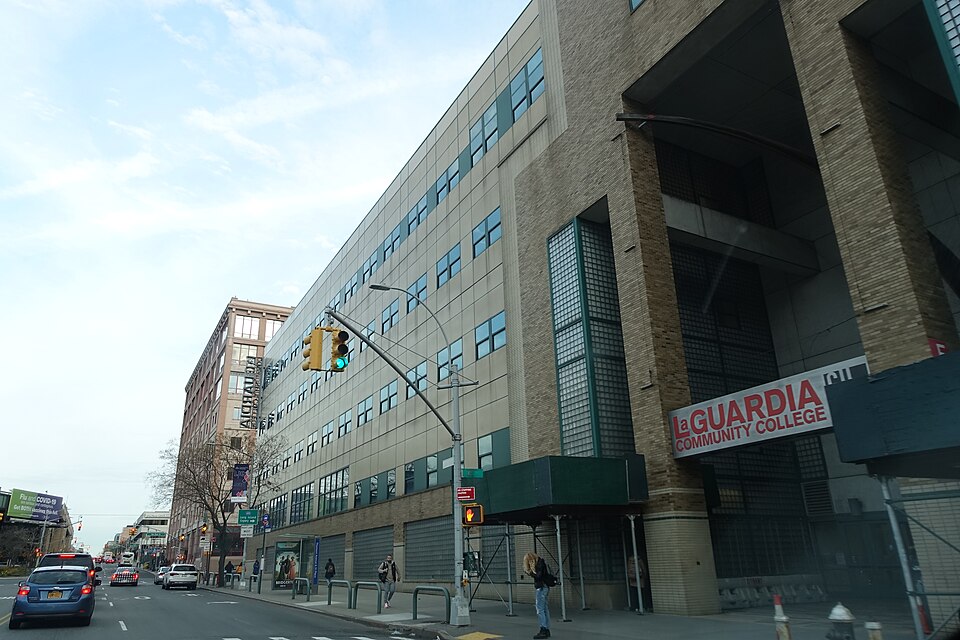
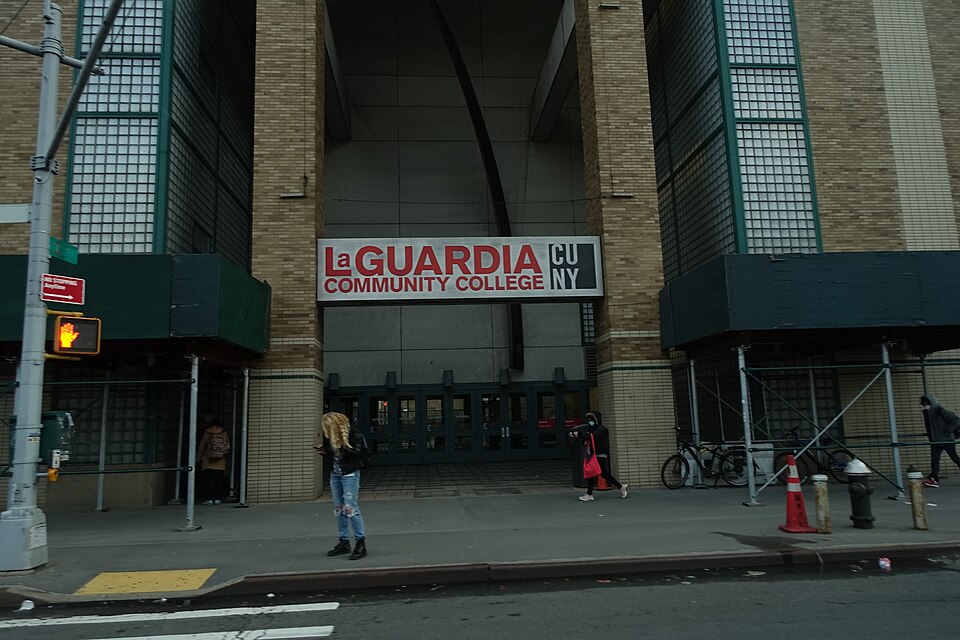
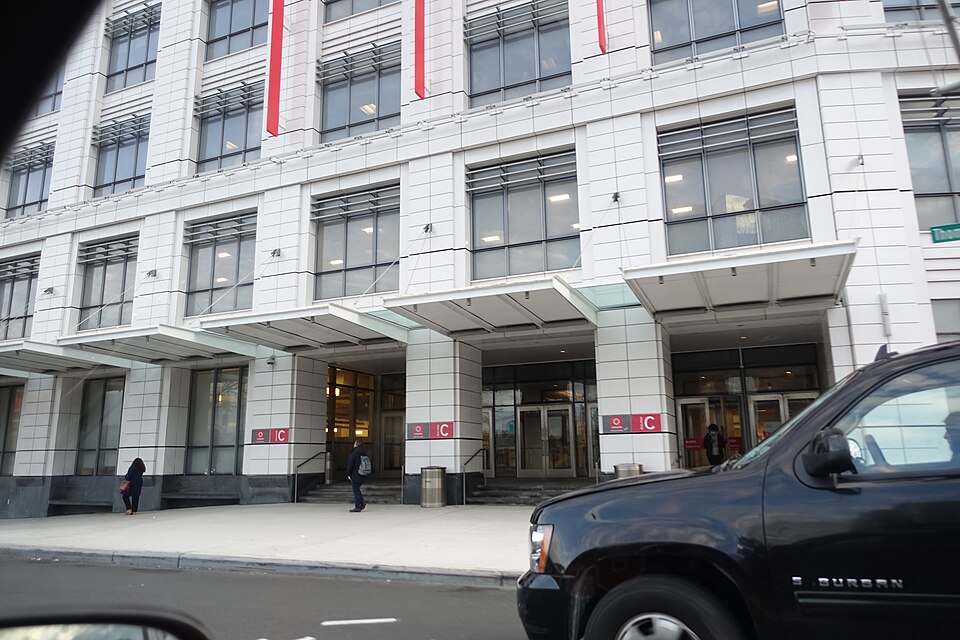
Campus housing accommodates only 589 students out of nearly 12,000 enrolled, so most students commute from home. The school sits in Manhattan's Hamilton Heights neighborhood, giving students access to internships and jobs throughout New York City. The urban setting means students experience college life integrated with city life.
Does CUNY City College offer athletic scholarships?
City College competes in NCAA Division III and offers zero dollars in athletic scholarships, as is standard for D-III schools. The Beavers field 14 varsity sports with 208 total athletes. Students choose City College for academics and affordability rather than athletic opportunities.