About CUNY Hunter College
The financial picture tells a compelling story. Students pay an average net price of just $2,446 after aid, while graduates earn a median of $63,163 ten years after graduation. With typical debt loads of only $11,000, Hunter delivers strong value in expensive New York City. Over 55% of students receive Pell Grants, and the lowest-income families pay practically nothing at $262 net price annually.
Hunter's student body reflects New York's diversity, with 32% Hispanic students and 31% Asian students creating a active multicultural environment. Women make up 65% of enrollment, typical for a school strong in education and health fields. The 80% retention rate shows students stick around, though the urban setting means most commute rather than live on campus in the 706 available beds.
Academics & Faculty
Source: College Scorecard / U.S. Department of Education
- Student-to-Faculty Ratio
- 14:1
- Full-Time Faculty
- 33.4%
- Graduation Rate (4-year)
- 58.7%
- Graduation Rate (6-year)
- 61.0%
- Retention Rate
- 80.0%
- Median Earnings (10 years)
- $63,163
- Carnegie Classification
- Master's University (Large)
Popular Programs by Earnings
| Program | Level | Median Earnings |
|---|---|---|
| Registered Nursing, Nursing Administration, Nursing Research and Clinical Nursing. | Master | $114,807 |
| Educational Administration and Supervision. | Certificate | $111,673 |
| Registered Nursing, Nursing Administration, Nursing Research and Clinical Nursing. | Bachelor | $94,255 |
| Teaching English or French as a Second or Foreign Language. | Certificate | $86,867 |
| Bilingual, Multilingual, and Multicultural Education. | Certificate | $81,702 |
| Rehabilitation and Therapeutic Professions. | Doctoral | $78,971 |
| Accounting and Related Services. | Master | $71,015 |
| Teaching English or French as a Second or Foreign Language. | Master | $68,296 |
| Communication Disorders Sciences and Services. | Master | $68,219 |
| Research and Experimental Psychology. | Certificate | $67,660 |
Campus Life
The 14:1 student-faculty ratio means smaller class sizes despite the large enrollment. Women make up 64.84% of the student body, creating a female-majority environment. The diverse campus reflects New York itself, with 31.95% Hispanic students and 30.72% Asian students. Since 90.29% are in-state residents, most students head home to family after classes rather than staying for campus activities. Weekend life often means exploring Manhattan's neighborhoods, museums, and cultural events rather than traditional college parties. The Hawks compete in 14 NCAA Division III sports, though athletics draw smaller crowds than academic and cultural programming.
- Setting
- City-Large
- Housing Capacity
- 706 beds
- Calendar System
- Semester
- Study Abroad
- Available
Campus Safety (2023)
18 total reported incidents. Source: Clery Act / U.S. Department of Education
| Offense | On Campus | Residential | Noncampus | Public Property |
|---|---|---|---|---|
| Stalking | 9 | 0 | 0 | 0 |
| Fondling | 5 | 0 | 0 | 0 |
| Dating Violence | 2 | 0 | 0 | 0 |
| Aggravated Assault | 0 | 0 | 0 | 1 |
| Robbery | 0 | 0 | 0 | 1 |
Climate & Weather
- January Avg
- 27°–39°F
- July Avg
- 70°–84°F
- Annual Precipitation
- 49.5"
- Annual Snowfall
- 29.8"
Student Demographics
- Men
- 35.2%
- Women
- 64.8%
- White
- 17.9%
- Black
- 11.3%
- Hispanic
- 32.0%
- Asian
- 30.7%
- In-State Students
- 90.3%
- Pell Grant Recipients
- 55.0%
Location
- Address
- New York, New York 10065
After College
Source: College Scorecard / U.S. Department of Education
- Median Earnings (10 years)
- $63,163
- Median Earnings (5 years)
- $70,493
- Mean Earnings (6 years after entry)
- $39,300
- Loan Repayment Rate
- 56.8%
- Monthly Loan Payment
- $117/mo
- Median Debt at Graduation
- $11,000
Frequently Asked Questions
What is the acceptance rate at CUNY Hunter College?
Hunter College accepts 47.86% of applicants, making it moderately selective within the CUNY system. The college attracts strong students who want quality education in Manhattan without the price tag of private institutions.
How much does CUNY Hunter College cost after financial aid?
The average net price is just $2,446, making Hunter one of the most affordable college options in New York City. Students from families earning under $30,000 pay only $262 after aid, while those from higher-income families still benefit from reasonable costs compared to private colleges.
What programs is CUNY Hunter College known for?
Hunter is well-known for its nursing, social work, and education programs within the CUNY system. With a 14:1 student-faculty ratio, students get solid attention from professors while studying in the heart of Manhattan's Upper East Side.
What do CUNY Hunter College graduates earn?
Hunter graduates earn a median of $63,163 ten years after graduation, reflecting the college's strong job placement in New York's competitive market. The 91.6% employment rate shows that Hunter's career services and alumni network help students land jobs in the city.
Where do students live at CUNY Hunter College?
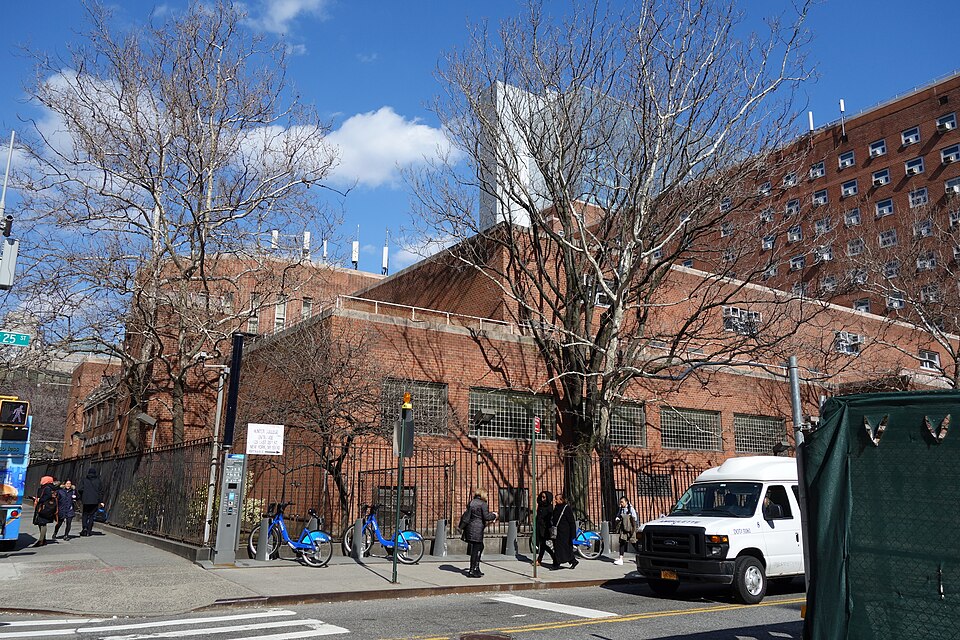
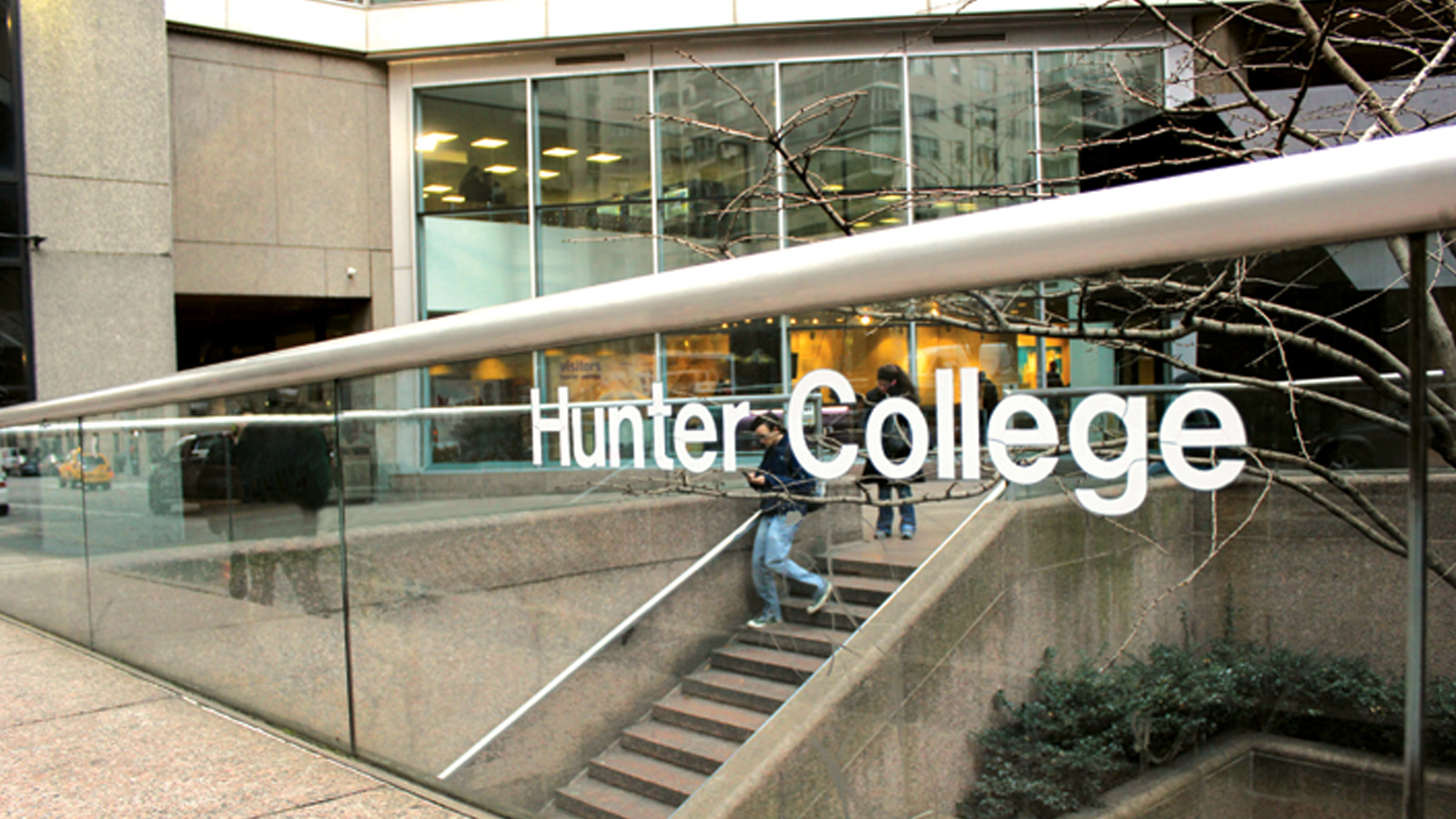
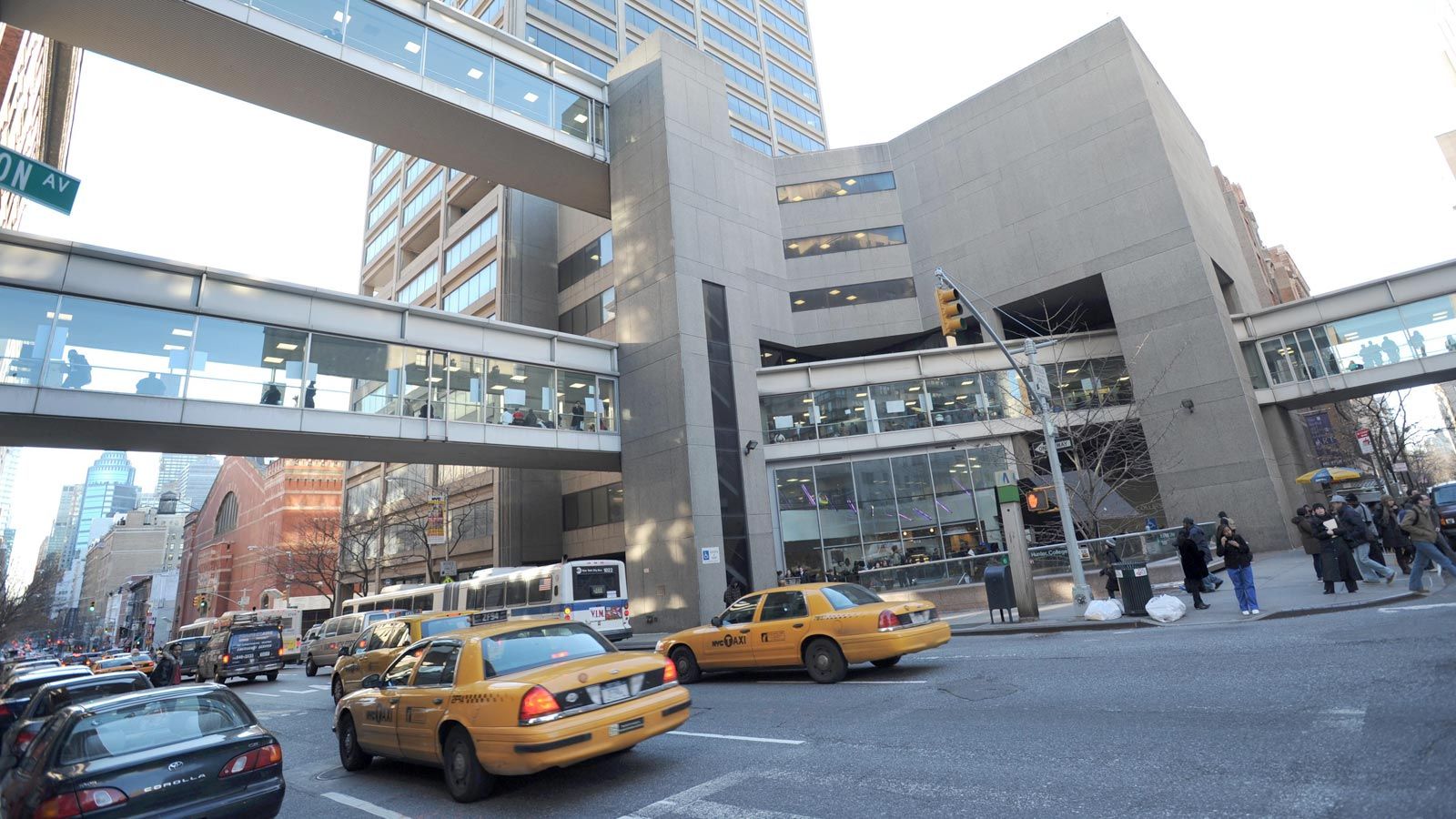
Housing capacity is limited to just 706 students out of 16,642 total enrollment, so most students commute from home or find off-campus housing. The campus sits on Manhattan's Upper East Side, giving students access to museums, internships, and the energy of New York City.
Is CUNY Hunter College diverse?
Hunter's student body is 31.95% Hispanic, 30.72% Asian, 17.91% White, and 11.28% Black, reflecting New York City's multicultural population. Women make up 64.84% of students, and 55.01% receive Pell Grants, showing the college serves many first-generation and low-income students.