About Cuyamaca College
Students pay an average net price of $6,187 after aid, making this one of the more affordable paths to higher education in expensive Southern California. Only 1.22% of students take out federal loans, which helps explain why debt isn't a major concern here. Graduates earn a median of $32,435 ten years after enrollment, though the 33.50% six-year graduation rate suggests many students take longer to complete their goals or transfer before finishing.
The Coyotes field nine varsity sports with 118 total athletes, though athletic scholarships aren't available. Women make up 54.54% of the student body, and 31.98% of students are Hispanic, reflecting the demographics of East County San Diego. With 96.50% of students coming from California, this is very much a local institution serving the communities around El Cajon and the broader San Diego region.
Academics & Faculty
Source: College Scorecard / U.S. Department of Education
- Student-to-Faculty Ratio
- 25:1
- Full-Time Faculty
- 27.4%
- Graduation Rate (6-year)
- 33.5%
- Median Earnings (10 years)
- $32,435
Popular Programs by Earnings
| Program | Level | Median Earnings |
|---|---|---|
| Liberal Arts and Sciences, General Studies and Humanities. | Associate | $25,194 |
| Human Development, Family Studies, and Related Services. | Associate | $13,702 |
Campus Life
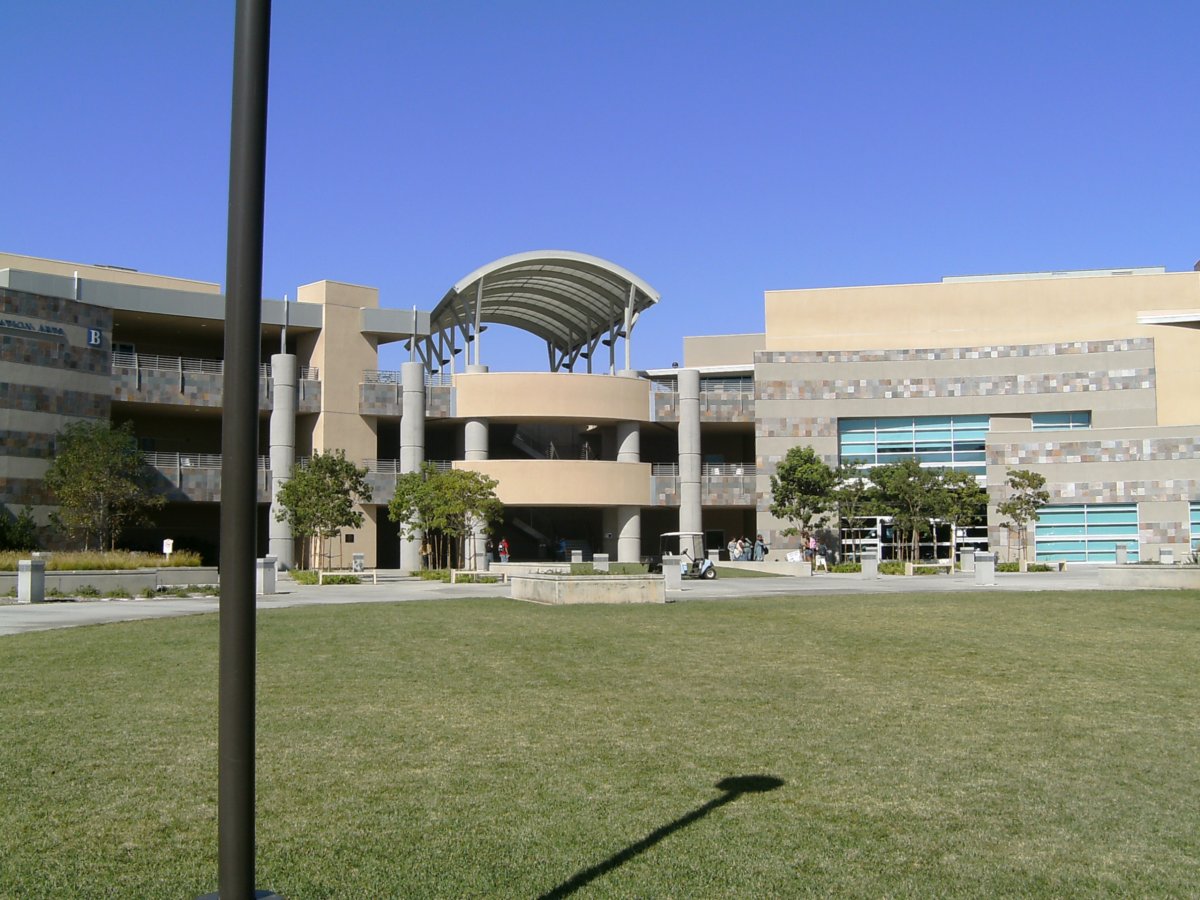
The 165-acre campus feels more spacious than typical community colleges, with modern buildings spread across oak-dotted hills. Students grab coffee between classes at the student center or study outdoors under California sunshine. With 6,788 students and no on-campus housing, campus life revolves around daytime activity. The Coyotes field nine varsity sports with 118 total athletes, though the college offers no athletic scholarships. Weekends often mean heading to nearby beaches or downtown San Diego's Gaslamp Quarter. Many students work part-time jobs alongside their studies, reflecting the practical, career-focused atmosphere. Study groups form naturally in the library's collaborative spaces, and the 25:1 student-faculty ratio means professors know students by name in smaller program courses.
- Setting
- Suburb-Large
- Calendar System
- Semester
- Founded
- 1978
Campus Safety (2023)
No reported Clery Act crimes in 2023.
Climate & Weather
- January Avg
- 42°–69°F
- July Avg
- 63°–86°F
- Annual Precipitation
- 11.6"
- Annual Snowfall
- 0.0"
Student Demographics
- Men
- 45.5%
- Women
- 54.5%
- White
- 51.2%
- Black
- 3.7%
- Hispanic
- 32.0%
- Asian
- 4.5%
- In-State Students
- 96.5%
- Pell Grant Recipients
- 23.8%
Location
- Address
- El Cajon, California 92019
After College
Source: College Scorecard / U.S. Department of Education
- Median Earnings (10 years)
- $32,435
- Median Earnings (5 years)
- $41,432
- Mean Earnings (6 years after entry)
- $26,500
- Loan Repayment Rate
- 42.5%
Frequently Asked Questions
What are the admission requirements at Cuyamaca College?
As a community college, Cuyamaca College maintains an open enrollment policy for students 18 and older or high school graduates. The college serves 6,788 students who are primarily local residents, with 96.50% coming from in-state. This accessibility makes it a popular choice for East County San Diego students seeking affordable higher education.
How much does Cuyamaca College cost after financial aid?
Students pay an average net price of $6,187 annually, though costs vary by family income. Those from families earning under $30,000 pay just $5,626 after aid, while higher-income families pay up to $13,850. Only 23.78% of students receive federal financial aid, reflecting the college's already low in-state tuition of $1,340.
What is the student-faculty ratio at Cuyamaca College?
The student-faculty ratio stands at 25:1, which is typical for California community colleges. Classes tend to be larger than at four-year institutions, but the college focuses on practical, hands-on learning in popular programs like automotive technology and culinary arts. The semester calendar system allows for intensive skill development in career-focused fields.
What are the graduation and employment outcomes at Cuyamaca College?
The six-year graduation rate is 33.50%, which includes students who transfer to four-year universities or complete certificate programs. Graduates earn a median salary of $32,435 ten years after enrollment, with an employment rate of 67.4%. Many students use Cuyamaca as a stepping stone to San Diego State University or other regional four-year schools.
Where is Cuyamaca College located and what is campus life like?
The college sits in El Cajon, a large suburb about 20 minutes east of downtown San Diego. With 54.54% female enrollment and a diverse student body that is 31.98% Hispanic and 51.16% white, the campus reflects East County's demographics. The Coyotes compete in nine varsity sports with 118 total athletes, though no athletic scholarships are offered.
Is Cuyamaca College known for any special programs?
Founded in 1978, Cuyamaca College has built a strong reputation for its automotive technology and ornamental horticulture programs. The college operates on 165 acres in the foothills, providing unique opportunities for hands-on learning in landscaping and plant sciences. Many students also take advantage of the college's transfer agreements with UC and CSU schools to continue their education.