
About Dakota State University
Students pay an average net price of $19,725 annually, which proves reasonable given the career outcomes. Graduates earn a median of $50,970 ten years after graduation, while carrying typical debt loads of $23,500. The numbers work in students' favor, with a 98% employment rate showing that DSU's tech focus translates into real job prospects. Monthly loan payments average $249, manageable against those starting salaries.
The student body skews heavily male at 68%, reflecting the tech-heavy curriculum. With 430 athletes competing in 14 NAIA sports, the Trojans maintain a strong athletic presence despite the school's technical focus. About 62% of students come from in-state, creating a tight-knit community where the 19:1 student-faculty ratio enables personalized attention in specialized programs.
Academics & Faculty
Source: College Scorecard / U.S. Department of Education
- Student-to-Faculty Ratio
- 19:1
- Full-Time Faculty
- 74.8%
- Graduation Rate (4-year)
- 49.0%
- Graduation Rate (6-year)
- 49.3%
- Retention Rate
- 75.3%
- Median Earnings (10 years)
- $50,970
- Carnegie Classification
- Master's University (Medium)
Popular Programs by Earnings
| Program | Level | Median Earnings |
|---|---|---|
| Computer/Information Technology Administration and Management. | Master | $84,653 |
| Information Science/Studies. | Master | $76,460 |
| Computer and Information Sciences, General. | Bachelor | $55,964 |
| Information Science/Studies. | Bachelor | $55,964 |
| Computer/Information Technology Administration and Management. | Bachelor | $51,035 |
| Allied Health Diagnostic, Intervention, and Treatment Professions. | Bachelor | $46,087 |
| Teacher Education and Professional Development, Specific Subject Areas. | Bachelor | $42,682 |
| Health and Medical Administrative Services. | Bachelor | $41,205 |
| Business Administration, Management and Operations. | Bachelor | $39,369 |
| Teacher Education and Professional Development, Specific Levels and Methods. | Bachelor | $39,153 |
Campus Life
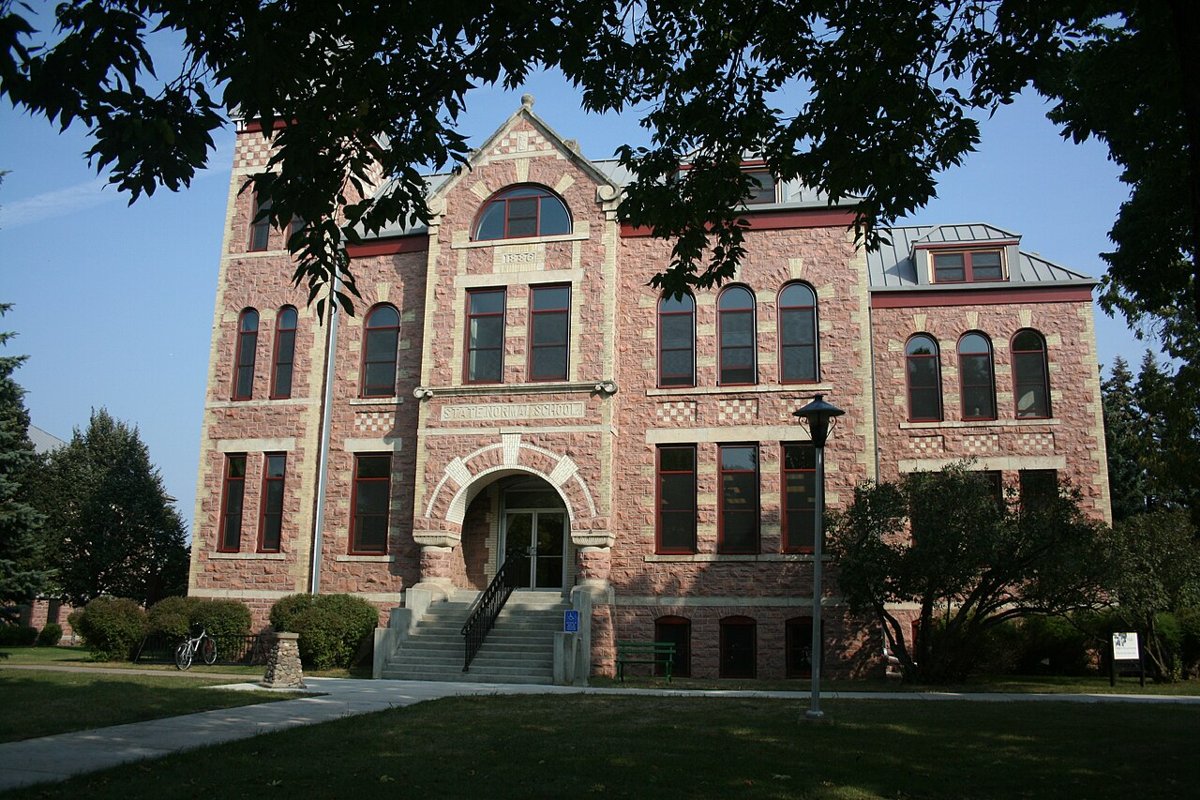
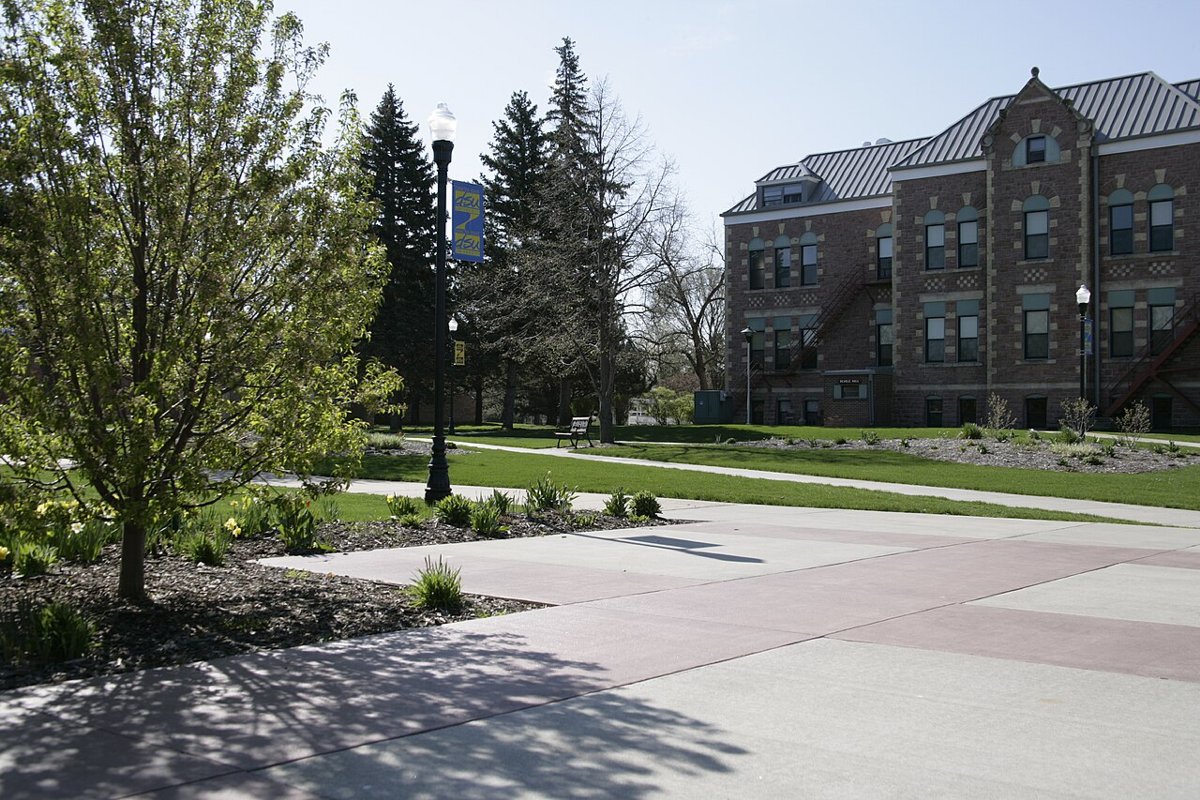
The 68% male student body reflects Dakota State's reputation as a tech powerhouse, particularly known for cybersecurity and computer science programs. Students often gather in the computer labs working on coding projects or competing in cybersecurity competitions that the university has become famous for. With 14 varsity sports and 430 total athletes competing at the NAIA level, Trojans games provide weekend entertainment, especially during basketball season. The small-town setting means students create their own fun - gaming tournaments, study groups, and trips to Sioux Falls for shopping or dining are common weekend activities. The 75% retention rate suggests most students adapt well to the focused, tech-oriented campus culture.
- Setting
- Town-Distant
- Housing Capacity
- 895 beds
- Calendar System
- Semester
- Study Abroad
- Available
- Founded
- 1881
Campus Safety (2023)
4 total reported incidents. Source: Clery Act / U.S. Department of Education
| Offense | On Campus | Residential | Noncampus | Public Property |
|---|---|---|---|---|
| Burglary | 1 | 1 | 0 | 0 |
| Rape | 1 | 1 | 0 | 0 |
Climate & Weather
- January Avg
- 4°–24°F
- July Avg
- 60°–83°F
- Annual Precipitation
- 25.8"
- Annual Snowfall
- 36.1"
Student Demographics
- Men
- 68.0%
- Women
- 32.0%
- White
- 76.4%
- Black
- 4.1%
- Hispanic
- 5.2%
- Asian
- 2.5%
- In-State Students
- 62.1%
- Pell Grant Recipients
- 16.0%
Location
- Address
- Madison, South Dakota 57042-1799
After College
Source: College Scorecard / U.S. Department of Education
- Median Earnings (10 years)
- $50,970
- Median Earnings (5 years)
- $55,541
- Mean Earnings (6 years after entry)
- $35,400
- Loan Repayment Rate
- 67.3%
- Monthly Loan Payment
- $249/mo
- Median Debt at Graduation
- $23,500
Frequently Asked Questions
What is the acceptance rate at Dakota State University?
Dakota State University accepts 78.91% of applicants, making it moderately selective. The average SAT score is 1090, while students typically score between 940-1240. This public tech-focused university draws students primarily interested in cybersecurity and technology programs.
How much does Dakota State University cost after financial aid?
The average net price at Dakota State University is $19,725 per year. In-state students pay $9,633 in tuition while out-of-state students pay $12,735. Students typically graduate with $23,500 in debt and make monthly loan payments of $249.
What are Dakota State University's strongest academic programs?
Dakota State University is well-known for its technology and cybersecurity programs. The student-faculty ratio is 19:1, allowing for reasonable class sizes. The university has built a strong reputation as a leader in digital security education and computer science training.
What career outcomes can graduates expect from Dakota State University?
Dakota State University graduates have a 98.3% employment rate, reflecting strong job market demand for their tech skills. The median earnings 10 years after graduation reach $50,970. However, only 49.30% of students graduate within six years, which is below the national average.
Where is Dakota State University located and what is campus life like?
Dakota State University sits in Madison, South Dakota, a small town setting with 1,969 total students. The campus houses 895 students in residence halls, creating a tight-knit community atmosphere. With 68% male enrollment, the gender ratio reflects the university's strong focus on technology fields.
Does Dakota State University have strong athletic programs?
Dakota State University competes in NAIA athletics as the Trojans across 14 varsity sports. The university supports 430 total athletes with $1,094,478 in athletic scholarships. While athletics exist, the university's primary identity centers on its technology and cybersecurity academic reputation rather than sports.
Similar Schools

South Dakota School of Mines and Technology
Rapid City, South Dakota
Northern State University
Aberdeen, South Dakota

Lincoln University
Lincoln University, Pennsylvania
SUNY College at Potsdam
Potsdam, New York
Francis Marion University
Florence, South Carolina

The Evergreen State College
Olympia, Washington