About Duke University
The sticker price hits $84,865 annually, but Duke's generous aid brings costs down dramatically for most families. Students from households earning under $30,000 pay just $3,295 per year on average. Those from middle-income families earning $30,000-$48,000 pay virtually nothing at $242 annually. Graduates earn a median $97,800 ten years out with only $13,000 in debt, making the investment worthwhile for most students.
Duke's student body draws heavily from out-of-state, with only 13.48% of students calling North Carolina home. The 6:1 student-faculty ratio ensures close mentoring, while 96.23% graduate in four years. Basketball games unite the campus, but the real magic happens in labs and libraries where tomorrow's leaders develop their edge.
Academics & Faculty
Source: College Scorecard / U.S. Department of Education
- Student-to-Faculty Ratio
- 6:1
- Full-Time Faculty
- 94.1%
- Graduation Rate (4-year)
- 96.2%
- Graduation Rate (6-year)
- 95.8%
- Retention Rate
- 96.2%
- Median Earnings (10 years)
- $97,800
- Carnegie Classification
- Doctoral University (R1)
Popular Programs by Earnings
| Program | Level | Median Earnings |
|---|---|---|
| International Business. | Master | $213,978 |
| Law. | Doctoral | $168,098 |
| Business Administration, Management and Operations. | Master | $148,189 |
| Health and Medical Administrative Services. | Certificate | $138,342 |
| Registered Nursing, Nursing Administration, Nursing Research and Clinical Nursing. | Doctoral | $116,541 |
| Computer Science. | Bachelor | $106,898 |
| Registered Nursing, Nursing Administration, Nursing Research and Clinical Nursing. | Master | $97,071 |
| Computer Engineering. | Bachelor | $97,071 |
| Engineering-Related Fields. | Master | $91,078 |
| Economics. | Bachelor | $90,856 |
Campus Life
Cameron Indoor Stadium becomes the heart of campus during basketball season, where the legendary Cameron Crazies create one of college sports' most intense atmospheres. With 712 varsity athletes competing across 23 sports, Duke spirit runs deep beyond just basketball. The student body of 6,417 splits fairly evenly between men (47%) and women (53%). Weekend life revolves around tailgates, basketball games, and Durham's growing food scene. Students frequently explore nearby hiking trails or catch concerts in Raleigh. The close-knit campus culture means you'll recognize faces across quads, especially since the 6:1 student-faculty ratio keeps class sizes small. Greek life and selective living groups shape much of the social scene.
- Setting
- City-Large
- Housing Capacity
- 5,775 beds
- Calendar System
- Semester
- Study Abroad
- Available
- Founded
- 1838
Campus Safety (2023)
179 total reported incidents. Source: Clery Act / U.S. Department of Education
| Offense | On Campus | Residential | Noncampus | Public Property |
|---|---|---|---|---|
| Stalking | 42 | 15 | 8 | 0 |
| Motor Vehicle Theft | 36 | 0 | 3 | 0 |
| Burglary | 23 | 1 | 2 | 0 |
| Domestic Violence | 13 | 3 | 7 | 2 |
| Rape | 3 | 3 | 3 | 0 |
| Fondling | 5 | 0 | 1 | 1 |
| Aggravated Assault | 4 | 0 | 1 | 1 |
| Robbery | 1 | 0 | 1 | 0 |
Climate & Weather
- January Avg
- 27°–48°F
- July Avg
- 68°–87°F
- Annual Precipitation
- 48.6"
- Annual Snowfall
- 2.8"
Student Demographics
- Men
- 46.6%
- Women
- 53.5%
- White
- 36.1%
- Black
- 8.5%
- Hispanic
- 10.8%
- Asian
- 23.2%
- In-State Students
- 13.5%
- Pell Grant Recipients
- 12.7%
Location
- Address
- Durham, North Carolina 27708
After College
Source: College Scorecard / U.S. Department of Education
- Median Earnings (10 years)
- $97,800
- Median Earnings (5 years)
- $104,271
- Mean Earnings (6 years after entry)
- $93,200
- Loan Repayment Rate
- 88.9%
- Monthly Loan Payment
- $138/mo
- Median Debt at Graduation
- $13,000
Frequently Asked Questions
What is the acceptance rate at Duke University?
Duke accepts just 6.35% of applicants, making it one of the most selective universities in the country. Students need exceptional credentials, with the middle 50% scoring between 1490-1570 on the SAT. The intense competition reflects Duke's reputation as a top-tier research university that attracts top students nationwide.
How much does Duke University cost after financial aid?
Duke's sticker price reaches $84,865 annually, but the average net price drops to $34,454 after aid. Families earning under $30,000 pay just $3,295 on average, while those making $30-48,000 pay only $242. The university's generous financial aid helps make this strong institution accessible despite its high tuition.
What is the student-faculty ratio at Duke University?
Duke maintains a 6:1 student-faculty ratio, ensuring intimate classroom experiences and close mentorship opportunities. The university's 6,417 undergraduates benefit from small class sizes and direct access to world-well-known faculty. This personalized attention supports Duke's reputation for rigorous academics and exceptional research opportunities.
What do Duke University graduates earn after college?
Duke graduates earn a median salary of $97,800 ten years after graduation, reflecting strong career outcomes across fields. The university boasts a 94.7% employment rate and 96.23% four-year graduation rate. Duke's powerful alumni network and strong reputation open doors to top graduate schools and competitive careers.
Where do students live at Duke University?
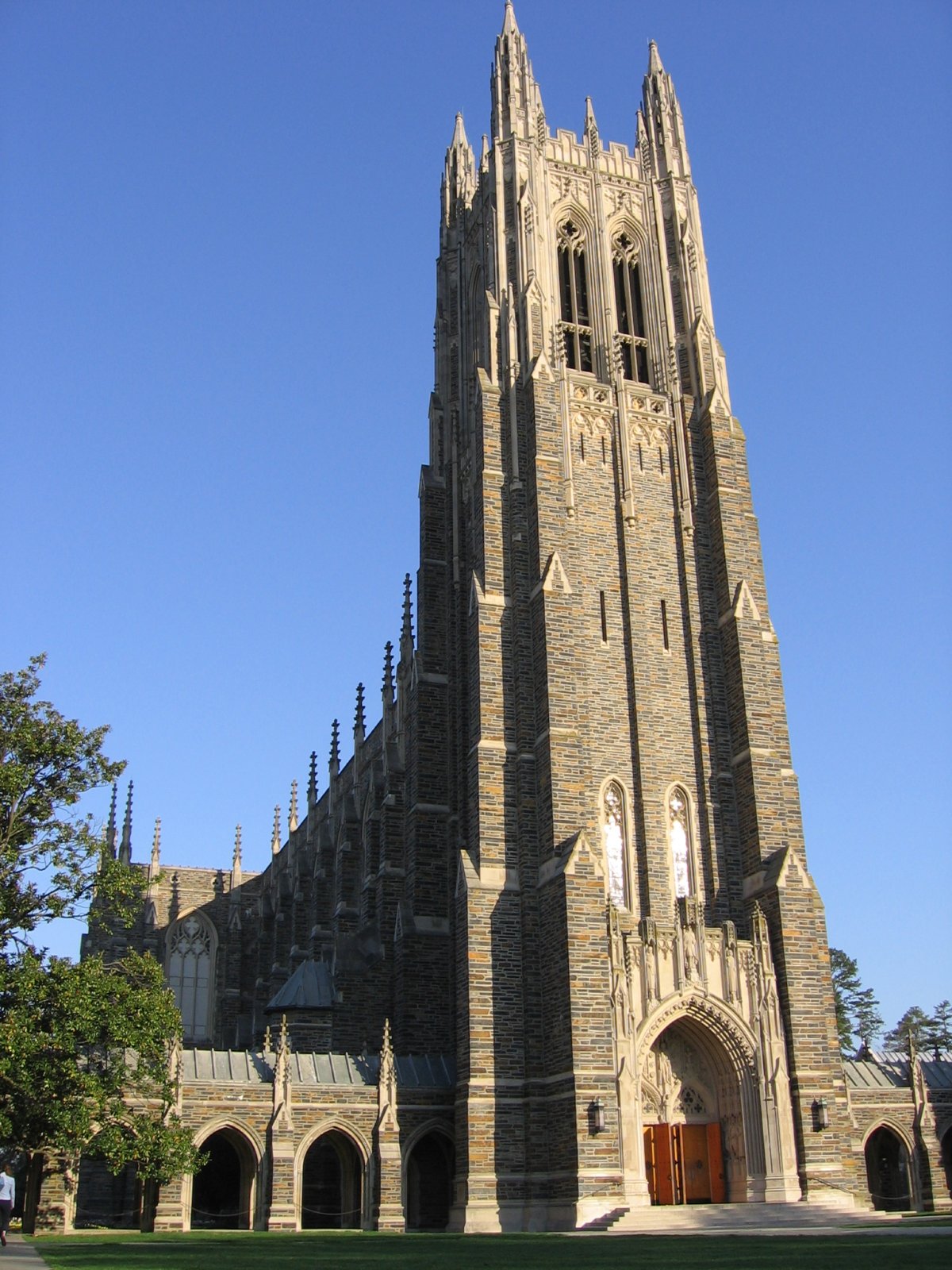
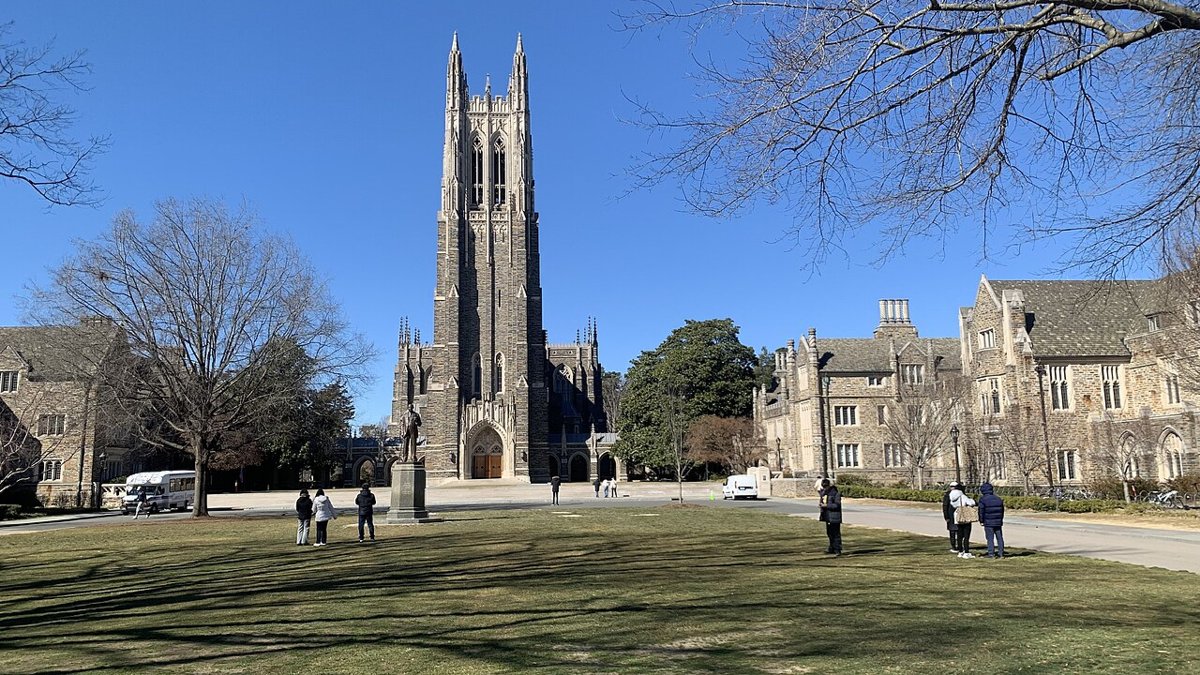
Duke houses 5,775 students on its Gothic Revival campus in Durham, with nearly all undergraduates living on campus. The university's distinctive architecture and 96.16% retention rate create a tight-knit residential community. Students enjoy the active campus culture while having access to Durham's growing tech and research triangle.
How successful is Duke University's basketball program?
Duke fields 712 student-athletes across 23 varsity sports, with basketball as the crown jewel of its Division I athletics. The Blue Devils compete in the Atlantic Coast Conference and distribute $28.3 million in athletic scholarships. Duke's legendary basketball program under Coach K built a culture where academic excellence meets championship-level athletics.