

About Eastern Oregon University
Students pay an average net price of $15,987 after aid, making this one of Oregon's more affordable options. Graduates earn a median of $50,112 ten years after starting school, giving decent returns on the $20,500 in typical student debt. The monthly loan payment of $217 is manageable for most graduates. Low-income families pay just $12,069 net price, making college accessible for rural Oregon students.
The 14:1 student-faculty ratio means professors know your name, but the 37.4% four-year graduation rate shows many students struggle to finish on time. Nearly half the student body comes from out of state, drawn by outdoor recreation programs and small-town mountain life. The Mountaineers compete in 13 NAIA sports, with $1.2 million in athletic scholarships helping fund student-athletes who love both competition and mountain adventures.
Academics & Faculty
Source: College Scorecard / U.S. Department of Education
- Student-to-Faculty Ratio
- 14:1
- Full-Time Faculty
- 58.6%
- Graduation Rate (4-year)
- 37.4%
- Graduation Rate (6-year)
- 36.6%
- Retention Rate
- 66.9%
- Median Earnings (10 years)
- $50,112
- Carnegie Classification
- Master's University (Small)
Popular Programs by Earnings
| Program | Level | Median Earnings |
|---|---|---|
| Fire Protection. | Bachelor | $92,632 |
| Teacher Education and Professional Development, Specific Levels and Methods. | Master | $43,798 |
| Business Administration, Management and Operations. | Bachelor | $35,274 |
| Health and Physical Education/Fitness. | Bachelor | $35,060 |
| Education, Other. | Bachelor | $34,942 |
| Psychology, General. | Bachelor | $33,281 |
| Social Sciences, Other. | Bachelor | $33,281 |
| Liberal Arts and Sciences, General Studies and Humanities. | Bachelor | $31,423 |
Campus Life
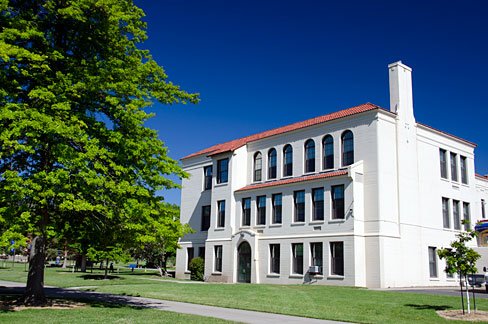
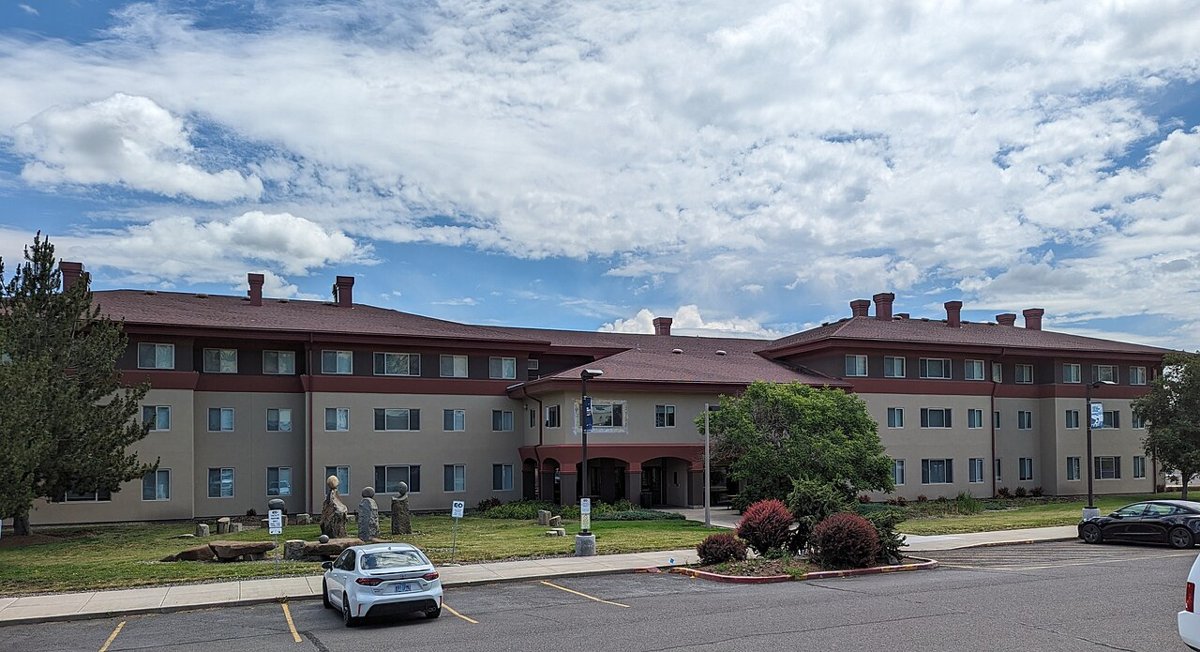
The quarter system keeps academics moving quickly, while the 14:1 student-faculty ratio means professors know your name. Weekends revolve around outdoor activities that take advantage of the surrounding wilderness. Students hike the nearby Elkhorn Mountains, ski at Anthony Lakes, or fish the Grande Ronde River. The Mountaineers compete in 13 NAIA sports with 441 total athletes, making athletics visible on the small campus. Many students work part-time jobs in town since 65% are Oregon residents who often stay local. The rural setting means entertainment options are limited, pushing students to create their own fun through outdoor clubs, intramural sports, or weekend trips to larger cities.
- Setting
- Town-Remote
- Housing Capacity
- 407 beds
- Calendar System
- Quarter
- Study Abroad
- Available
- Founded
- 1929
Campus Safety (2023)
13 total reported incidents. Source: Clery Act / U.S. Department of Education
| Offense | On Campus | Residential | Noncampus | Public Property |
|---|---|---|---|---|
| Rape | 2 | 2 | 0 | 0 |
| Stalking | 3 | 1 | 0 | 0 |
| Burglary | 3 | 0 | 0 | 0 |
| Aggravated Assault | 1 | 0 | 0 | 0 |
| Motor Vehicle Theft | 1 | 0 | 0 | 0 |
Climate & Weather
- January Avg
- 24°–39°F
- July Avg
- 54°–86°F
- Annual Precipitation
- 17.4"
- Annual Snowfall
- 9.4"
Student Demographics
- Men
- 43.0%
- Women
- 57.0%
- White
- 68.9%
- Black
- 2.2%
- Hispanic
- 13.7%
- Asian
- 0.8%
- In-State Students
- 65.1%
- Pell Grant Recipients
- 36.0%
Location
- Address
- La Grande, Oregon 97850
After College
Source: College Scorecard / U.S. Department of Education
- Median Earnings (10 years)
- $50,112
- Median Earnings (5 years)
- $52,776
- Mean Earnings (6 years after entry)
- $36,000
- Loan Repayment Rate
- 46.5%
- Monthly Loan Payment
- $217/mo
- Median Debt at Graduation
- $20,500
Frequently Asked Questions
What is the acceptance rate at Eastern Oregon University?
Eastern Oregon University accepts 98.52% of applicants, making it extremely accessible to students. This regional public university prioritizes opening doors to higher education for students in rural Oregon and beyond.
How much does Eastern Oregon University cost after financial aid?
Students pay an average net price of $15,987 after aid, with those from families earning under $30,000 paying just $12,069. The school keeps costs manageable for a rural population, though only 35.98% of students receive federal Pell Grants.
What is the student-faculty ratio at Eastern Oregon University?
Eastern Oregon University maintains a 14:1 student-faculty ratio with just 2,201 total students. The small scale allows for personalized attention in programs like teacher education and outdoor recreation that the school is known for.
What are the graduation rates at Eastern Oregon University?
Only 36.60% of students graduate within six years, with a similar 37.40% completing degrees in four years. These rates reflect challenges common to rural universities serving first-generation college students and working adults.
Where is Eastern Oregon University located and what is campus life like?
The campus sits in La Grande, Oregon, a remote town setting that houses just 407 students on campus out of 2,201 total enrollment. Most students commute or live off-campus in this tight-knit mountain community.
Does Eastern Oregon University have strong athletics programs?
The Mountaineers compete in NAIA with 13 varsity sports and 441 total athletes receiving $1,231,076 in athletic scholarships. Nearly 20% of the student body participates in varsity athletics, reflecting the school's emphasis on outdoor recreation and active lifestyles.
Similar Schools

Fairmont State University
Fairmont, West Virginia

Mississippi University for Women
Columbus, Mississippi

Oregon Institute of Technology
Klamath Falls, Oregon

Missouri Southern State University
Joplin, Missouri
University of the Virgin Islands
Charlotte Amalie, U.S. Virgin Islands

Black Hills State University
Spearfish, South Dakota