About Ecumenical Theological Seminary
The financial picture at this seminary tells an unusual story. Zero percent of students receive federal financial aid or Pell grants, and no students take out federal loans. This suggests that students either pay out of pocket, receive private scholarships, or benefit from church sponsorship arrangements. Without available data on actual costs or graduate earnings, prospective students should carefully investigate the total expense and discuss funding options directly with the school.
The student body is entirely Black and predominantly female, with women making up 73% of enrollment. This demographic composition reflects the seminary's focus on training leaders who understand the African American church experience. In such a small program, students work closely with faculty and often develop lifelong professional networks within Detroit's religious community.
Academics & Faculty
Source: College Scorecard / U.S. Department of Education
- Student-to-Faculty Ratio
- 5:1
- Carnegie Classification
- Associate College (High Transfer)
Campus Life
Detroit's winters are serious business, with snow from November through March and temperatures often below freezing. You'll need a heavy coat and boots for walking around the city. The school operates on a quarter system, which creates an intense but focused academic pace. With 72.73% of students being women and 100% of the student body being Black, this creates a tight-knit community centered around theological education.
Weekend activities likely revolve around Detroit's cultural offerings, from museums to music venues. The small size means campus social life is probably quiet, but Detroit provides plenty of options for exploring urban ministry opportunities and community engagement that often draws seminary students.
- Setting
- City-Large
- Calendar System
- Quarter
Campus Safety (2023)
No reported Clery Act crimes in 2023.
Climate & Weather
- January Avg
- 19°–32°F
- July Avg
- 64°–83°F
- Annual Precipitation
- 29.9"
- Annual Snowfall
- 30.8"
Student Demographics
- Men
- 27.3%
- Women
- 72.7%
- White
- 0.0%
- Black
- 100.0%
- Hispanic
- 0.0%
- Asian
- 0.0%
- Pell Grant Recipients
- 0.0%
Location
- Address
- Detroit, Michigan 48201-3035
Frequently Asked Questions
What are the admission requirements at Ecumenical Theological Seminary?
With only 11 students enrolled, this Detroit seminary maintains an extremely selective and intimate learning environment. The school focuses on preparing Black religious leaders for ministry through rigorous theological education.
How much does Ecumenical Theological Seminary cost after financial aid?
Currently, 0% of students receive federal financial aid or Pell Grants, suggesting most students either pay full tuition or receive alternative funding sources. The seminary's small size of 11 students allows for personalized attention to each student's financial situation.
What is the student-faculty ratio at Ecumenical Theological Seminary?
The seminary operates with a 5:1 student-faculty ratio across its 11-person student body. This exceptionally low ratio enables intensive mentorship and personalized theological training that larger seminaries cannot provide.
What career outcomes do graduates from Ecumenical Theological Seminary achieve?
With 100% Black enrollment and 72.73% women, the seminary specifically prepares diverse religious leaders for urban ministry. The small cohort size of 11 students ensures graduates receive individualized career guidance and strong alumni networks.
Where is Ecumenical Theological Seminary located and what is campus life like?
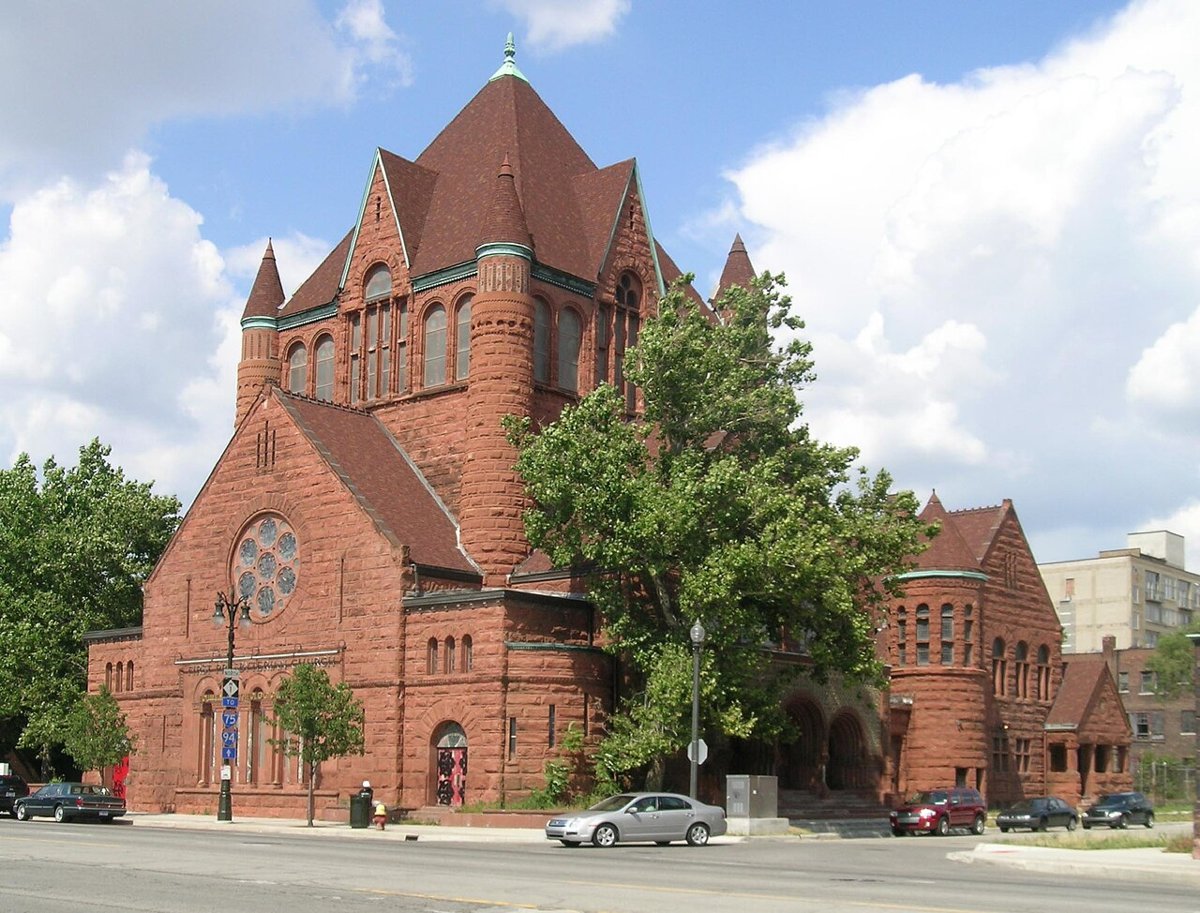
The seminary sits in Detroit, providing students direct access to urban ministry opportunities and social justice work. With only 11 students total, campus life revolves around close-knit community formation and shared theological study.
Does Ecumenical Theological Seminary follow a traditional academic calendar?
The seminary operates on a quarter system rather than traditional semesters, allowing for intensive study periods. With 27.27% men and 72.73% women among the 11 students, the school emphasizes inclusive theological education that reflects diverse perspectives in ministry.