About Finger Lakes Community College
Students pay an average net price of $14,186 after financial aid, with lower-income families paying just $11,494. Graduates earn a median of $40,054 ten years after starting, making the typical debt load of $12,975 manageable with monthly payments of $138. The investment pays off quickly, with an employment rate of 92.2% showing strong job market demand for the college's practical training programs.
Nearly 99% of students come from New York state, creating a tight-knit community where everyone knows each other. The Lakers compete in 16 varsity sports through the NCCAA, giving 240 student-athletes opportunities to play while earning their degrees. With a 28% six-year graduation rate, the college works best for students who stay focused on completing their two-year programs efficiently.
Academics & Faculty
Source: College Scorecard / U.S. Department of Education
- Student-to-Faculty Ratio
- 15:1
- Full-Time Faculty
- 100.0%
- Graduation Rate (6-year)
- 28.0%
- Median Earnings (10 years)
- $40,054
Popular Programs by Earnings
| Program | Level | Median Earnings |
|---|---|---|
| Registered Nursing, Nursing Administration, Nursing Research and Clinical Nursing. | Associate | $56,566 |
| Allied Health Diagnostic, Intervention, and Treatment Professions. | Certificate | $48,432 |
| Food Science and Technology. | Associate | $29,685 |
| Legal Support Services. | Associate | $28,598 |
| Accounting and Related Services. | Associate | $27,642 |
| Criminal Justice and Corrections. | Associate | $26,585 |
| Wildlife and Wildlands Science and Management. | Associate | $25,967 |
| Natural Resources Conservation and Research. | Associate | $25,194 |
| Somatic Bodywork and Related Therapeutic Services. | Associate | $25,194 |
| Business Administration, Management and Operations. | Associate | $24,035 |
Campus Life
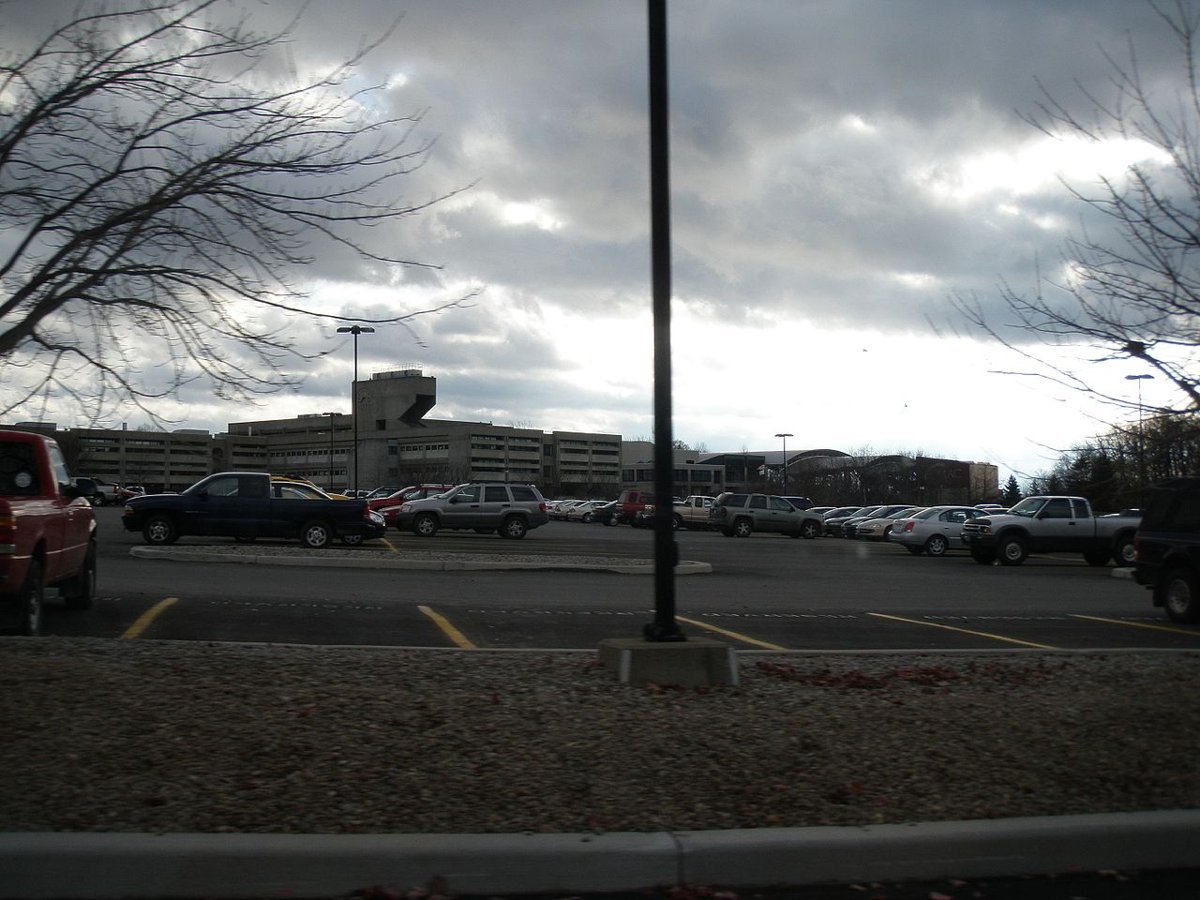
Winter dominates the academic calendar here. Students bundle up in heavy coats from November through March, navigating snow-covered walkways between classes. The 16 varsity sports teams, nicknamed the Lakers, compete year-round despite the harsh winters. With 240 total athletes, about 8% of students participate in athletics.
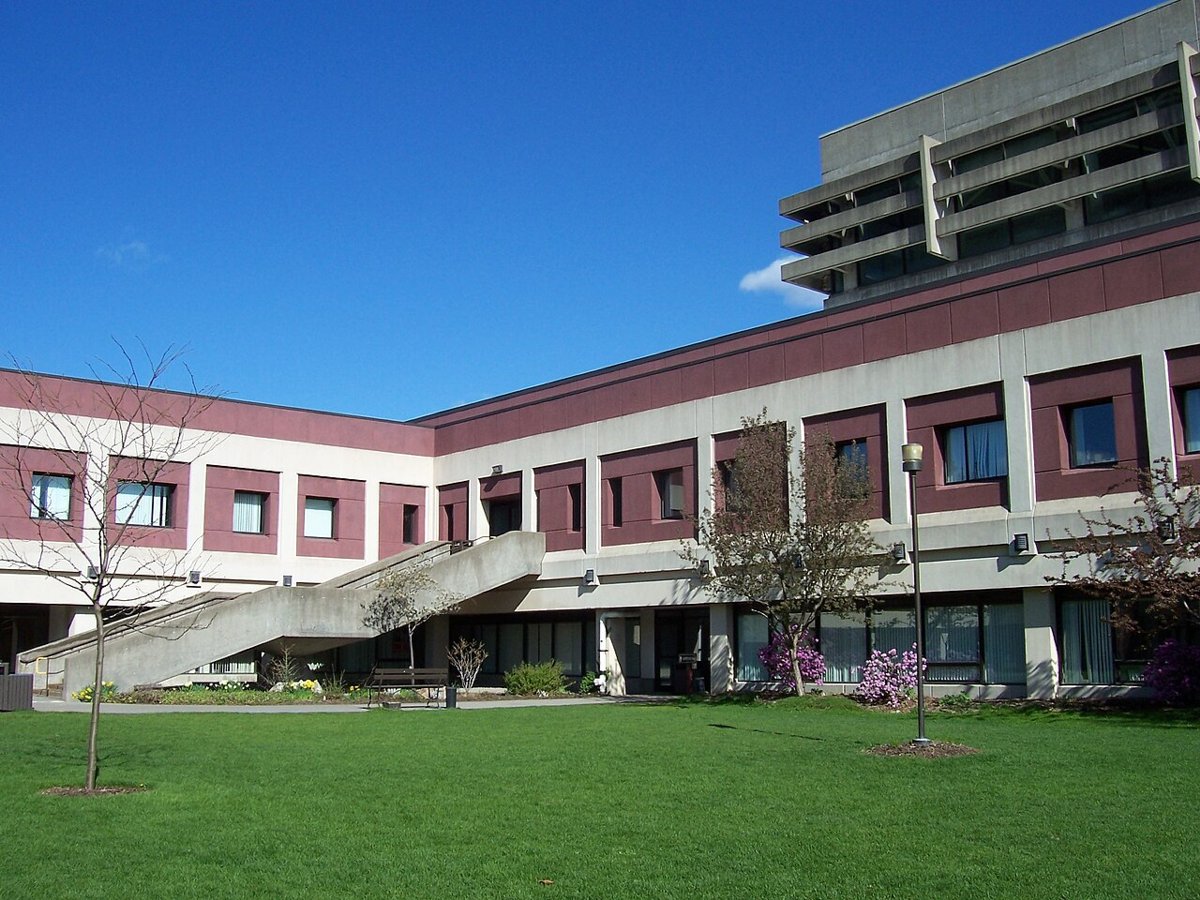
Weekend life revolves around the stunning lake region rather than campus activities. Students often head to nearby Canandaigua Lake for recreation or make the short drive to Rochester for entertainment and job opportunities. The rural-fringe setting means quiet weekends for those who stay local. The 15:1 student-faculty ratio creates close connections in small classes, but social life happens off-campus in this commuter-heavy environment.
- Setting
- Rural-Fringe
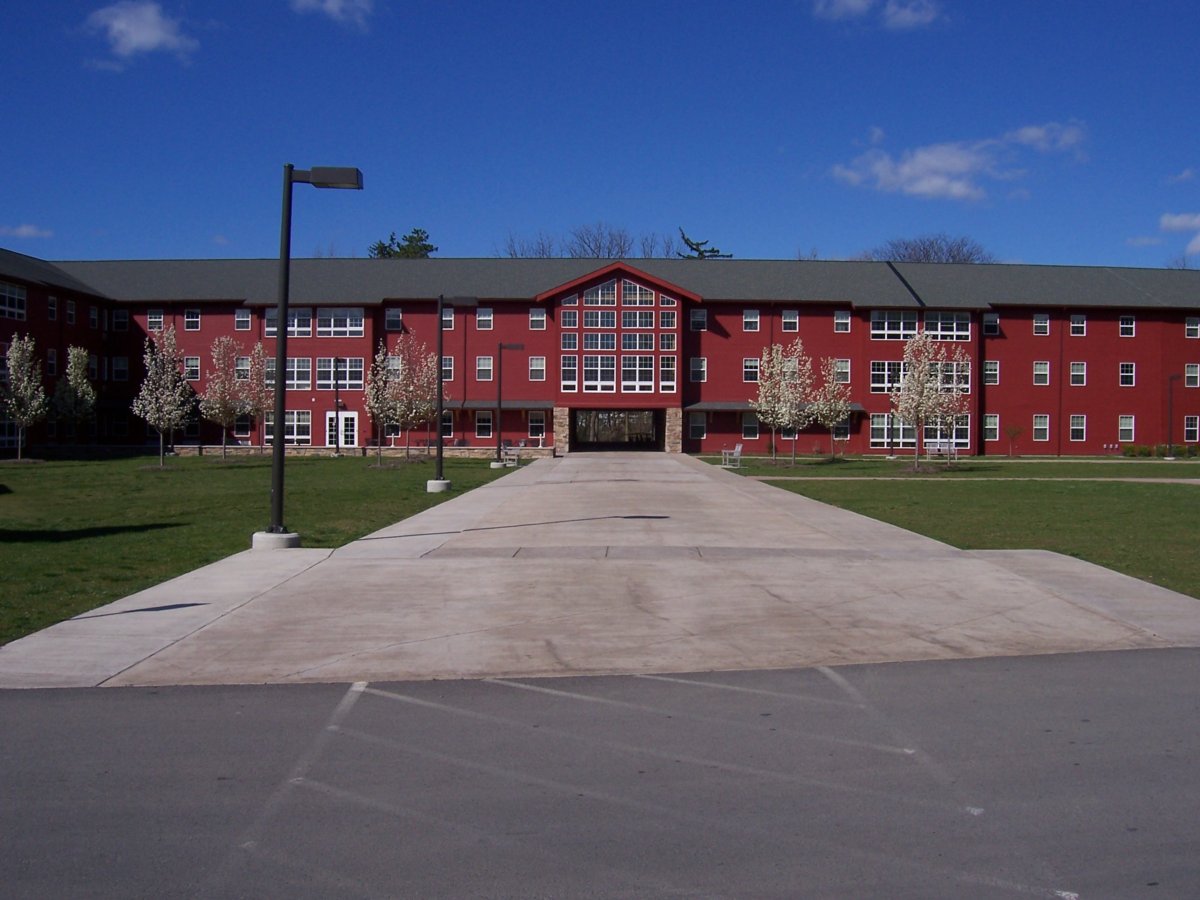
- Housing Capacity
- 353 beds
- Calendar System
- Semester
- Founded
- 1965
Campus Safety (2023)
18 total reported incidents. Source: Clery Act / U.S. Department of Education
| Offense | On Campus | Residential | Noncampus | Public Property |
|---|---|---|---|---|
| Dating Violence | 5 | 5 | 0 | 0 |
| Fondling | 2 | 2 | 0 | 0 |
| Rape | 1 | 1 | 0 | 0 |
| Stalking | 1 | 1 | 0 | 0 |
Climate & Weather
- January Avg
- 17°–32°F
- July Avg
- 61°–81°F
- Annual Precipitation
- 33.9"
- Annual Snowfall
- 0.0"
Student Demographics
- Men
- 43.4%
- Women
- 56.6%
- White
- 73.2%
- Black
- 9.5%
- Hispanic
- 8.7%
- Asian
- 1.4%
- In-State Students
- 98.7%
- Pell Grant Recipients
- 25.8%
Location
- Address
- Canandaigua, New York 14424-8395
After College
Source: College Scorecard / U.S. Department of Education
- Median Earnings (10 years)
- $40,054
- Median Earnings (5 years)
- $41,471
- Mean Earnings (6 years after entry)
- $27,400
- Loan Repayment Rate
- 40.2%
- Monthly Loan Payment
- $138/mo
- Median Debt at Graduation
- $12,975
Frequently Asked Questions
How competitive is admission to Finger Lakes Community College?
Community colleges typically have open admission policies, making Finger Lakes accessible to most students who apply. The college serves 2,900 students and draws almost exclusively from New York state, with 98.69% of students coming from in-state. This local focus reflects the college's mission to serve the Finger Lakes region with practical career training.
How much does Finger Lakes Community College cost after financial aid?
Students pay an average net price of $14,186 annually after financial aid is applied. In-state tuition starts at just $6,138, though the total cost including room and board reaches $21,983 for residential students. About 26% of students receive Pell Grants, indicating the college serves many working-class families in the region.
What academic programs is Finger Lakes Community College known for?
The college specializes in two-year programs in nursing, criminal justice, and business that prepare students for either transfer or immediate employment. With a 15:1 student-faculty ratio, students get personalized attention in these career-focused programs. The college's practical approach reflects its role as a stepping stone for local students entering the workforce.
What are the job prospects for Finger Lakes Community College graduates?
Graduates achieve a strong 92.2% employment rate, demonstrating the value of the college's career-focused training. However, the 28% six-year graduation rate reflects challenges common to community colleges where many students attend part-time or take breaks. Those who complete programs earn a median of $40,054 ten years after enrollment.
What is campus life like at Finger Lakes Community College?
The rural-fringe campus in Canandaigua offers a small-town college experience with housing for 353 students. The Lakers compete in 16 varsity sports through the NCCAA with 240 total athletes participating. The student body is 56.59% women and primarily white, reflecting the demographics of upstate New York's Finger Lakes region.
How manageable is student debt at Finger Lakes Community College?
Graduates who borrow money leave with a median debt of just $12,975, resulting in monthly loan payments of $138. The loan repayment rate of 40.18% suggests some graduates struggle with payments, but the relatively low debt burden makes this more manageable than at four-year institutions. About 25% of students take out federal loans to finance their education.