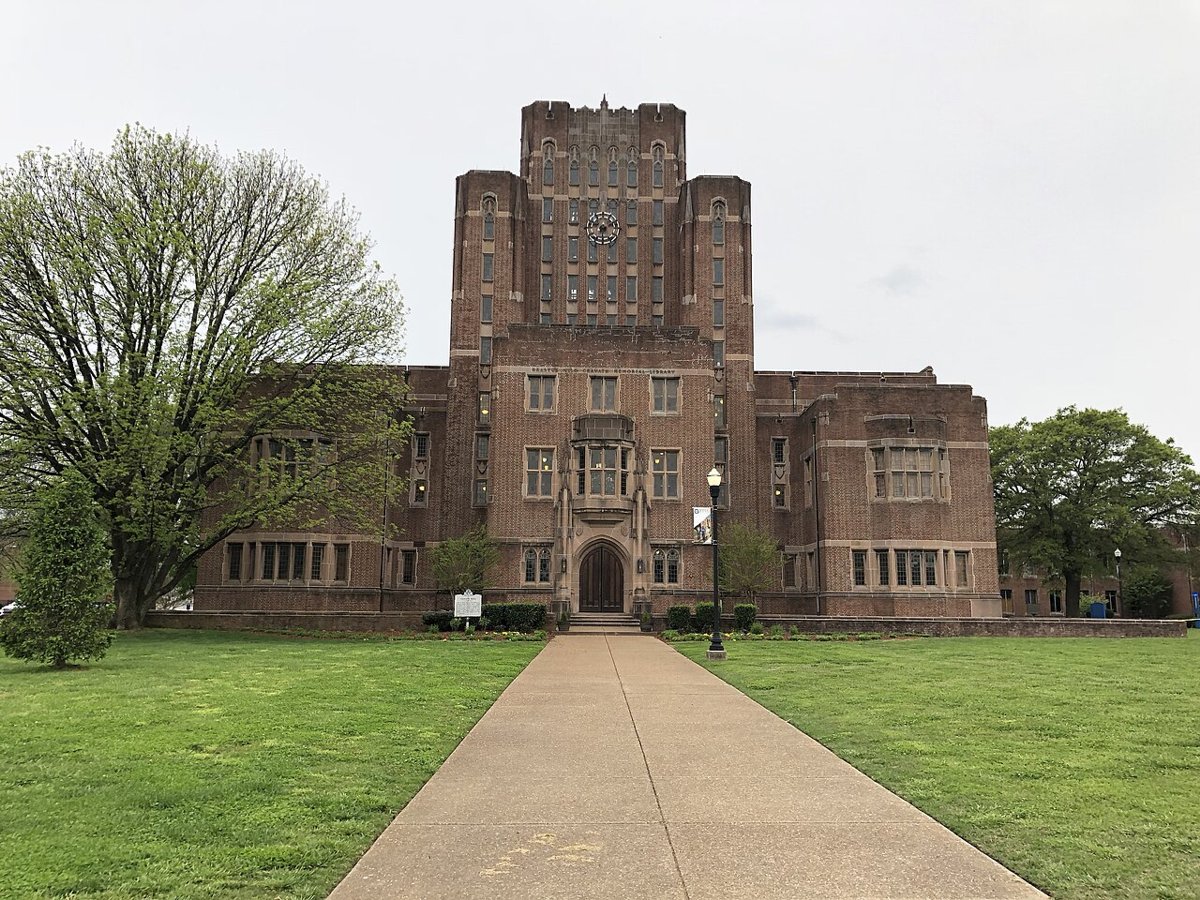
About Fisk University
The financial picture requires careful consideration. Students pay an average net price of $26,135 after aid, but graduates earn a median of $45,454 ten years after starting school. Those who borrow graduate with a median debt of $27,000, leading to monthly loan payments of $286. The 4-year graduation rate sits at 49.10%, meaning many students take longer to complete their degrees and accumulate additional costs.
Women make up 67.37% of the student body, and 83.37% of students are Black, reflecting Fisk's role as a leading HBCU. The student-faculty ratio of 11:1 allows for personal attention in classes. The Bulldogs compete in 11 NAIA sports with 120 total athletes, though athletics take a backseat to academics and the university's rich cultural traditions.
Academics & Faculty
Source: College Scorecard / U.S. Department of Education
- Student-to-Faculty Ratio
- 11:1
- Full-Time Faculty
- 58.0%
- Graduation Rate (4-year)
- 49.1%
- Graduation Rate (6-year)
- 43.5%
- Retention Rate
- 72.8%
- Median Earnings (10 years)
- $45,454
- Carnegie Classification
- Liberal Arts College
Campus Life
Women make up 67% of the student body, creating a supportive sisterhood atmosphere that defines campus culture. The legendary Fisk Jubilee Singers still perform regularly, continuing a tradition that helped fund the university's founding in 1866. Students frequently walk to nearby Vanderbilt or catch live music on Broadway downtown. The 11:1 student-to-faculty ratio means professors know your name and story. Weekend social life revolves around Greek organizations, campus events, and Nashville's endless entertainment options. With 83% of students being Black, there's a strong sense of shared identity and purpose. The intimate campus size means you'll recognize most faces within your first semester.
- Setting
- City-Large
- Housing Capacity
- 894 beds
- Calendar System
- Semester
- Study Abroad
- Available
- Founded
- 1866
Campus Safety (2023)
6 total reported incidents. Source: Clery Act / U.S. Department of Education
| Offense | On Campus | Residential | Noncampus | Public Property |
|---|---|---|---|---|
| Burglary | 2 | 1 | 0 | 0 |
| Rape | 1 | 1 | 0 | 0 |
| Motor Vehicle Theft | 1 | 0 | 0 | 0 |
Climate & Weather
- January Avg
- 27°–48°F
- July Avg
- 67°–89°F
- Annual Precipitation
- 53.2"
- Annual Snowfall
- 4.7"
Student Demographics
- Men
- 32.6%
- Women
- 67.4%
- White
- 0.0%
- Black
- 83.4%
- Hispanic
- 0.6%
- Asian
- 1.2%
- In-State Students
- 24.7%
- Pell Grant Recipients
- 48.3%
Location
- Address
- Nashville, Tennessee 37208-4501

After College
Source: College Scorecard / U.S. Department of Education
- Median Earnings (10 years)
- $45,454
- Median Earnings (5 years)
- $50,878
- Mean Earnings (6 years after entry)
- $26,000
- Loan Repayment Rate
- 39.9%
- Monthly Loan Payment
- $286/mo
- Median Debt at Graduation
- $27,000
Frequently Asked Questions
What is the acceptance rate at Fisk University?
Fisk University accepts 70.97% of applicants with an average SAT score of 1270. This historic HBCU founded in 1866 maintains a selective but accessible admissions process for students seeking a liberal arts education.
How much does Fisk University cost after financial aid?
The average net price at Fisk University is $26,135, with 48.27% of students receiving Pell Grants. Students from families earning under $30,000 pay an average of $21,410 annually after aid.
What is the student-faculty ratio at Fisk University?
Fisk University maintains an 11:1 student-faculty ratio with just 950 total students. This intimate setting supports the university's reputation for strong liberal arts programs and personalized attention in Nashville.
What are the graduation rates at Fisk University?
Fisk University has a 43.50% six-year graduation rate and 49.10% four-year graduation rate. Graduates earn a median salary of $45,454 ten years after graduation, reflecting the value of an HBCU liberal arts education.
Where do most Fisk University students come from?
Only 24.70% of Fisk University students are from Tennessee, drawing a national student body to Nashville. The university serves 83.37% Black students and 67.37% women, maintaining its mission as a historically Black institution.
What is Fisk University most famous for?
Fisk University is well-known for the world-famous Fisk Jubilee Singers who introduced spirituals to international audiences. The university has educated civil rights icons like W.E.B. Du Bois and John Lewis, cementing its legacy in American history.