About George Washington University
The sticker price hits $64,990 for tuition, but most students pay far less through generous aid packages. The average net price drops to $37,454, making this expensive education more accessible. Graduates earn a median of $90,873 within ten years, easily justifying the typical debt load of $20,449. Monthly loan payments average just $217, a manageable burden given the strong earning potential.
Women make up 63% of the student body, creating a female-majority environment. Only 2% of students come from in-state, reflecting GW's national draw as a destination for ambitious students seeking Washington connections. The 85% six-year graduation rate shows most students successfully navigate this demanding academic environment to launch influential careers.
Academics & Faculty
Source: College Scorecard / U.S. Department of Education
- Student-to-Faculty Ratio
- 12:1
- Full-Time Faculty
- 51.9%
- Graduation Rate (4-year)
- 85.0%
- Graduation Rate (6-year)
- 85.2%
- Retention Rate
- 91.9%
- Median Earnings (10 years)
- $90,873
- Carnegie Classification
- Doctoral University (R1)
Popular Programs by Earnings
| Program | Level | Median Earnings |
|---|---|---|
| Systems Engineering. | Doctoral | $146,893 |
| Registered Nursing, Nursing Administration, Nursing Research and Clinical Nursing. | Doctoral | $127,142 |
| Business Administration, Management and Operations. | Master | $114,046 |
| Management Sciences and Quantitative Methods. | Master | $106,421 |
| Human Resources Management and Services. | Doctoral | $106,421 |
| Public Health. | Certificate | $104,192 |
| Registered Nursing, Nursing Administration, Nursing Research and Clinical Nursing. | Certificate | $104,192 |
| Allied Health Diagnostic, Intervention, and Treatment Professions. | Master | $104,061 |
| Computer Science. | Master | $101,964 |
| Registered Nursing, Nursing Administration, Nursing Research and Clinical Nursing. | Master | $101,254 |
Campus Life
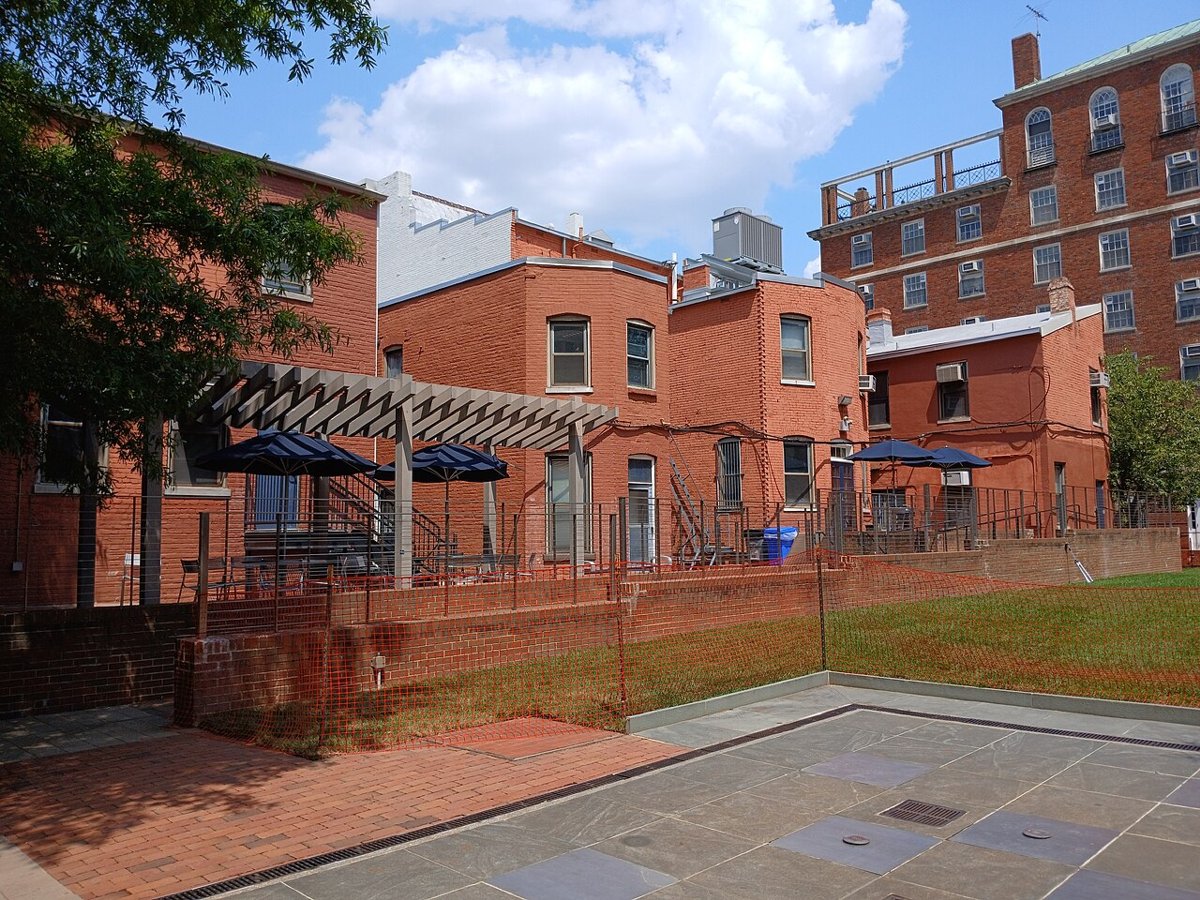
Weekends often blur the line between campus and city life. Students intern at the State Department on Friday, then grab dinner in Foggy Bottom or explore Georgetown's waterfront. The Revolutionaries compete in 17 Division I sports, drawing crowds to basketball games at the Charles E. Smith Center. With only 1.67% of students from DC itself, the campus creates a diverse community of political junkies and future diplomats. Coffee shops buzz with debates about policy, while the Kennedy Political Union hosts major speakers. The 12:1 student-faculty ratio means professors know your name, crucial when you're networking in a city built on relationships.
- Setting
- City-Large
- Housing Capacity
- 7,274 beds
- Calendar System
- Semester
- Study Abroad
- Available
- Founded
- 1821
Campus Safety (2023)
70 total reported incidents. Source: Clery Act / U.S. Department of Education
| Offense | On Campus | Residential | Noncampus | Public Property |
|---|---|---|---|---|
| Stalking | 17 | 8 | 0 | 1 |
| Rape | 8 | 8 | 0 | 0 |
| Fondling | 2 | 1 | 0 | 6 |
| Dating Violence | 3 | 3 | 0 | 0 |
| Aggravated Assault | 3 | 1 | 0 | 1 |
| Robbery | 0 | 0 | 0 | 4 |
| Domestic Violence | 1 | 1 | 0 | 1 |
| Burglary | 1 | 0 | 0 | 0 |
Climate & Weather
- January Avg
- 30°–44°F
- July Avg
- 72°–89°F
- Annual Precipitation
- 41.8"
- Annual Snowfall
- 13.7"
Student Demographics
- Men
- 36.8%
- Women
- 63.2%
- White
- 49.3%
- Black
- 7.7%
- Hispanic
- 13.1%
- Asian
- 15.0%
- In-State Students
- 1.7%
- Pell Grant Recipients
- 14.8%
Location
- Address
- Washington, District of Columbia 20052
After College
Source: College Scorecard / U.S. Department of Education
- Median Earnings (10 years)
- $90,873
- Median Earnings (5 years)
- $91,442
- Mean Earnings (6 years after entry)
- $58,600
- Loan Repayment Rate
- 80.3%
- Monthly Loan Payment
- $217/mo
- Median Debt at Graduation
- $20,449
Frequently Asked Questions
What is the acceptance rate at George Washington University?
George Washington University accepts 49% of applicants, making it moderately selective. The middle 50% of admitted students score between 1330-1490 on the SAT. The university attracts students drawn to its prime Washington DC location and strong government connections.
How much does George Washington University cost after financial aid?
Students pay an average net price of $37,454 after aid, though the sticker price reaches $82,690 with room and board. Only 15% of students receive Pell Grants, reflecting the wealthy student body. Graduates typically leave with $20,449 in debt, manageable given the strong earning potential.
What are the strongest academic programs at George Washington University?
The university excels in international affairs, political science, and business, leveraging its DC location for internships and networking. Students benefit from a 12:1 student-faculty ratio and direct access to government agencies. The 85% six-year graduation rate reflects solid academic support and student engagement.
What do George Washington University graduates earn after college?
Alumni earn a median salary of $90,873 ten years after graduation, well above the national average. The 94% employment rate demonstrates strong job market outcomes. Notable graduates include President John F. Kennedy and Secretary of State Colin Powell, showcasing the university's political influence.
Where do students live at George Washington University?
The university houses 7,274 students on campus in the heart of Washington DC. With 10,848 total enrollment, many upperclassmen live off-campus in the active Foggy Bottom neighborhood. The 92% retention rate suggests students love the urban campus experience and city opportunities.
Is George Washington University diverse in terms of student background?
The student body is 63% female and draws from across the country, with only 2% of students from DC itself. The campus is 49% white, 15% Asian, 13% Hispanic, and 8% Black. This geographic and demographic diversity creates a cosmopolitan atmosphere fitting for the nation's capital.