
About Georgia Highlands College
Students pay an average net price of $6,588 after financial aid, making this one of Georgia's most affordable college options. In-state tuition runs just $2,944 annually. Graduates earn a median of $43,184 ten years after enrollment, while carrying typical debt loads of only $12,000. The numbers work out to monthly loan payments of $127, a manageable burden given the employment rate of 92.2%.
The student body skews female at 66%, reflecting the school's strong programs in healthcare and education. Only 20.8% of students graduate within six years, but this reflects the community college model where many transfer before completing degrees. The Chargers field four varsity sports with 91 total athletes competing in NJCAA divisions. With a 20:1 student-faculty ratio, classes stay relatively intimate despite the school's size.
Academics & Faculty
Source: College Scorecard / U.S. Department of Education
- Student-to-Faculty Ratio
- 20:1
- Full-Time Faculty
- 53.0%
- Graduation Rate (4-year)
- 19.7%
- Graduation Rate (6-year)
- 20.8%
- Retention Rate
- 67.3%
- Median Earnings (10 years)
- $43,184
- Carnegie Classification
- Baccalaureate/Associate College
Popular Programs by Earnings
| Program | Level | Median Earnings |
|---|---|---|
| Registered Nursing, Nursing Administration, Nursing Research and Clinical Nursing. | Associate | $57,860 |
| Liberal Arts and Sciences, General Studies and Humanities. | Associate | $25,856 |
Campus Life
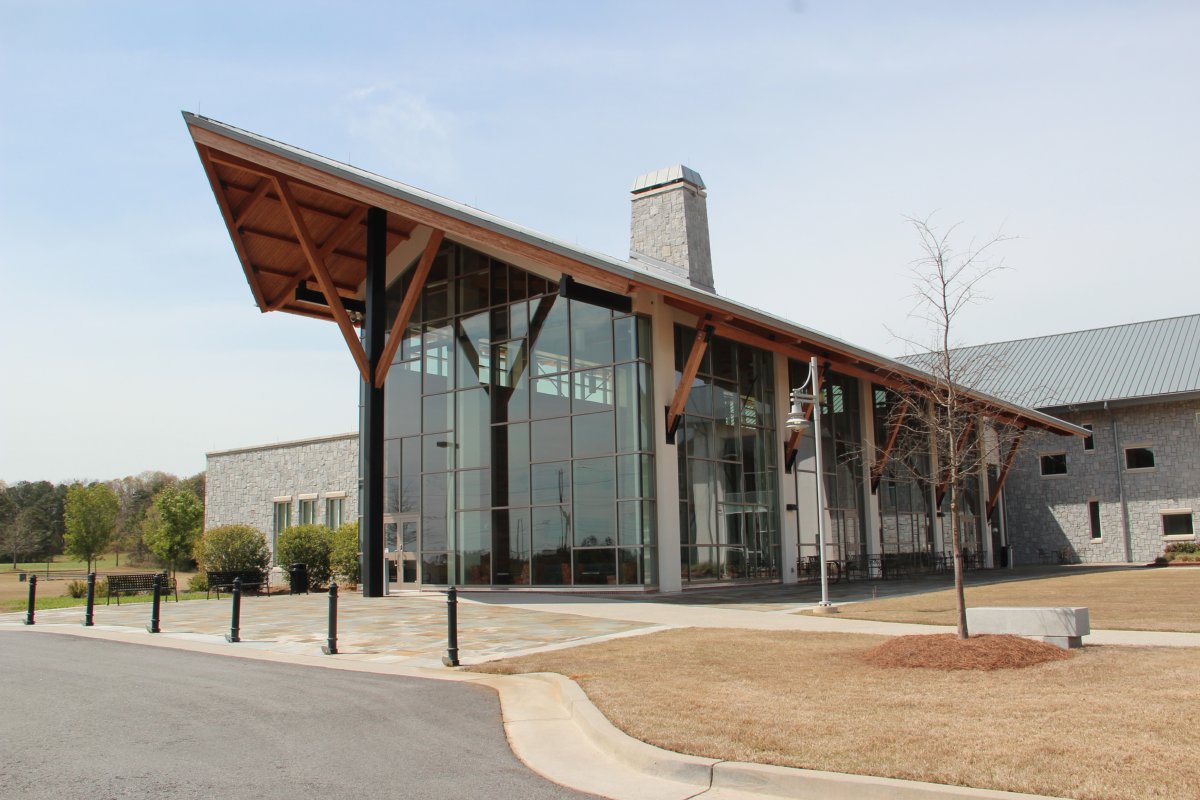
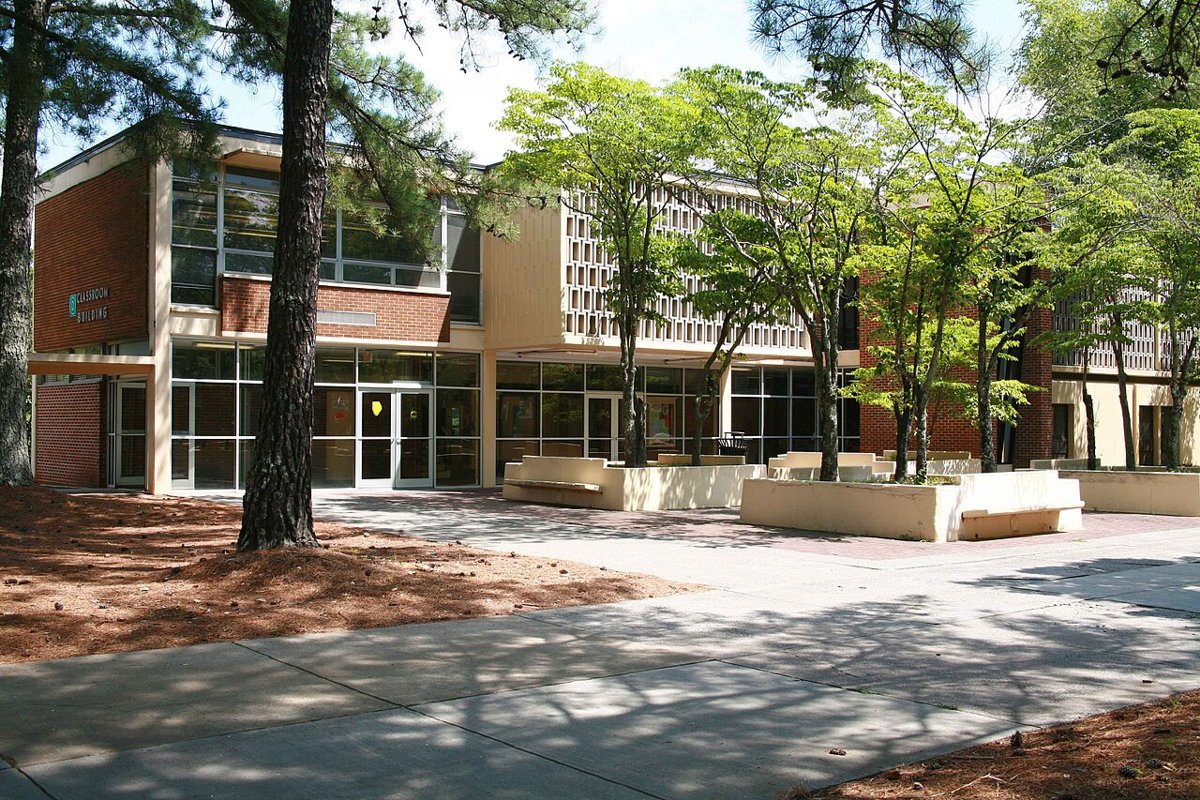
The community college atmosphere revolves around commuter life rather than residential traditions. With just four varsity sports and 91 total athletes competing at the NJCAA level, campus energy comes from academic programs rather than athletics. Students often work part-time jobs alongside their studies, reflected in the strong 92.2% employment rate. Most social connections happen through classes, study groups, and the library rather than dormitories or Greek life. Weekends typically mean heading home or working, as this serves as a stepping stone for students planning to transfer to four-year universities or enter the workforce with career credentials.
- Setting
- Suburb-Small
- Calendar System
- Semester
- Study Abroad
- Available
- Founded
- 1970
Campus Safety (2023)
2 total reported incidents. Source: Clery Act / U.S. Department of Education
| Offense | On Campus | Residential | Noncampus | Public Property |
|---|---|---|---|---|
| Fondling | 2 | 0 | 0 | 0 |
Climate & Weather
- January Avg
- 31°–52°F
- July Avg
- 70°–89°F
- Annual Precipitation
- 54.1"
- Annual Snowfall
- -2,332.4"
Student Demographics
- Men
- 34.4%
- Women
- 65.6%
- White
- 55.9%
- Black
- 17.2%
- Hispanic
- 20.0%
- Asian
- 1.1%
- In-State Students
- 92.6%
- Pell Grant Recipients
- 39.4%
Location
- Address
- Rome, Georgia 30161-3897
After College
Source: College Scorecard / U.S. Department of Education
- Median Earnings (10 years)
- $43,184
- Median Earnings (5 years)
- $43,383
- Mean Earnings (6 years after entry)
- $30,400
- Loan Repayment Rate
- 41.8%
- Monthly Loan Payment
- $127/mo
- Median Debt at Graduation
- $12,000
Frequently Asked Questions
What are the admission requirements at Georgia Highlands College?
Georgia Highlands College maintains an open admission policy as a community college, welcoming students who want to start their higher education journey. The school serves 4,441 students with a 67.31% retention rate. Most students use the college as a stepping stone to transfer to four-year universities or gain career training.
How much does Georgia Highlands College cost after financial aid?
Students pay an average net price of $6,588 annually, making it highly affordable for Georgia families. In-state tuition costs just $2,944 per year, while students from families earning under $30,000 pay only $4,996 after aid. The typical graduate leaves with $12,000 in debt and monthly loan payments of $127.
What is the student-faculty ratio at Georgia Highlands College?
Classes average 20 students per faculty member, providing reasonable access to instructors for a community college. The school operates on a semester calendar system and focuses primarily on transfer preparation and workforce development. Students can choose from programs designed to transfer to four-year institutions or enter the job market directly.
What are the job prospects for Georgia Highlands College graduates?
Graduates achieve a 92.2% employment rate, demonstrating strong workforce preparation despite the college's focus on transfer students. Alumni earn a median salary of $43,184 ten years after enrollment. However, only 20.80% of students complete their programs within six years, reflecting the college's role as a transfer institution where many students move on before graduating.
Where is Georgia Highlands College located and what is campus life like?
The main campus sits in Rome, Georgia, a small suburban community in the state's northwest region. Women make up 65.57% of the student body, while 92.58% of students come from within Georgia. The Chargers compete in four NJCAA sports with 91 total athletes receiving $193,423 in athletic scholarships.
Does Georgia Highlands College serve low-income students well?
Nearly 40% of students receive Pell Grants, indicating strong service to low-income families in northwest Georgia. Students from the lowest-income families pay under $5,000 annually after financial aid. The college has served the region since 1970, building a reputation as an accessible entry point to higher education for working-class communities.