

About Georgia Institute of Technology-Main Campus
The financial picture looks compelling for families willing to invest in a Tech education. Students pay an average net price of $13,289 after aid, while graduates earn a median salary of $102,772 ten years post-graduation. Those numbers translate to manageable debt loads, with typical graduates owing $21,672 and making monthly loan payments of $230. The return on investment proves strong when Tech grads enter the workforce earning $87,556 in their first year.
Tech's demanding academic culture shows in its numbers. The school maintains a 97.74% retention rate as students stick with their chosen path despite the workload. With a 96.2% employment rate after graduation, Tech delivers on its promise of career preparation. The campus buzzes with ambition as 60% male and 40% female students push each other toward excellence in STEM fields.
Academics & Faculty
Source: College Scorecard / U.S. Department of Education
- Student-to-Faculty Ratio
- 18:1
- Full-Time Faculty
- 89.2%
- Graduation Rate (4-year)
- 92.4%
- Graduation Rate (6-year)
- 92.3%
- Retention Rate
- 97.7%
- Median Earnings (10 years)
- $102,772
- Carnegie Classification
- Doctoral University (R1)
Popular Programs by Earnings
| Program | Level | Median Earnings |
|---|---|---|
| Business Administration, Management and Operations. | Master | $127,034 |
| Computer and Information Sciences, General. | Master | $111,196 |
| Electrical, Electronics and Communications Engineering. | Doctoral | $106,421 |
| Electrical, Electronics and Communications Engineering. | Master | $101,406 |
| Systems Engineering. | Master | $100,075 |
| Computer Science. | Master | $92,632 |
| Computer and Information Sciences, General. | Bachelor | $91,152 |
| Aerospace, Aeronautical and Astronautical Engineering. | Master | $90,983 |
| Aerospace, Aeronautical and Astronautical Engineering. | Doctoral | $86,867 |
| Mechanical Engineering. | Master | $85,834 |
Campus Life
The 60% male enrollment reflects the engineering focus, and students spend weekends balancing intense academics with city adventures. Many head to Atlanta's music venues, restaurants, and internship opportunities at major tech companies. The 97.74% retention rate suggests students adapt well to the demanding coursework and competitive atmosphere. Campus traditions like the Ramblin' Wreck parade and rivalry with the University of Georgia create school spirit that cuts through the academic pressure. The semester calendar system gives students structured breaks between challenging course loads. With a median debt of just $21,672 despite the rigorous programs, students see the intense workload as worth the investment.
- Setting
- City-Large
- Housing Capacity
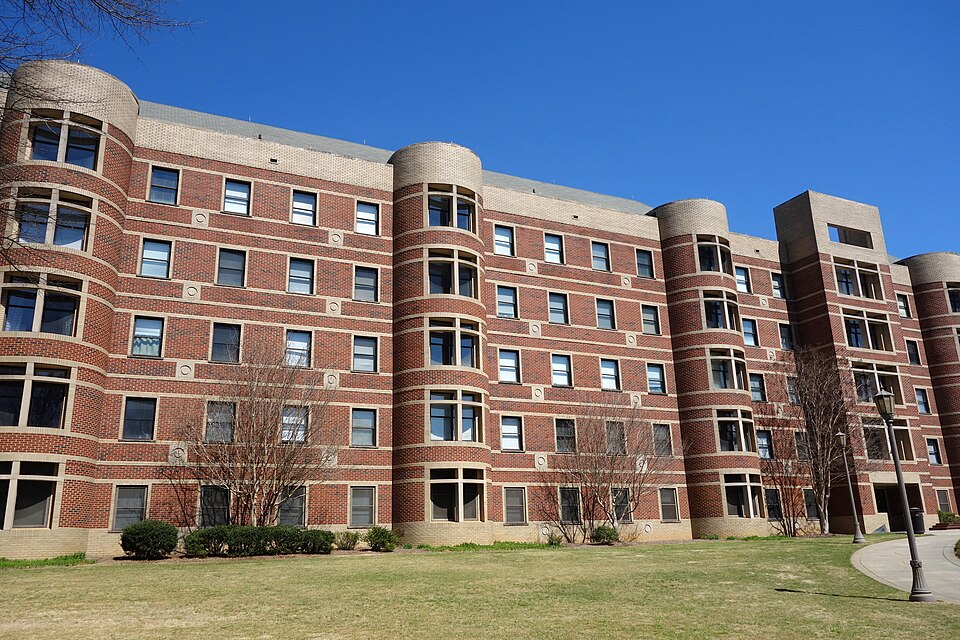
- 8,805 beds
- Calendar System
- Semester
- Study Abroad
- Available
Campus Safety (2023)
181 total reported incidents. Source: Clery Act / U.S. Department of Education
| Offense | On Campus | Residential | Noncampus | Public Property |
|---|---|---|---|---|
| Motor Vehicle Theft | 103 | 3 | 1 | 6 |
| Burglary | 14 | 7 | 12 | 0 |
| Stalking | 7 | 2 | 0 | 0 |
| Fondling | 3 | 3 | 0 | 1 |
| Dating Violence | 4 | 2 | 0 | 0 |
| Aggravated Assault | 2 | 0 | 0 | 2 |
| Arson | 1 | 0 | 0 | 2 |
| Rape | 2 | 1 | 0 | 0 |
| Domestic Violence | 1 | 0 | 0 | 1 |
| Robbery | 1 | 0 | 0 | 0 |
Climate & Weather
- January Avg
- 33°–53°F
- July Avg
- 70°–90°F
- Annual Precipitation
- 48.1"
- Annual Snowfall
- 0.5"
Student Demographics
- Men
- 60.2%
- Women
- 39.8%
- White
- 36.0%
- Black
- 8.3%
- Hispanic
- 8.5%
- Asian
- 32.7%
- In-State Students
- 53.5%
- Pell Grant Recipients
- 13.7%
Location
- Address
- Atlanta, Georgia 30332-0530

After College
Source: College Scorecard / U.S. Department of Education
- Median Earnings (10 years)
- $102,772
- Median Earnings (5 years)
- $104,923
- Mean Earnings (6 years after entry)
- $66,100
- Loan Repayment Rate
- 84.7%
- Monthly Loan Payment
- $230/mo
- Median Debt at Graduation
- $21,672
Frequently Asked Questions
What is the acceptance rate at Georgia Institute of Technology-Main Campus?
Georgia Tech admits only 17.13% of applicants, making it one of the most selective public universities in the country. Admitted students typically score between 1370-1550 on the SAT, reflecting the school's reputation as a top-tier engineering institution.
How much does Georgia Institute of Technology-Main Campus cost after financial aid?
The average net price is $13,289, though only 13.67% of students receive need-based aid. In-state students pay $11,764 in tuition while out-of-state students face $32,876, but Georgia Tech's strong job placement helps justify the investment.
What is Georgia Institute of Technology-Main Campus known for academically?
Georgia Tech maintains an 18:1 student-faculty ratio and dominates engineering and technology fields. The school's rigorous programs produce graduates who earn a median salary of $102,772 ten years after graduation, among the highest in the nation.
What are the career outcomes at Georgia Institute of Technology-Main Campus?
An impressive 96.2% of graduates find employment, with starting salaries averaging $87,556 in the first year. Georgia Tech's strong ties to tech companies and Atlanta's booming job market create exceptional opportunities for its engineering and computer science graduates.
Where is Georgia Institute of Technology-Main Campus located and what's campus life like?
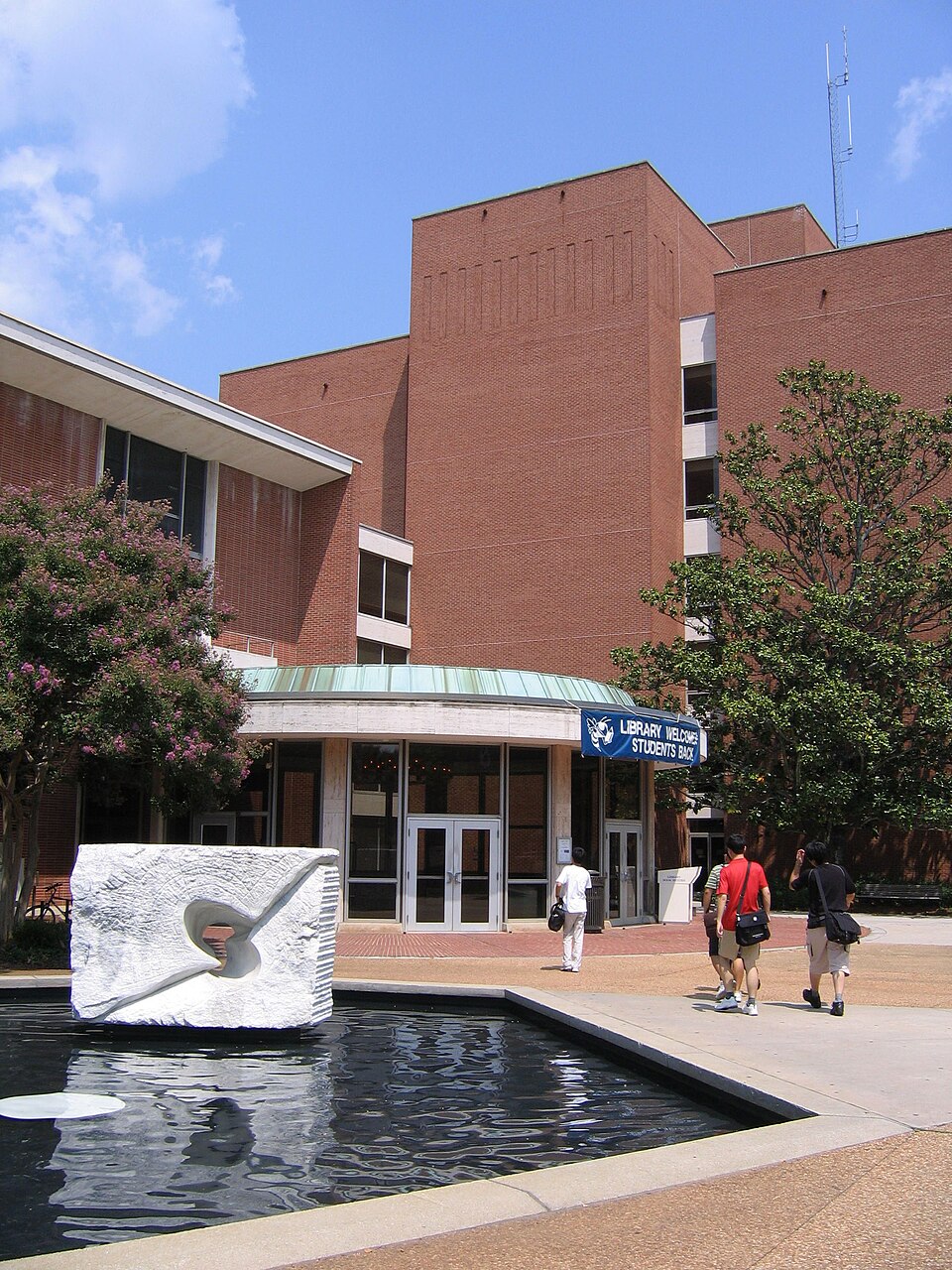
The campus sits in the heart of Atlanta, housing 8,805 students in on-campus facilities. With 13 varsity sports and Division I athletics, Georgia Tech maintains a spirited rivalry with the University of Georgia while offering big-city internship and job opportunities.
How diverse is the student body at Georgia Institute of Technology-Main Campus?
The student population is 60.23% male and includes significant representation from Asian students at 32.73%. With students from across the nation (53.50% in-state) and strong international presence, Georgia Tech reflects the global nature of the technology industry it serves.
Similar Schools

University of North Carolina at Chapel Hill
Chapel Hill, North Carolina

University of Virginia
Charlottesville, Virginia

University of California-Santa Barbara
Santa Barbara, California

Georgia State University
Atlanta, Georgia

Georgia Southern University
Statesboro, Georgia

Georgia State University-Perimeter College
Atlanta, Georgia