
About Georgia State University
Students pay an average net price of $15,931 after financial aid, making it one of the more affordable options in Georgia. Half of all students receive Pell Grants, reflecting the university's commitment to serving lower-income families. Graduates earn a median salary of $47,384 ten years after graduation with typical debt of $20,903. The monthly loan payment averages $222, which represents a manageable burden given earning potential. Employment rates reach 93% after graduation.
The student body reflects Atlanta's diversity, with 42% Black students, 17% Asian students, and 15% Hispanic students creating one of the most diverse campuses in the Southeast. The Panthers compete in NCAA Division I athletics across 14 sports. The 54% four-year graduation rate lags behind national averages, though many students attend part-time while working.
Academics & Faculty
Source: College Scorecard / U.S. Department of Education
- Student-to-Faculty Ratio
- 25:1
- Full-Time Faculty
- 73.9%
- Graduation Rate (4-year)
- 54.3%
- Graduation Rate (6-year)
- 53.7%
- Retention Rate
- 78.4%
- Median Earnings (10 years)
- $47,384
- Carnegie Classification
- Doctoral University (R1)
Popular Programs by Earnings
| Program | Level | Median Earnings |
|---|---|---|
| Health and Medical Administrative Services. | Master | $95,739 |
| Educational Administration and Supervision. | Doctoral | $95,473 |
| Business/Commerce, General. | Master | $92,358 |
| Computer and Information Sciences, General. | Master | $91,744 |
| Registered Nursing, Nursing Administration, Nursing Research and Clinical Nursing. | Master | $91,539 |
| Real Estate. | Master | $89,305 |
| Registered Nursing, Nursing Administration, Nursing Research and Clinical Nursing. | Certificate | $86,129 |
| Teacher Education and Professional Development, Specific Subject Areas. | Doctoral | $77,401 |
| Computer Science. | Bachelor | $69,338 |
| Rehabilitation and Therapeutic Professions. | Doctoral | $68,858 |
Campus Life
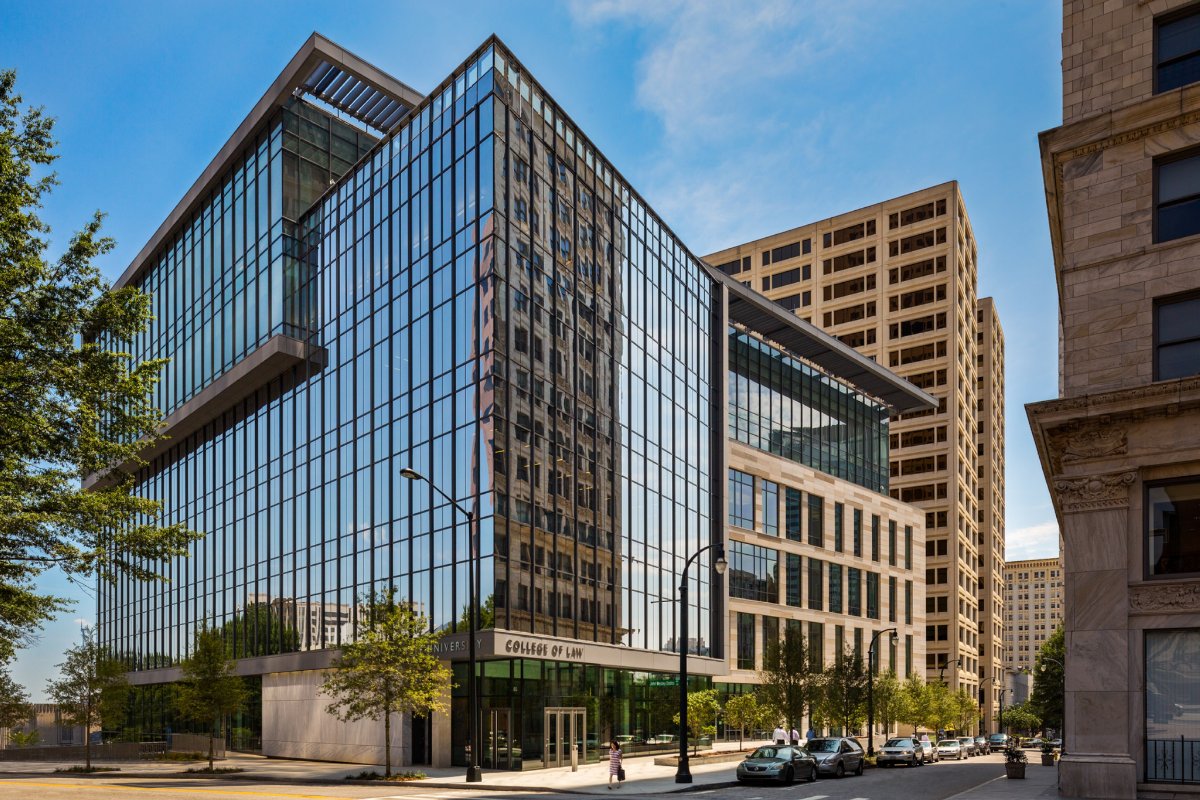
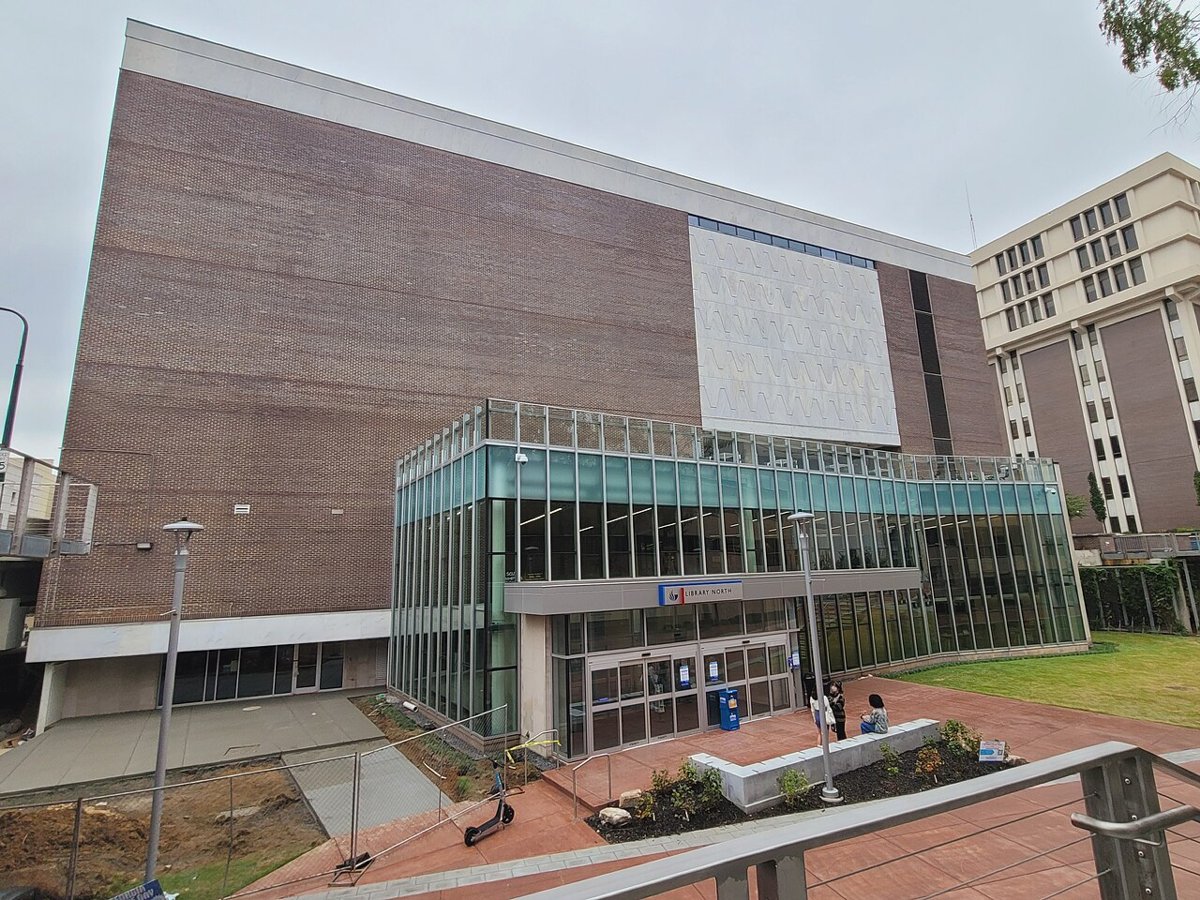
Atlanta's mild climate means light jackets in winter and plenty of air conditioning in summer. Students grab lunch at food trucks on Decatur Street or study in the library that used to be a department store. Weekend activities center around the city rather than campus traditions. Students explore neighborhoods like Little Five Points, catch Hawks or Braves games, or hit the BeltLine trail. With 80% of students from in-state, many head home on weekends. The 25:1 student-faculty ratio reflects the university's size, where large lecture halls are common. GSU feels more like navigating a busy urban campus than attending a traditional college town school.
- Setting
- City-Large
- Housing Capacity
- 5,271 beds
- Calendar System
- Semester
- Study Abroad
- Available
- Founded
- 1913
Campus Safety (2023)
65 total reported incidents. Source: Clery Act / U.S. Department of Education
| Offense | On Campus | Residential | Noncampus | Public Property |
|---|---|---|---|---|
| Fondling | 7 | 4 | 1 | 5 |
| Stalking | 9 | 3 | 0 | 0 |
| Rape | 5 | 5 | 0 | 1 |
| Burglary | 8 | 1 | 0 | 0 |
| Aggravated Assault | 3 | 0 | 0 | 4 |
| Dating Violence | 2 | 2 | 0 | 0 |
| Motor Vehicle Theft | 3 | 0 | 0 | 0 |
| Murder | 1 | 0 | 0 | 0 |
| Robbery | 1 | 0 | 0 | 0 |
Climate & Weather
- January Avg
- 33°–53°F
- July Avg
- 70°–90°F
- Annual Precipitation
- 48.1"
- Annual Snowfall
- 0.5"
Student Demographics
- Men
- 40.6%
- Women
- 59.4%
- White
- 16.6%
- Black
- 42.4%
- Hispanic
- 14.6%
- Asian
- 16.6%
- In-State Students
- 80.3%
- Pell Grant Recipients
- 50.1%
Location
- Address
- Atlanta, Georgia 30303-3083

After College
Source: College Scorecard / U.S. Department of Education
- Median Earnings (10 years)
- $47,384
- Median Earnings (5 years)
- $56,218
- Mean Earnings (6 years after entry)
- $38,100
- Loan Repayment Rate
- 44.4%
- Monthly Loan Payment
- $222/mo
- Median Debt at Graduation
- $20,903
Frequently Asked Questions
What is the acceptance rate at Georgia State University?
Georgia State accepts 66.78% of applicants with an average SAT score of 1135. The university draws heavily from Georgia, with 80.28% of students coming from in-state.
How much does Georgia State University cost after financial aid?
The average net price is $15,931 annually, with 50.11% of students receiving financial aid. Students from families earning under $30,000 pay just $13,552 on average, making this downtown Atlanta education surprisingly affordable.
What is Georgia State University known for academically?
Georgia State operates as a major public research university with a 25:1 student-faculty ratio serving 27,109 students. The school has built a strong reputation in business, public health, and urban studies, taking advantage of its downtown Atlanta location.
What are the graduation outcomes at Georgia State University?
The six-year graduation rate stands at 53.70%, with graduates earning a median salary of $47,384 ten years after enrollment. The 92.6% employment rate reflects the university's strong connections to Atlanta's job market.
Where do students live at Georgia State University?
Campus housing accommodates 5,271 students in the heart of downtown Atlanta's business district. The urban setting means students live surrounded by internship opportunities, cultural venues, and the energy of Georgia's largest city.
How diverse is the student body at Georgia State University?
The student population is 42.39% Black, 16.64% White, 16.63% Asian, and 14.60% Hispanic, making it one of the most diverse universities in the South. Women comprise 59.44% of the 27,109 students, creating a majority-female, minority-majority campus.