About Harcum College
Students pay an average net price of $24,791 after financial aid, with 53% receiving federal Pell grants for low-income families. Graduates earn a median of $46,827 ten years after completion, making the typical monthly loan payment of $195 manageable for most. The median debt of $18,440 reflects the college's focus on quick workforce entry rather than extended academic programs. Lower-income students pay less, with families earning under $48,000 paying around $21,000 annually.
Women make up 83% of the student body, reflecting Harcum's strength in traditionally female-dominated health fields. The college maintains a 95% employment rate for graduates, demonstrating strong industry connections. About 89% of students come from Pennsylvania, creating a tight-knit community where many students pursue similar career paths in the region's healthcare systems.
Academics & Faculty
Source: College Scorecard / U.S. Department of Education
- Student-to-Faculty Ratio
- 7:1
- Full-Time Faculty
- 29.3%
- Graduation Rate (6-year)
- 38.8%
- Median Earnings (10 years)
- $46,827
Popular Programs by Earnings
| Program | Level | Median Earnings |
|---|---|---|
| Registered Nursing, Nursing Administration, Nursing Research and Clinical Nursing. | Associate | $64,990 |
| Allied Health and Medical Assisting Services. | Associate | $54,880 |
| Dental Support Services and Allied Professions. | Associate | $46,478 |
| Allied Health Diagnostic, Intervention, and Treatment Professions. | Associate | $42,682 |
| Veterinary/Animal Health Technologies/Technicians. | Associate | $32,925 |
| Human Services, General. | Associate | $28,960 |
| Human Development, Family Studies, and Related Services. | Associate | $22,094 |
Campus Life
Women make up 82.5% of the student body, reflecting Harcum's strong health sciences programs that traditionally attract female students. The diverse campus draws students primarily from Pennsylvania (89%), with significant Black (43%) and Hispanic (17%) populations. Winters require heavy coats and snow boots, while spring brings mild weather perfect for studying outdoors.
With just 129 athletes competing in 7 NAIA sports as the Bears, weekends often center around academic preparation rather than big games. Students frequently take advantage of nearby Philadelphia for internships and entertainment. The campus culture emphasizes career preparation and hands-on learning, with many students balancing coursework with part-time jobs in their chosen fields.
- Setting
- Suburb-Large
- Housing Capacity
- 330 beds
- Calendar System
- Semester
Campus Safety (2023)
1 total reported incident. Source: Clery Act / U.S. Department of Education
| Offense | On Campus | Residential | Noncampus | Public Property |
|---|---|---|---|---|
| Stalking | 1 | 0 | 0 | 0 |
Climate & Weather
- January Avg
- 22°–41°F
- July Avg
- 66°–88°F
- Annual Precipitation
- 50.7"
- Annual Snowfall
- 25.3"
Student Demographics
- Men
- 17.5%
- Women
- 82.5%
- White
- 28.4%
- Black
- 42.8%
- Hispanic
- 17.0%
- Asian
- 2.5%
- In-State Students
- 89.1%
- Pell Grant Recipients
- 53.4%
Location
- Address
- Bryn Mawr, Pennsylvania 19010-3476
After College
Source: College Scorecard / U.S. Department of Education
- Median Earnings (10 years)
- $46,827
- Median Earnings (5 years)
- $49,638
- Mean Earnings (6 years after entry)
- $37,600
- Loan Repayment Rate
- 40.1%
- Monthly Loan Payment
- $195/mo
- Median Debt at Graduation
- $18,440
Frequently Asked Questions
What is the student body like at Harcum College?
Harcum College enrolls 904 students, with women making up 82.52% of the student body. The college serves a diverse population with 42.81% Black students and 28.43% White students, primarily drawing from Pennsylvania with 89.12% of students from in-state.
How much does Harcum College cost after financial aid?
The average net price at Harcum College is $24,791, lower than the full tuition of $29,900. Students from lower-income families pay even less, with those from families earning under $48K paying around $20,000-22,000 after aid.
What are the academic programs like at Harcum College?
Harcum College offers career-focused associate degree programs in health sciences and business with a 7:1 student-faculty ratio. The small class sizes allow for personalized attention in programs designed to prepare students for immediate entry into the workforce.
What job prospects do Harcum College graduates have?
Harcum College graduates have a 94.5% employment rate, reflecting the college's focus on career preparation. Ten years after graduation, the median earnings are $46,827, with graduates typically carrying manageable debt loads of $18,440.
Where is Harcum College located and what is campus life like?
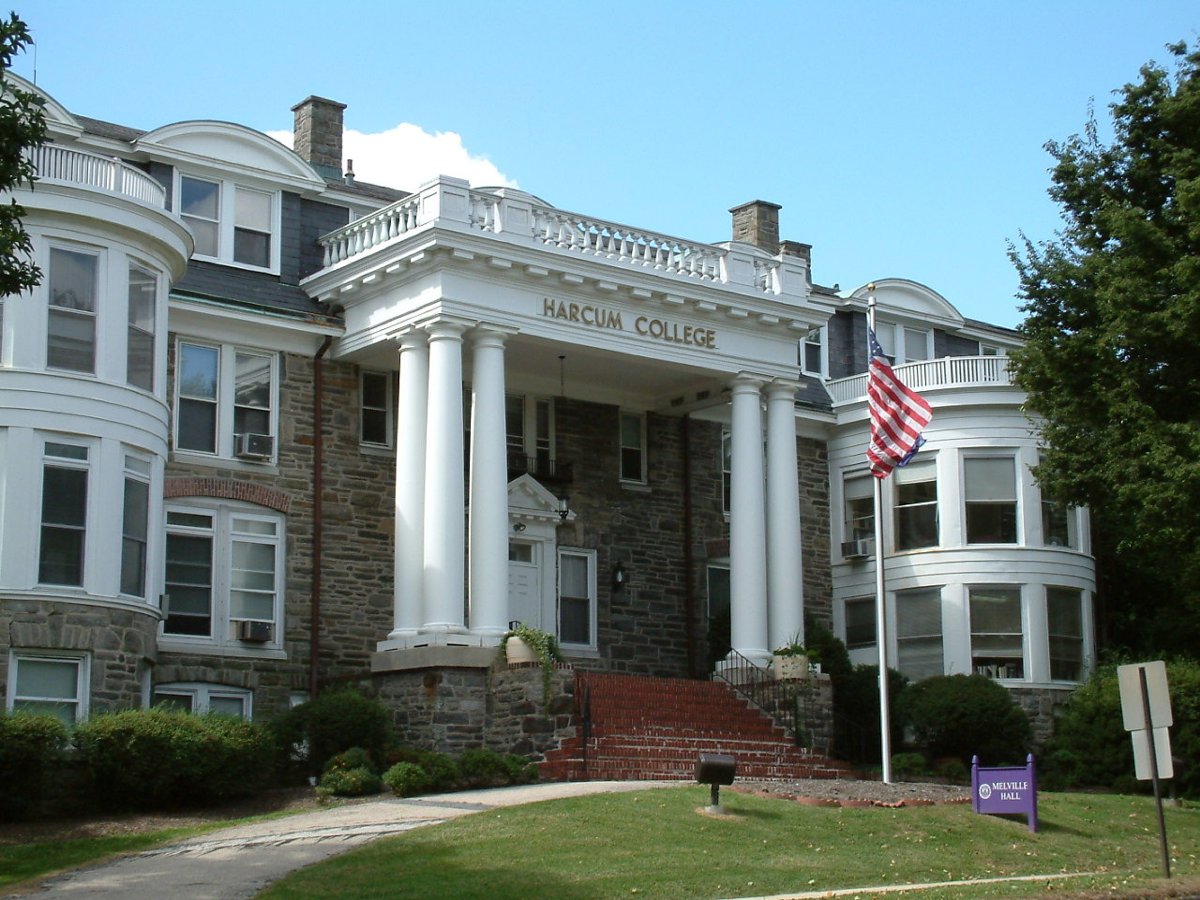
The campus sits in Bryn Mawr, Pennsylvania, offering a suburban setting near Philadelphia. With housing capacity for 330 students and 129 student-athletes competing in 7 NAIA sports as the Bears, the college maintains a close-knit community atmosphere.
Does Harcum College offer athletic scholarships?
Harcum College awards $2,815,518 in athletic scholarships across its 7 varsity sports programs. The Bears compete in NAIA athletics, providing opportunities for student-athletes to continue their sports careers while pursuing associate degrees.