About Harvard University
Despite a sticker price of $80,450, Harvard's generous financial aid means families earning under $75,000 pay virtually nothing. Students from families making less than $30,000 pay just $2,895 on average. Graduates earn a median of $101,817 ten years after graduation, while carrying only $14,000 in debt. The monthly loan payment averages just $148, making Harvard surprisingly affordable given the earning potential.
Students benefit from a 7:1 student-faculty ratio that ensures personal attention even at this research powerhouse. Nearly 98% of students return for their second year, and 97% graduate within four years. The Crimson compete in 36 varsity sports across the Ivy League, with over 1,000 student-athletes representing the university.
Academics & Faculty
Source: College Scorecard / U.S. Department of Education
- Student-to-Faculty Ratio
- 7:1
- Full-Time Faculty
- 87.1%
- Graduation Rate (4-year)
- 97.6%
- Graduation Rate (6-year)
- 97.3%
- Retention Rate
- 98.6%
- Median Earnings (10 years)
- $101,817
- Carnegie Classification
- Doctoral University (R1)
Popular Programs by Earnings
| Program | Level | Median Earnings |
|---|---|---|
| Advanced/Graduate Dentistry and Oral Sciences. | Certificate | $174,023 |
| Business Administration, Management and Operations. | Doctoral | $171,907 |
| Law. | Doctoral | $165,340 |
| Computer Engineering. | Master | $137,605 |
| Computer Science. | Bachelor | $128,737 |
| Statistics. | Bachelor | $128,716 |
| Public Health. | Master | $117,916 |
| Ecology, Evolution, Systematics, and Population Biology. | Master | $106,421 |
| Education, General. | Doctoral | $98,670 |
| Public Administration. | Master | $97,071 |
Campus Life
The 7:1 student-faculty ratio means small seminars and close professor relationships are common. Weekends revolve around house activities, since Greek life doesn't exist here. Students flock to Harvard Stadium for football games against Yale or head into Boston's museums and neighborhoods. The infamous Harvard-Yale rivalry reaches fever pitch each November when "The Game" takes over campus. Study groups form in Widener Library's massive stacks. With 97.55% graduating in four years, academic pressure runs high, but traditions like freshman move-in day and housing day celebrations create tight community bonds that last well beyond graduation.
- Setting
- City-Midsize
- Housing Capacity
- 14,344 beds
- Calendar System
- Semester
- Study Abroad
- Available
- Founded
- 1636
Campus Safety (2023)
396 total reported incidents. Source: Clery Act / U.S. Department of Education
| Offense | On Campus | Residential | Noncampus | Public Property |
|---|---|---|---|---|
| Motor Vehicle Theft | 137 | 40 | 0 | 7 |
| Aggravated Assault | 11 | 6 | 0 | 48 |
| Burglary | 28 | 15 | 3 | 0 |
| Rape | 16 | 16 | 0 | 1 |
| Robbery | 2 | 1 | 0 | 26 |
| Domestic Violence | 2 | 2 | 0 | 8 |
| Fondling | 6 | 2 | 0 | 1 |
| Arson | 2 | 1 | 0 | 4 |
| Dating Violence | 4 | 3 | 0 | 0 |
| Stalking | 4 | 0 | 0 | 0 |
Climate & Weather
- January Avg
- 19°–37°F
- July Avg
- 64°–84°F
- Annual Precipitation
- 49.4"
- Annual Snowfall
- 49.2"
Student Demographics
- Men
- 46.9%
- Women
- 53.1%
- White
- 32.8%
- Black
- 9.3%
- Hispanic
- 11.8%
- Asian
- 22.5%
- In-State Students
- 16.1%
- Pell Grant Recipients
- 15.8%
Location
- Address
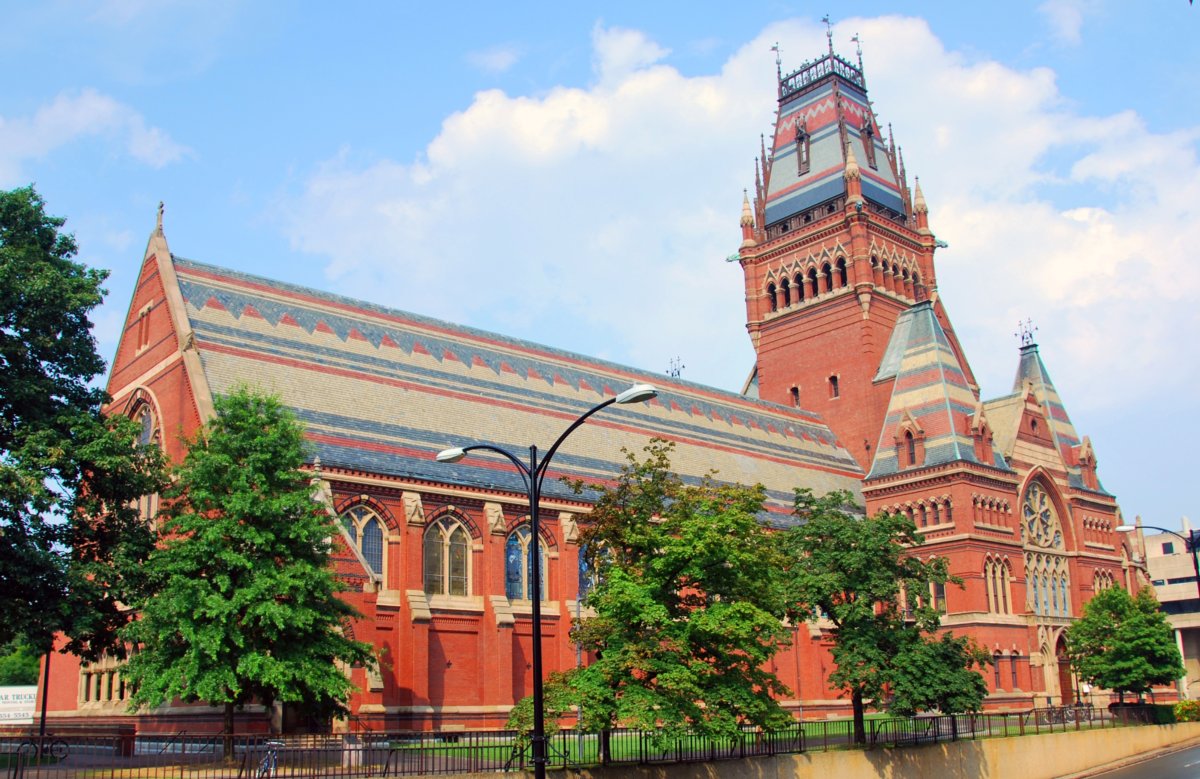
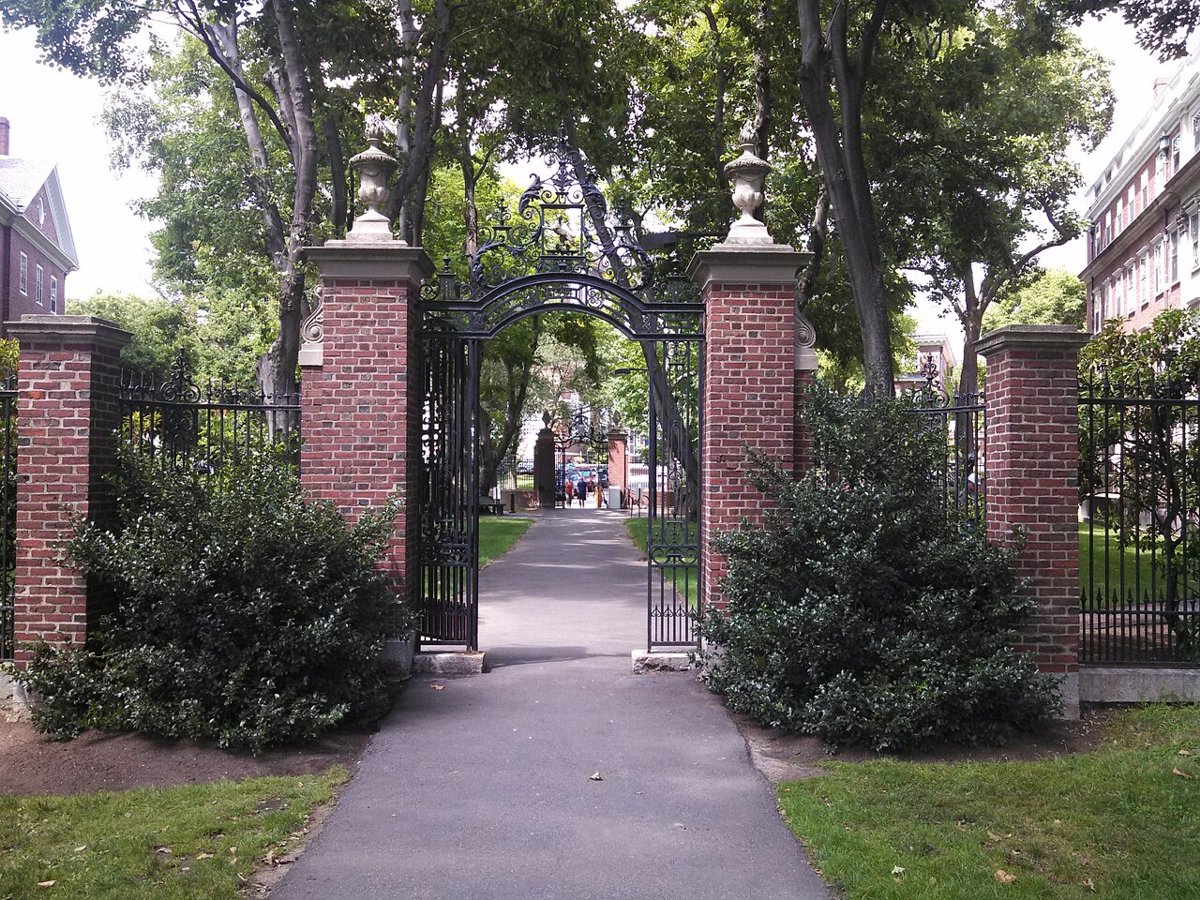
- Cambridge, Massachusetts 02138
After College
Source: College Scorecard / U.S. Department of Education
- Median Earnings (10 years)
- $101,817
- Median Earnings (5 years)
- $124,581
- Mean Earnings (6 years after entry)
- $91,300
- Loan Repayment Rate
- 70.7%
- Monthly Loan Payment
- $148/mo
- Median Debt at Graduation
- $14,000
Frequently Asked Questions
What is the acceptance rate at Harvard University?
Harvard admits just 3.24% of applicants, making it one of the most selective universities in America. Admitted students typically score between 1490 and 1580 on the SAT, with an average of 1535.
How much does Harvard University cost after financial aid?
While Harvard's sticker price reaches $80,450 annually, the average net price drops to $16,816 thanks to generous aid. Families earning under $75,000 typically pay less than $3,000 per year, reflecting Harvard's commitment to making education affordable for all admitted students.
What is the student-faculty ratio at Harvard University?
Harvard maintains a 7:1 student-faculty ratio across its 7,755 undergraduate students. This intimate academic environment supports the university's reputation for producing leaders, including eight U.S. presidents and numerous Supreme Court justices.
How much do Harvard University graduates earn after graduation?
Harvard graduates earn a median of $101,817 ten years after graduation, above the national average. The university's 97.3% six-year graduation rate and strong alumni network contribute to strong career outcomes across fields from tech to public service.
Where is Harvard University located and what is campus life like?
Harvard sits in Cambridge, Massachusetts, a mid-sized city that pulses with intellectual energy from multiple universities. With housing for 14,344 students and a 98.6% retention rate, the campus creates a tight-knit community despite being America's oldest university, founded in 1636.
Does Harvard University offer athletic scholarships?
Harvard offers $0 in athletic scholarships, following Ivy League policy that prohibits athletic-based financial aid. The Crimson compete in 36 varsity sports with over 1,000 student-athletes, emphasizing academic excellence over athletic recruiting incentives.