About Harvey Mudd College
Students pay an average net price of $32,492 after financial aid, less than the $66,255 sticker price. Graduates earn a median of $138,687 within ten years, making Harvey Mudd one of the highest-earning schools in the country. The typical graduate leaves with $25,000 in debt and monthly loan payments of $265. These numbers represent strong return on investment for STEM careers.
The 8:1 student-faculty ratio ensures close mentorship in demanding coursework. The 96.62% retention rate shows students stick with the challenging curriculum despite its reputation for academic intensity. Nearly 96% of graduates find employment immediately after graduation. Harvey Mudd competes academically with Caltech and MIT but offers a more collaborative, less cutthroat environment within the supportive Claremont Colleges consortium.
Academics & Faculty
Source: College Scorecard / U.S. Department of Education
- Student-to-Faculty Ratio
- 8:1
- Full-Time Faculty
- 93.1%
- Graduation Rate (4-year)
- 92.9%
- Graduation Rate (6-year)
- 93.8%
- Retention Rate
- 96.6%
- Median Earnings (10 years)
- $138,687
- Carnegie Classification
- Liberal Arts College
Popular Programs by Earnings
| Program | Level | Median Earnings |
|---|---|---|
| Computer Science. | Bachelor | $142,581 |
| Mathematics and Computer Science. | Bachelor | $122,038 |
| Engineering, General. | Bachelor | $81,997 |
Campus Life
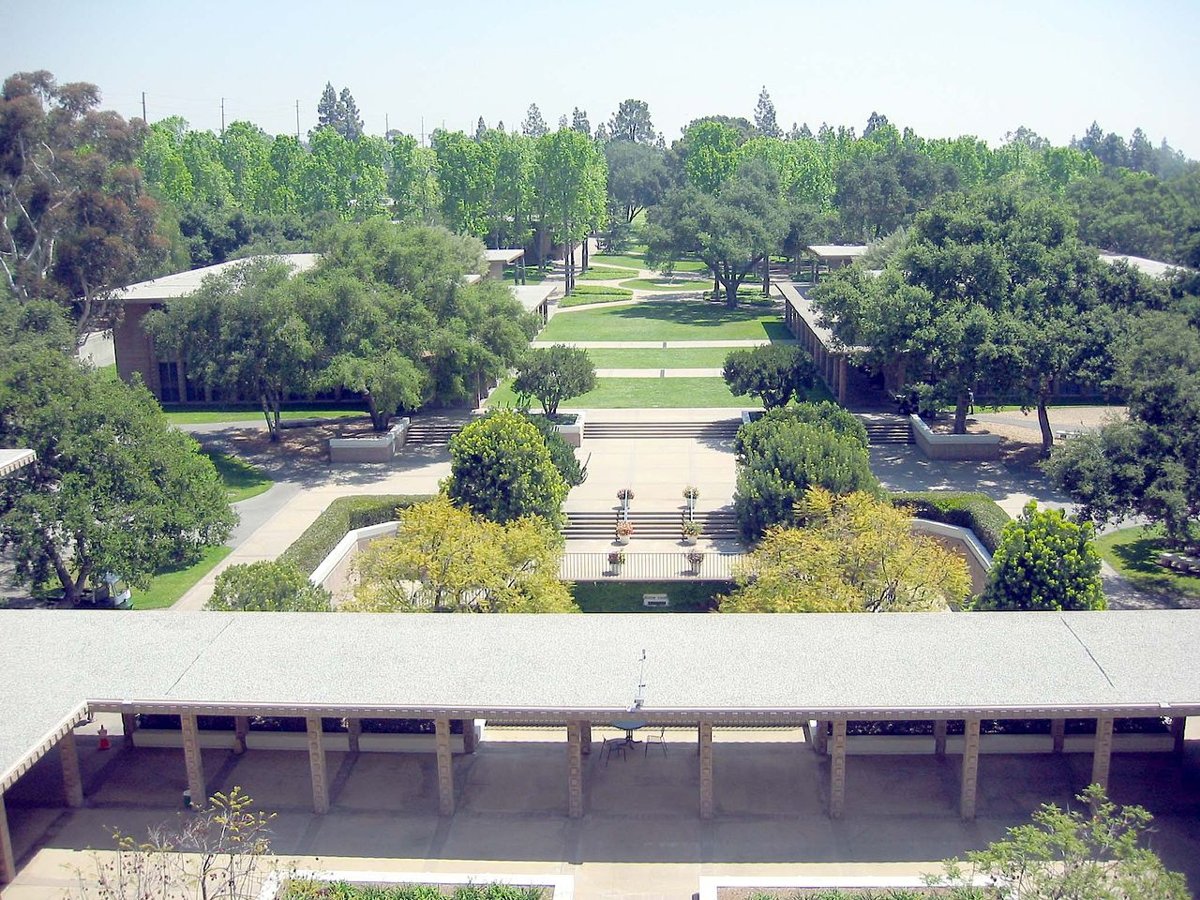
Students call themselves "Mudders" and embrace a culture of collaborative problem-solving mixed with quirky traditions like the annual "Mudd Day" celebration. Weekends often involve hiking in nearby mountains, trips to LA beaches, or legendary campus parties with elaborate themes. The Honor Code runs deep here, allowing take-home exams and unproctored testing. With 96.62% of students returning each year, the intense workload bonds classmates together rather than driving them apart. The small size means everyone participates in something, whether it's building robots, performing improv comedy, or organizing campus-wide capture the flag games that can last for days.
- Setting
- Suburb-Large
- Housing Capacity
- 917 beds
- Calendar System
- Semester
- Study Abroad
- Available
- Founded
- 1955
Campus Safety (2023)
7 total reported incidents. Source: Clery Act / U.S. Department of Education
| Offense | On Campus | Residential | Noncampus | Public Property |
|---|---|---|---|---|
| Motor Vehicle Theft | 3 | 0 | 0 | 0 |
| Burglary | 2 | 0 | 0 | 0 |
| Rape | 1 | 1 | 0 | 0 |
Climate & Weather
- January Avg
- 43°–67°F
- July Avg
- 62°–90°F
- Annual Precipitation
- 14.5"
- Annual Snowfall
- 0.0"
Student Demographics
- Men
- 50.4%
- Women
- 49.6%
- White
- 23.1%
- Black
- 5.3%
- Hispanic
- 23.2%
- Asian
- 22.3%
- In-State Students
- 43.5%
- Pell Grant Recipients
- 14.1%
Location
- Address
- Claremont, California 91711
After College
Source: College Scorecard / U.S. Department of Education
- Median Earnings (10 years)
- $138,687
- Median Earnings (5 years)
- $154,095
- Mean Earnings (6 years after entry)
- $87,200
- Monthly Loan Payment
- $265/mo
- Median Debt at Graduation
- $25,000
Frequently Asked Questions
What is the acceptance rate at Harvey Mudd College?
Harvey Mudd accepts just 13.36% of applicants, making it one of the most selective colleges in the country. Students need exceptional math and science credentials, with admitted students averaging 1520 on the SAT. The college seeks future scientists and engineers who can handle its famously rigorous curriculum.
How much does Harvey Mudd College cost after financial aid?
The average net price is $32,492, lower than the $88,765 sticker price. Students from families earning under $30,000 pay only $17,340 on average. The median debt of $25,000 is manageable given graduates' earning potential in STEM fields.
What makes Harvey Mudd College's academics so demanding?
The student-faculty ratio of 8:1 enables intensive mentorship in one of the nation's most rigorous STEM programs. Harvey Mudd produces more science and engineering PhDs per graduate than almost any other college. The curriculum combines deep technical training with liberal arts requirements that create well-rounded scientists.
How much do Harvey Mudd College graduates earn?
Graduates earn a median of $138,687 ten years after graduation, reflecting the high demand for Mudd-trained scientists and engineers. Even fresh graduates start strong with median earnings of $107,923 in their first year. The 95.9% employment rate shows that employers actively recruit from this small but strong program.
Where is Harvey Mudd College located?
The campus sits in Claremont, California, part of the Claremont Colleges consortium in the San Gabriel Valley. With 915 students and housing capacity for 917, nearly everyone lives on campus in this tight-knit community. The suburban setting provides focus for intense study while keeping Los Angeles opportunities within reach.
Does Harvey Mudd College have good retention rates?
The 96.62% retention rate reflects students' commitment despite the academic intensity. The 92.91% four-year graduation rate is impressive given the challenging curriculum that drives some students to transfer. Those who stay typically thrive in the collaborative culture where students help each other succeed rather than compete.