

About Haskell Indian Nations University
Students pay just $3,031 annually after financial aid, making this one of the country's most affordable college options. The extremely low tuition of $600 applies to all students regardless of state residency. Graduates earn a median of $37,043 ten years after graduation, providing solid returns on the minimal investment. About 62% of students receive Pell Grants, reflecting the economic challenges many tribal communities face.
The graduation rates tell a complex story about serving students who often face significant barriers. Only 44% graduate within four years, and 43% finish within six years. However, 90% of graduates find employment, suggesting those who complete their degrees enter the workforce successfully. The 20:1 student-faculty ratio allows for personalized attention as students navigate both academic demands and their role as future tribal leaders.
Academics & Faculty
Source: College Scorecard / U.S. Department of Education
- Student-to-Faculty Ratio
- 20:1
- Graduation Rate (4-year)
- 44.0%
- Graduation Rate (6-year)
- 42.6%
- Median Earnings (10 years)
- $37,043
- Carnegie Classification
- Tribal College
Popular Programs by Earnings
| Program | Level | Median Earnings |
|---|---|---|
| Business Administration, Management and Operations. | Bachelor | $21,508 |
| Ethnic, Cultural Minority, Gender, and Group Studies. | Bachelor | $20,140 |
Campus Life
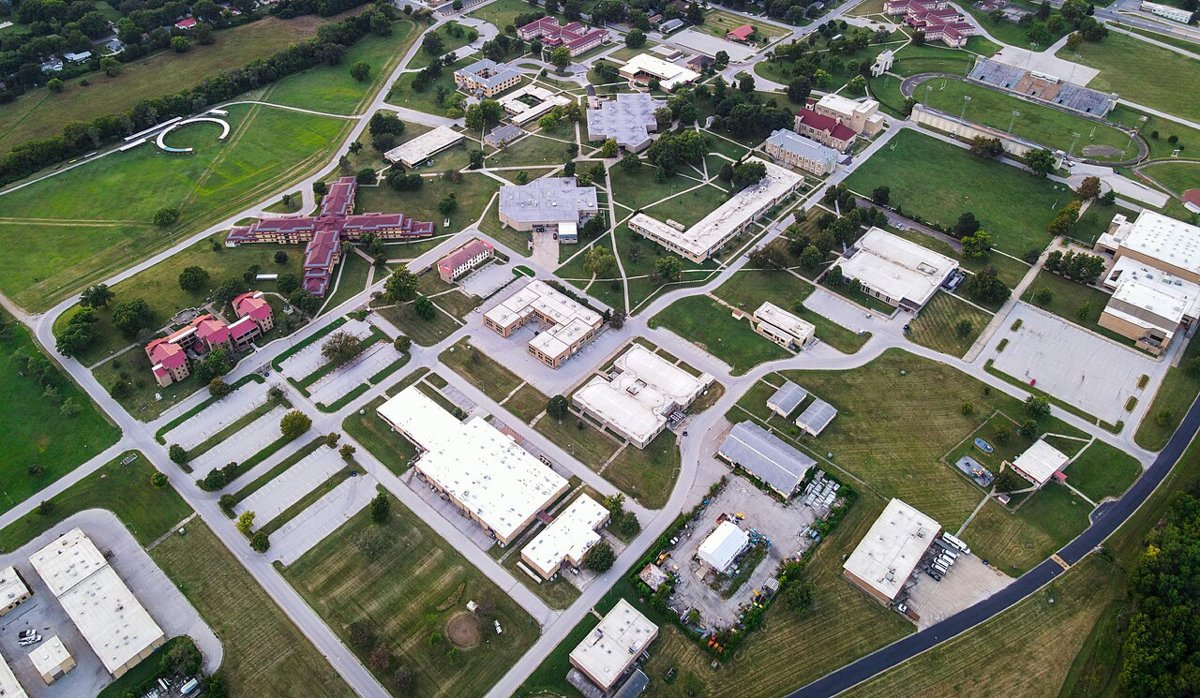
Campus life centers around cultural traditions and powwows that celebrate Native heritage throughout the year. Students gather in the campus center between classes, where the 20:1 student-faculty ratio means professors know everyone by name. Weekend activities often revolve around the 11 NAIA sports teams, particularly cross country and track, honoring the legacy of Olympic champion Billy Mills. Lawrence offers college town amenities like restaurants and shops within walking distance. The semester system allows students to return home for extended breaks to maintain connections with their tribal communities. Evening study sessions in the residence halls create lasting friendships among students who share similar cultural backgrounds and academic goals.
- Setting
- City-Small
- Housing Capacity
- 722 beds
- Calendar System
- Semester
- Founded
- 1884
Campus Safety (2023)
42 total reported incidents. Source: Clery Act / U.S. Department of Education
| Offense | On Campus | Residential | Noncampus | Public Property |
|---|---|---|---|---|
| Rape | 7 | 6 | 0 | 1 |
| Robbery | 4 | 1 | 0 | 4 |
| Burglary | 4 | 3 | 0 | 0 |
| Dating Violence | 5 | 1 | 0 | 0 |
| Stalking | 5 | 0 | 0 | 0 |
| Fondling | 1 | 0 | 0 | 0 |
Climate & Weather
- January Avg
- 18°–38°F
- July Avg
- 68°–88°F
- Annual Precipitation
- 39.9"
- Annual Snowfall
- 13.4"
Student Demographics
- Men
- 42.5%
- Women
- 57.5%
- White
- 0.0%
- Black
- 0.0%
- Hispanic
- 0.0%
- Asian
- 0.0%
- In-State Students
- 18.5%
- Pell Grant Recipients
- 61.9%
Location
- Address
- Lawrence, Kansas 66046-4800
After College
Source: College Scorecard / U.S. Department of Education
- Median Earnings (10 years)
- $37,043
- Median Earnings (5 years)
- $41,185
- Mean Earnings (6 years after entry)
- $21,700
Frequently Asked Questions
What is the acceptance rate at Haskell Indian Nations University?
Haskell Indian Nations University accepts 93.31% of applicants. The high acceptance rate reflects the university's mission as the only federally funded institution specifically serving American Indian and Alaska Native students from across the country.
How much does Haskell Indian Nations University cost after financial aid?
Students pay an average net price of $3,031 per year at Haskell Indian Nations University. With tuition set at just $600 for all students and room and board at $1,190, the total cost of attendance reaches only $3,390, making it one of the most affordable universities in America.
What is the student-faculty ratio at Haskell Indian Nations University?
The student-faculty ratio is 20:1 across the university's 878 enrolled students. Haskell emphasizes culturally relevant education and tribal sovereignty, integrating Native American perspectives throughout its academic programs.
What are the graduation rates at Haskell Indian Nations University?
The four-year graduation rate stands at 43.95%, while the six-year rate reaches 42.60%. Graduates earn a median salary of $37,043 ten years after graduation, with 90% finding employment after completing their studies.
Where is Haskell Indian Nations University located and what is campus life like?
The university sits in Lawrence, Kansas, with housing capacity for 722 students out of 878 total enrollment. The campus serves students from tribes nationwide, with only 18.49% coming from Kansas, creating a diverse intertribal community.
Does Haskell Indian Nations University offer athletic programs?
Haskell competes in NAIA athletics with 11 varsity sports and 104 total athletes. The Fighting Indians teams represent one of the few remaining Native American athletic programs, though the university offers no athletic scholarships to its student-athletes.
Similar Schools

Pennsylvania State University-Penn State Beaver
Monaca, Pennsylvania

Southern University at New Orleans
New Orleans, Louisiana

University of Pittsburgh-Bradford
Bradford, Pennsylvania

Pennsylvania State University-Penn State York
York, Pennsylvania

Pennsylvania State University-Penn State Scranton
Dunmore, Pennsylvania

Pennsylvania State University-Penn State Lehigh Valley
Center Valley, Pennsylvania