About Hennepin Technical College
Students from low-income families pay around $8,700 annually after aid, while those from higher-income households face costs up to $15,524. Graduates earn a median of $49,460 ten years after enrollment, making the typical debt load of $11,433 quite manageable with monthly payments of just $121. The return on investment proves strong for technical training, especially considering the college's 96.2% employment rate for graduates.
The student body skews male at 63%, reflecting the traditionally male-dominated trades the college emphasizes. Nearly all students are Minnesota residents at 98.33%, creating a tight-knit community feel. The campus serves one of Minnesota's most diverse student populations, with students of color comprising over half the enrollment. While the 44% six-year graduation rate may seem modest, many students complete shorter certificate programs and enter the workforce before pursuing full degrees.
Academics & Faculty
Source: College Scorecard / U.S. Department of Education
- Student-to-Faculty Ratio
- 19:1
- Full-Time Faculty
- 47.4%
- Graduation Rate (6-year)
- 44.2%
- Median Earnings (10 years)
- $49,460
Popular Programs by Earnings
| Program | Level | Median Earnings |
|---|---|---|
| Heating, Air Conditioning, Ventilation and Refrigeration Maintenance Technology/Technician (HAC, HACR, HVAC, HVACR). | Associate | $62,012 |
| Precision Metal Working. | Associate | $58,221 |
| Industrial Production Technologies/Technicians. | Certificate | $51,273 |
| Heating, Air Conditioning, Ventilation and Refrigeration Maintenance Technology/Technician (HAC, HACR, HVAC, HVACR). | Certificate | $50,856 |
| Engineering-Related Technologies. | Associate | $49,827 |
| Electrical Engineering Technologies/Technicians. | Associate | $49,683 |
| Criminal Justice and Corrections. | Certificate | $49,136 |
| Computer/Information Technology Administration and Management. | Associate | $48,628 |
| Electromechanical Instrumentation and Maintenance Technologies/Technicians. | Associate | $48,432 |
| Fire Protection. | Associate | $47,260 |
Campus Life
Most of the 2,827 students commute from across the Twin Cities region, with 98% coming from Minnesota. The technical focus creates a no-nonsense atmosphere where students dive straight into hands-on training. Weekends often mean part-time work or internships rather than traditional college social scenes. The diverse student population includes 24% Black students and 12% Asian students, higher than many Minnesota colleges. With classes running on practical schedules that mirror industry demands, expect early morning lab sessions and evening programs designed around working adults. The 96% employment rate speaks to the career-focused mindset that drives campus culture.
- Setting
- Suburb-Large
- Calendar System
- Semester
- Founded
- 1972
Campus Safety (2023)
No reported Clery Act crimes in 2023.
Climate & Weather
- January Avg
- 7°–23°F
- July Avg
- 62°–83°F
- Annual Precipitation
- 30.7"
- Annual Snowfall
- 54.3"
Student Demographics
- Men
- 63.1%
- Women
- 36.9%
- White
- 47.3%
- Black
- 24.0%
- Hispanic
- 9.9%
- Asian
- 11.7%
- In-State Students
- 98.3%
- Pell Grant Recipients
- 26.4%
Location
- Address
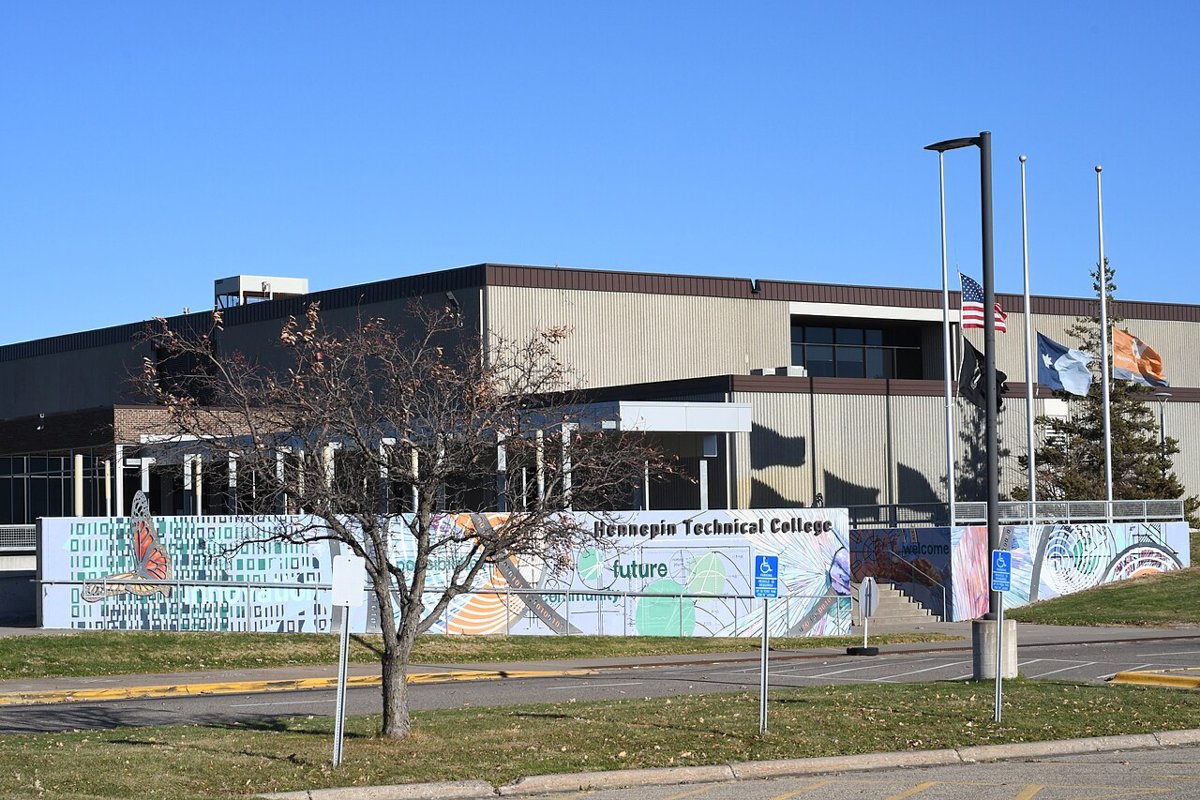
- Brooklyn Park, Minnesota 55445
After College
Source: College Scorecard / U.S. Department of Education
- Median Earnings (10 years)
- $49,460
- Median Earnings (5 years)
- $57,592
- Mean Earnings (6 years after entry)
- $34,700
- Loan Repayment Rate
- 45.1%
- Monthly Loan Payment
- $121/mo
- Median Debt at Graduation
- $11,433
Frequently Asked Questions
What is the student body like at Hennepin Technical College?
The college enrolls 2,827 students with a diverse population that is 47% White, 24% Black, 12% Asian, and 10% Hispanic. Men make up 63% of students while women comprise 37%, reflecting the technical nature of many programs. Nearly all students (98%) come from Minnesota, creating a strong local community focused on regional workforce needs.
How much does Hennepin Technical College cost after financial aid?
Students pay an average net price of $10,925 after aid, with costs varying by family income from $8,700 for families earning under $30,000 to $15,524 for those earning over $110,000. Only 26% of students receive federal Pell Grants, and graduates typically leave with manageable debt of $11,433. The school keeps costs accessible for working-class students pursuing technical careers.
What programs is Hennepin Technical College known for?
The college specializes in hands-on technical and career training in automotive, construction, manufacturing, and healthcare fields. With a 19:1 student-faculty ratio, students get personalized attention in specialized labs and workshops. The school has built strong partnerships with Twin Cities employers who hire directly from these practical programs.
How successful are graduates from Hennepin Technical College?
Graduates earn a median salary of $49,460 ten years after starting, with an impressive 96% employment rate showing strong job market demand. The 44% six-year graduation rate reflects the challenge many working students face balancing school with jobs and family responsibilities. Those who complete programs typically see immediate career advancement in skilled trades and technical fields.
Where is Hennepin Technical College located?
The college sits in Brooklyn Park, a diverse suburb in the Minneapolis-St. Paul metropolitan area with easy access to major employers. This large suburban setting provides students with internship and job opportunities across the Twin Cities region. The location serves students from throughout the metro area who commute for specialized technical training.
Does Hennepin Technical College offer financial support to students?
Only 5% of students receive institutional grants averaging $4,963, as the college focuses on keeping base tuition low at $5,881 for all students regardless of residency. About 20% take federal loans with manageable monthly payments of $121 after graduation. The school's approach emphasizes affordability over extensive aid programs, making technical education accessible to working-class families.