
About Houston Christian University
Students pay an average net price of $19,710 after financial aid, making this private Christian education surprisingly affordable. Over half of students receive financial assistance, with 54% qualifying for Pell Grants. Graduates earn a median of $55,933 ten years after graduation, while carrying typical debt loads of $22,642. The monthly loan payment of $240 represents a manageable investment given the earning potential and the value of faith-integrated education.
The student body reflects Houston's diversity, with 40% Hispanic students, 24% Black students, and women comprising 62% of enrollment. Nearly 95% of students come from Texas, creating a tight-knit community feel despite the urban setting. As Division I Huskies competing in the Southland Conference, the university offers 13 varsity sports for 260 student-athletes who balance competitive athletics with academic and spiritual growth.
Academics & Faculty
Source: College Scorecard / U.S. Department of Education
- Student-to-Faculty Ratio
- 18:1
- Full-Time Faculty
- 50.4%
- Graduation Rate (4-year)
- 49.5%
- Graduation Rate (6-year)
- 49.8%
- Retention Rate
- 69.2%
- Median Earnings (10 years)
- $55,933
- Carnegie Classification
- Master's University (Large)
Popular Programs by Earnings
| Program | Level | Median Earnings |
|---|---|---|
| Business Administration, Management and Operations. | Master | $80,022 |
| Business/Commerce, General. | Master | $76,460 |
| Human Resources Management and Services. | Master | $72,510 |
| Registered Nursing, Nursing Administration, Nursing Research and Clinical Nursing. | Bachelor | $69,770 |
| Accounting and Related Services. | Bachelor | $56,979 |
| Educational Assessment, Evaluation, and Research. | Master | $55,286 |
| Educational Administration and Supervision. | Master | $53,775 |
| Student Counseling and Personnel Services. | Master | $53,179 |
| Curriculum and Instruction. | Master | $50,201 |
| Finance and Financial Management Services. | Bachelor | $48,041 |
Campus Life
The student body reflects Houston's diversity, with 39.76% Hispanic, 23.59% Black, and 18.44% White students creating a multicultural campus environment. Women outnumber men 61.58% to 38.42%, typical for many Christian universities. The 18:1 student-faculty ratio means professors know your name, not just your student ID number. Students gather for chapel services and participate in Division I Southland Conference athletics, cheering on the Huskies in 13 varsity sports. Weekend activities center around campus ministries, Houston's museums and restaurants, and outdoor activities that take advantage of the warm weather. The Baptist foundation shapes campus culture, though students from various faith backgrounds attend.
- Setting
- City-Large
- Housing Capacity
- 1,032 beds
- Calendar System
- Semester
- Study Abroad
- Available
- Founded
- 1960
Campus Safety (2023)
22 total reported incidents. Source: Clery Act / U.S. Department of Education
| Offense | On Campus | Residential | Noncampus | Public Property |
|---|---|---|---|---|
| Burglary | 10 | 1 | 0 | 0 |
| Motor Vehicle Theft | 3 | 0 | 0 | 0 |
| Aggravated Assault | 1 | 1 | 0 | 0 |
| Dating Violence | 1 | 1 | 0 | 0 |
| Fondling | 1 | 1 | 0 | 0 |
| Stalking | 2 | 0 | 0 | 0 |
Climate & Weather
- January Avg
- 42°–64°F
- July Avg
- 76°–94°F
- Annual Precipitation
- 51.1"
- Annual Snowfall
- 0.0"
Student Demographics
- Men
- 38.4%
- Women
- 61.6%
- White
- 18.4%
- Black
- 23.6%
- Hispanic
- 39.8%
- Asian
- 6.3%
- In-State Students
- 94.6%
- Pell Grant Recipients
- 54.0%
Location
- Address
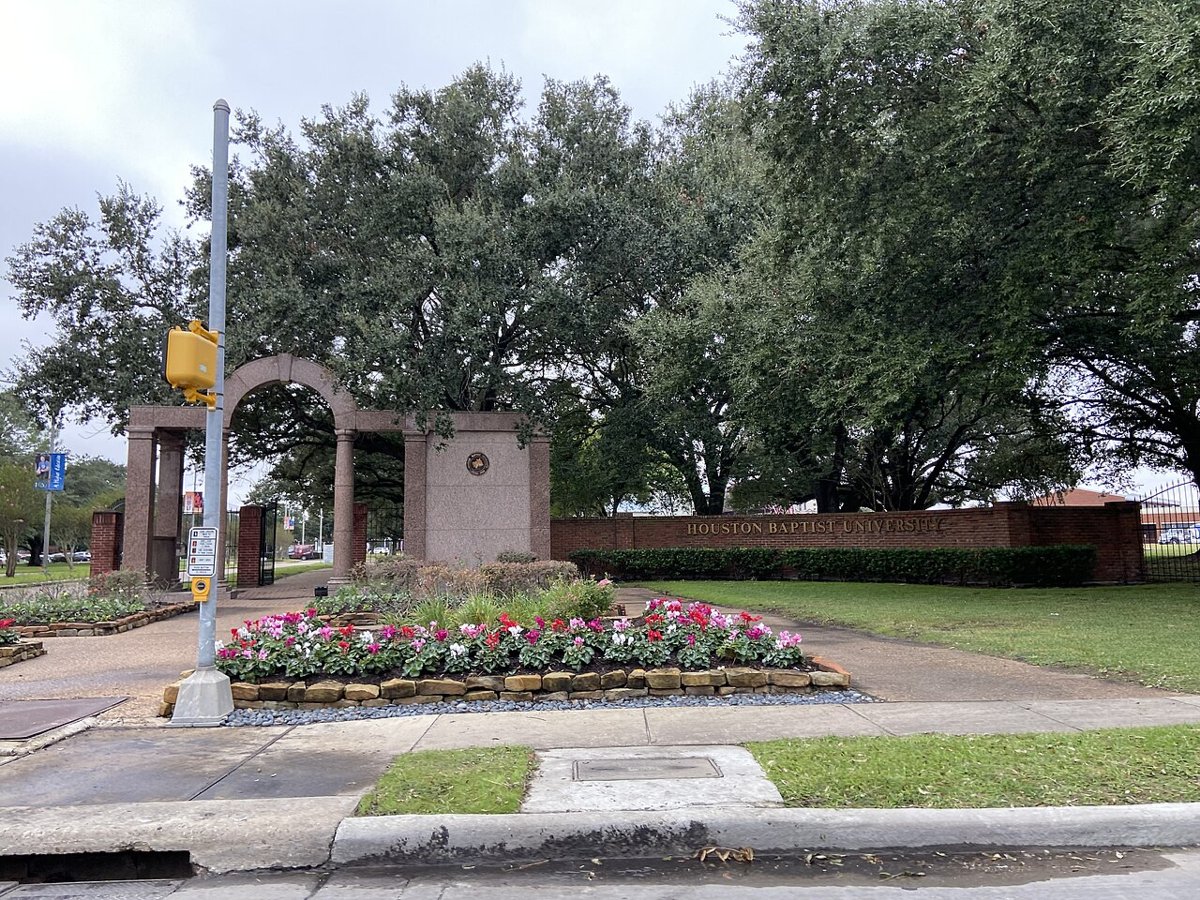
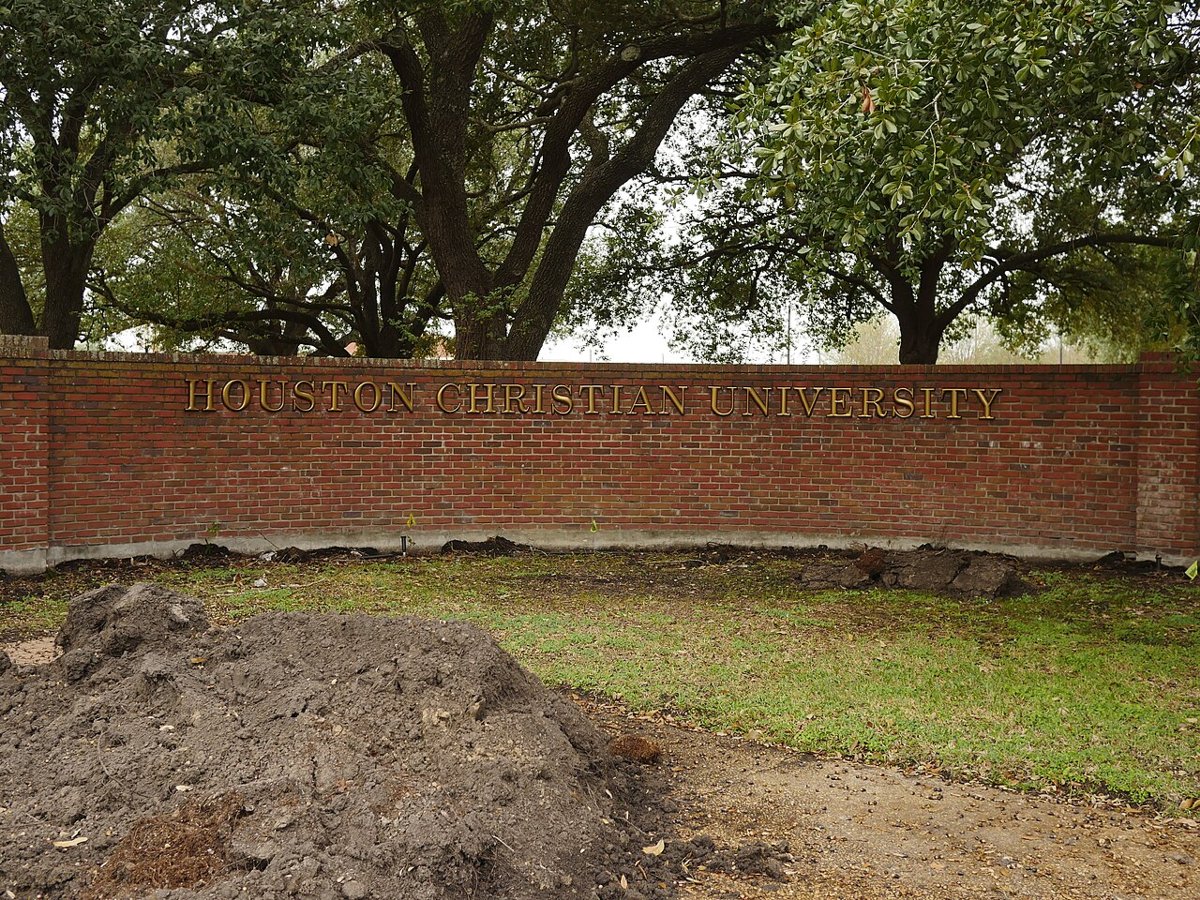
- Houston, Texas 77074-3298

After College
Source: College Scorecard / U.S. Department of Education
- Median Earnings (10 years)
- $55,933
- Median Earnings (5 years)
- $61,737
- Mean Earnings (6 years after entry)
- $39,400
- Loan Repayment Rate
- 55.5%
- Monthly Loan Payment
- $240/mo
- Median Debt at Graduation
- $22,642
Frequently Asked Questions
What is the acceptance rate at Houston Christian University?
Houston Christian University accepts 84.48% of applicants, making it accessible to most students who meet basic requirements. The middle 50% of admitted students score between 1060-1230 on the SAT. This Baptist university prioritizes faith integration alongside academic preparation in its admissions process.
How much does Houston Christian University cost after financial aid?
Students pay an average net price of $19,710 after aid, lower than the $38,100 sticker price. About 54% of students receive financial aid, and the median debt upon graduation is $22,642. The university provides substantial institutional grants averaging $26,908 to help make Christian education affordable.
What is the student-faculty ratio at Houston Christian University?
The student-faculty ratio is 18:1 across the university's 2,777 enrolled students. Houston Christian emphasizes small class sizes as part of its commitment to personalized Christian education. The university offers both undergraduate and graduate programs with faith integration woven throughout the curriculum.
What are the graduation outcomes at Houston Christian University?
The six-year graduation rate is 49.80%, and graduates earn a median salary of $55,933 ten years after graduation. About 93% of graduates find employment after completing their degrees. The university's focus on Christian values and practical education helps prepare students for meaningful careers.
Where is Houston Christian University located and what is campus life like?
The campus sits in Houston, Texas, serving primarily in-state students who make up 94.61% of enrollment. Housing capacity accommodates 1,032 students in a community that's 61.58% women and diverse. The university fields 13 varsity sports in NCAA Division I as the Huskies, competing in the Southland Conference.
How diverse is the student body at Houston Christian University?
The student population is 39.76% Hispanic, 23.59% Black, 18.44% White, and 6.30% Asian, creating a remarkably diverse Christian learning environment. This diversity reflects Houston's multicultural character and the university's commitment to serving students from all backgrounds. About 54% of students are Pell Grant recipients, indicating significant socioeconomic diversity as well.