About Howard University
Students face significant financial costs, with the average net price reaching $47,919 annually. However, graduates earn a median of $63,066 ten years after graduation, suggesting the investment pays dividends over time. The typical debt load of $24,500 results in monthly payments of $260, making the financial burden manageable for most alumni. About 41% of students receive Pell Grants, indicating the university serves many first-generation college students.
The student body is 71% Black and 73% female, creating a distinctive campus culture that celebrates African American excellence. With a 90% retention rate and 11:1 student-faculty ratio, Howard provides the support system students need to thrive in rigorous academic programs.
Academics & Faculty
Source: College Scorecard / U.S. Department of Education
- Student-to-Faculty Ratio
- 11:1
- Full-Time Faculty
- 66.6%
- Graduation Rate (4-year)
- 69.2%
- Graduation Rate (6-year)
- 68.9%
- Retention Rate
- 90.1%
- Median Earnings (10 years)
- $63,066
- Carnegie Classification
- Doctoral University (R2)
Popular Programs by Earnings
| Program | Level | Median Earnings |
|---|---|---|
| Advanced/Graduate Dentistry and Oral Sciences. | Certificate | $139,816 |
| Pharmacy, Pharmaceutical Sciences, and Administration. | Doctoral | $121,694 |
| Allied Health Diagnostic, Intervention, and Treatment Professions. | Certificate | $106,421 |
| Dentistry. | Doctoral | $100,571 |
| Educational Administration and Supervision. | Doctoral | $100,038 |
| Registered Nursing, Nursing Administration, Nursing Research and Clinical Nursing. | Master | $97,959 |
| Allied Health Diagnostic, Intervention, and Treatment Professions. | Bachelor | $91,744 |
| Dental Support Services and Allied Professions. | Certificate | $84,653 |
| Chemical Engineering. | Bachelor | $84,653 |
| Computer Systems Analysis. | Bachelor | $82,440 |
Campus Life
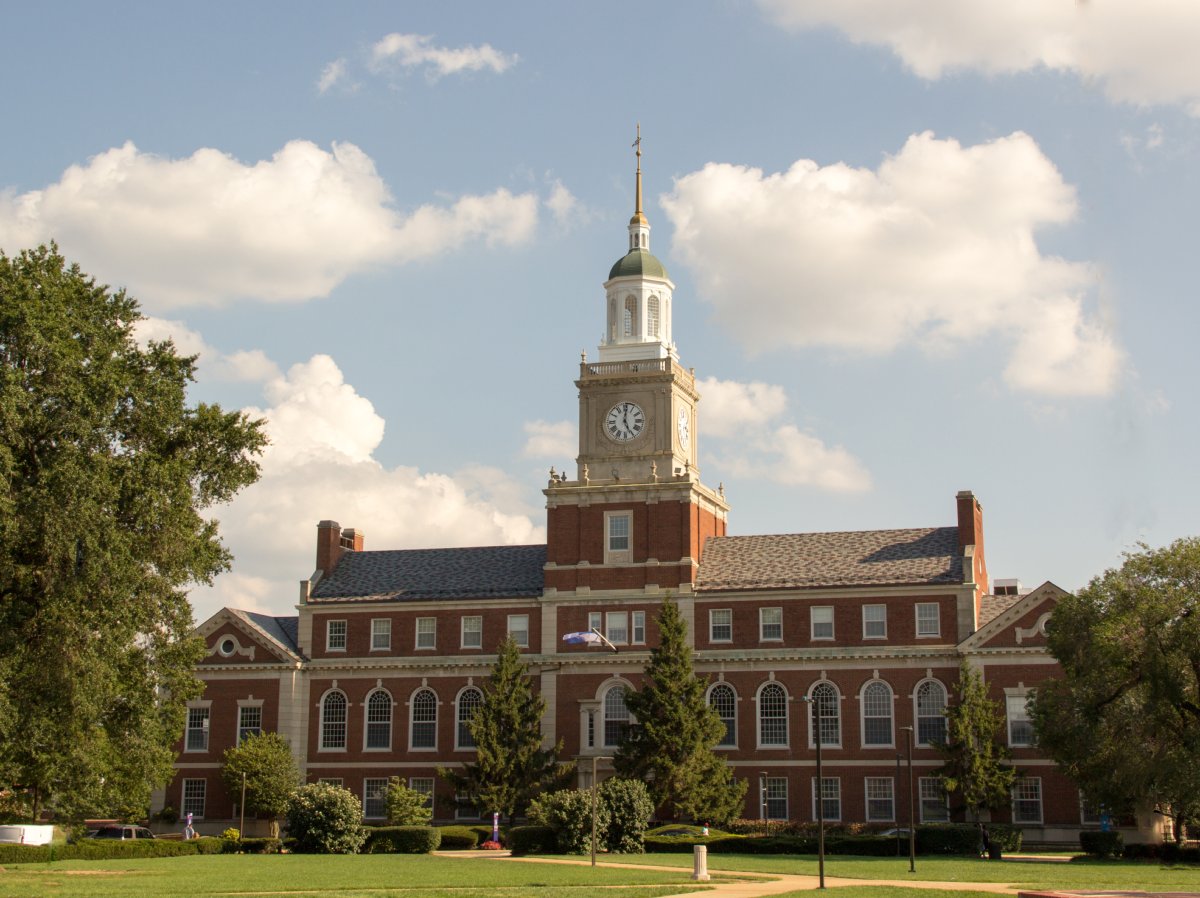
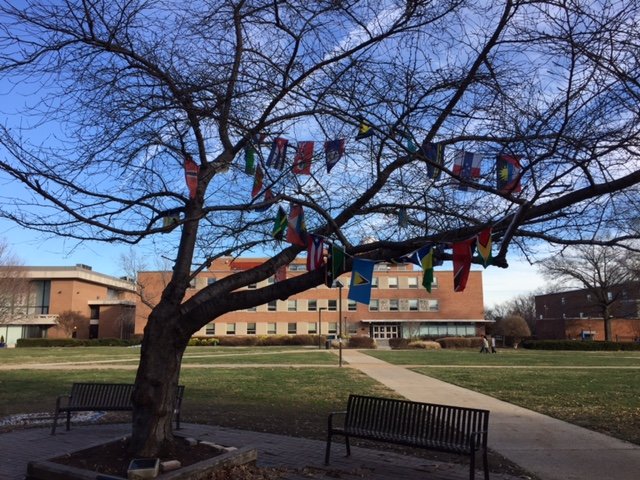
Howard's campus buzzes with the energy of future leaders. The Yard serves as the social center where students gather between classes, and homecoming transforms the entire university into a celebration of HBCU pride. Students balance rigorous academics with Greek life, student government, and activism that echoes the university's civil rights legacy. The 11:1 student-faculty ratio means professors know your name, while DC internships and networking opportunities surround you. Weekend activities range from step shows and campus parties to exploring museums on the National Mall, just minutes away by Metro.
- Setting
- City-Large
- Housing Capacity
- 6,051 beds
- Calendar System
- Semester
- Study Abroad
- Available
- Founded
- 1867
Campus Safety (2023)
43 total reported incidents. Source: Clery Act / U.S. Department of Education
| Offense | On Campus | Residential | Noncampus | Public Property |
|---|---|---|---|---|
| Motor Vehicle Theft | 17 | 0 | 0 | 0 |
| Robbery | 12 | 0 | 0 | 0 |
| Rape | 7 | 0 | 0 | 0 |
| Aggravated Assault | 2 | 0 | 0 | 0 |
| Burglary | 2 | 0 | 0 | 0 |
| Domestic Violence | 1 | 0 | 0 | 0 |
| Murder | 1 | 0 | 0 | 0 |
| Stalking | 1 | 0 | 0 | 0 |
Climate & Weather
- January Avg
- 27°–44°F
- July Avg
- 70°–89°F
- Annual Precipitation
- 45.6"
- Annual Snowfall
- 9.7"
Student Demographics
- Men
- 27.3%
- Women
- 72.7%
- White
- 0.3%
- Black
- 71.4%
- Hispanic
- 6.9%
- Asian
- 3.1%
- In-State Students
- 0.4%
- Pell Grant Recipients
- 40.5%
Location
- Address
- Washington, District of Columbia 20059
After College
Source: College Scorecard / U.S. Department of Education
- Median Earnings (10 years)
- $63,066
- Median Earnings (5 years)
- $64,373
- Mean Earnings (6 years after entry)
- $39,500
- Loan Repayment Rate
- 35.0%
- Monthly Loan Payment
- $260/mo
- Median Debt at Graduation
- $24,500
Frequently Asked Questions
What is the acceptance rate at Howard University?
Howard University admits 53.43% of applicants, making it moderately selective. The school attracts high-achieving students with an average SAT score of 1170, reflecting its status as the top historically black research university.
How much does Howard University cost after financial aid?
Students pay an average net price of $47,919 annually at Howard University. With 40.53% of students receiving Pell Grants, the university serves many middle-class families despite the high sticker price of $51,178.
What is the student-faculty ratio at Howard University?
Howard University maintains an 11:1 student-faculty ratio with 9,604 total students. Known as "The Mecca" of Black education, Howard offers world-well-known programs in medicine, law, and engineering with personalized attention from distinguished faculty.
What do Howard University graduates earn after college?
Howard graduates earn a median salary of $63,066 ten years after graduation. The university's strong alumni network includes Vice President Kamala Harris and Supreme Court Justice Thurgood Marshall, opening doors across politics, business, and entertainment.
Where is Howard University's campus located?
Howard University sits in the heart of Washington, DC, with housing for 6,051 students on campus. The urban setting provides internship opportunities at federal agencies, think tanks, and major corporations while maintaining the close-knit HBCU community experience.
Is Howard University known for its diversity?
Howard University serves primarily Black students at 71.43% of enrollment, staying true to its HBCU mission since 1867. With women comprising 72.70% of students and only 0.42% from in-state, Howard draws ambitious scholars from across the nation to build the next generation of Black leaders.