About Hudson Valley Community College
The financial picture looks favorable for most students. The average net price is $7,118, but lower-income families pay less, with those earning under $30,000 paying just $3,200 annually. Graduates earn a median of $45,460 ten years after starting college, while carrying a manageable median debt load of $10,625. Monthly loan payments average $113, making this education accessible for working-class families throughout the Capital Region.
Nearly 98% of students come from New York state, creating a tight regional network. The Vikings compete in 19 varsity sports with 316 total athletes, though no athletic scholarships are available. With a 94.4% employment rate and a student-faculty ratio of 17:1, students get personalized attention while preparing for immediate workforce entry or transfer to four-year programs.
Academics & Faculty
Source: College Scorecard / U.S. Department of Education
- Student-to-Faculty Ratio
- 17:1
- Full-Time Faculty
- 46.0%
- Graduation Rate (6-year)
- 33.0%
- Median Earnings (10 years)
- $45,460
Popular Programs by Earnings
| Program | Level | Median Earnings |
|---|---|---|
| Industrial Production Technologies/Technicians. | Associate | $67,324 |
| Allied Health Diagnostic, Intervention, and Treatment Professions. | Certificate | $62,508 |
| Registered Nursing, Nursing Administration, Nursing Research and Clinical Nursing. | Associate | $59,640 |
| Allied Health Diagnostic, Intervention, and Treatment Professions. | Associate | $55,964 |
| Mechanical Engineering Related Technologies/Technicians. | Associate | $55,286 |
| Electrical and Power Transmission Installers. | Associate | $51,652 |
| Electrical Engineering Technologies/Technicians. | Associate | $50,856 |
| Dental Support Services and Allied Professions. | Associate | $49,136 |
| Construction Engineering Technologies. | Associate | $48,041 |
| Heating, Air Conditioning, Ventilation and Refrigeration Maintenance Technology/Technician (HAC, HACR, HVAC, HVACR). | Associate | $44,728 |
Campus Life
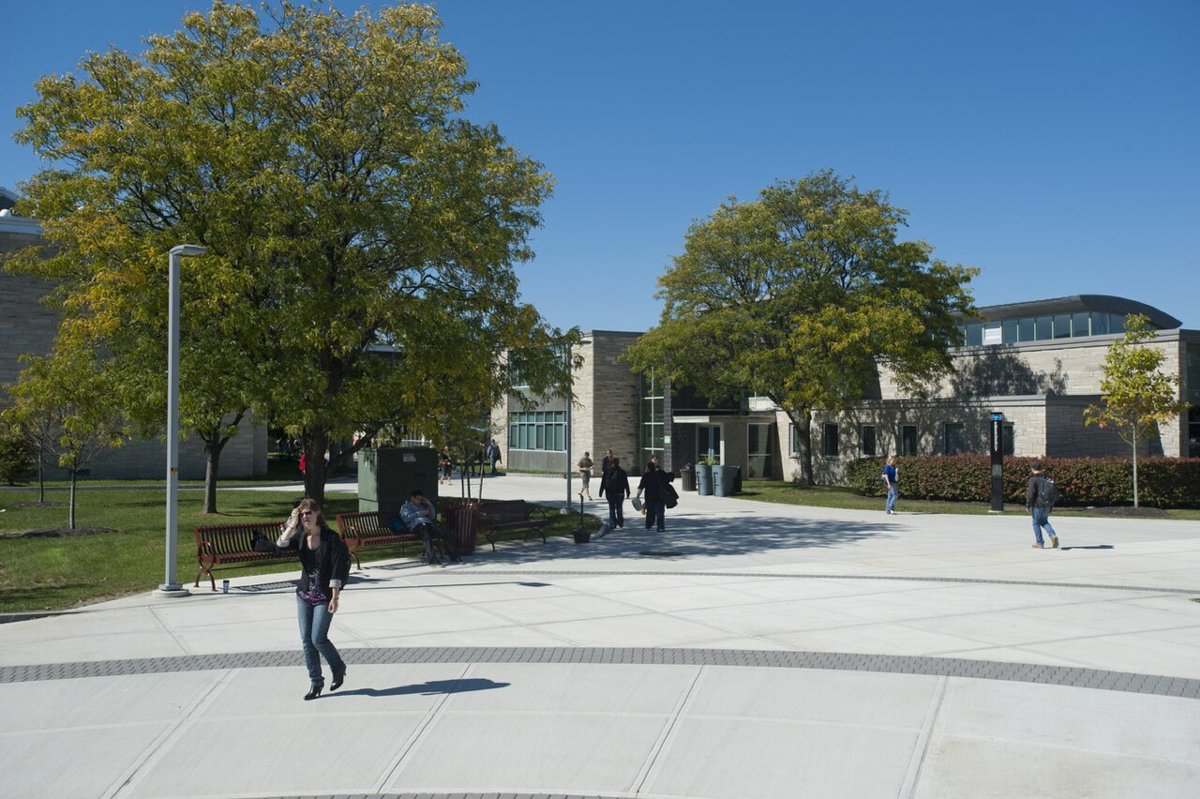
As a commuter school, virtually no students live on campus, with 97.75% coming from within New York state. The 17:1 student-faculty ratio means smaller class sizes than typical at large universities. Students often gather in the campus center between classes or head to nearby Saratoga Springs on weekends for shopping and dining. Troy's revitalized downtown offers coffee shops and restaurants within walking distance.
The Vikings compete in 19 varsity sports with 316 total athletes, creating school spirit despite the commuter nature. Many students work part-time jobs - the median debt of just $10,625 reflects careful financial planning. With strong job placement rates in nursing and engineering technology, students here are focused on practical career preparation rather than traditional college social life.
- Setting
- City-Small
- Calendar System
- Semester
- Study Abroad
- Available
- Founded
- 1953
Campus Safety (2023)
7 total reported incidents. Source: Clery Act / U.S. Department of Education
| Offense | On Campus | Residential | Noncampus | Public Property |
|---|---|---|---|---|
| Aggravated Assault | 0 | 0 | 0 | 2 |
| Burglary | 2 | 0 | 0 | 0 |
| Stalking | 2 | 0 | 0 | 0 |
| Motor Vehicle Theft | 0 | 0 | 0 | 1 |
Climate & Weather
- January Avg
- 14°–31°F
- July Avg
- 62°–83°F
- Annual Precipitation
- 40.8"
- Annual Snowfall
- -740.9"
Student Demographics
- Men
- 50.5%
- Women
- 49.6%
- White
- 61.5%
- Black
- 15.2%
- Hispanic
- 9.2%
- Asian
- 8.0%
- In-State Students
- 97.8%
- Pell Grant Recipients
- 28.5%
Location
- Address
- Troy, New York 12180
After College
Source: College Scorecard / U.S. Department of Education
- Median Earnings (10 years)
- $45,460
- Median Earnings (5 years)
- $53,403
- Mean Earnings (6 years after entry)
- $31,900
- Loan Repayment Rate
- 47.3%
- Monthly Loan Payment
- $113/mo
- Median Debt at Graduation
- $10,625
Frequently Asked Questions
What are the admission requirements at Hudson Valley Community College?
Hudson Valley Community College maintains an open admission policy typical of community colleges, welcoming students with a high school diploma or equivalent. The college serves 6,359 students with 97.75% coming from New York State. This accessibility makes it a popular starting point for students seeking affordable higher education in the Capital Region.
How much does Hudson Valley Community College cost after financial aid?
The average net price is $7,118 annually, though costs vary by income level. Students from families earning under $30,000 pay just $3,200 after aid, while those from higher-income families pay up to $13,224. About 28.52% of students receive Pell Grants, reflecting the college's role serving working-class families.
What academic programs is Hudson Valley Community College known for?
The college offers strong programs in nursing, engineering technology, and culinary arts with direct transfer pathways to four-year institutions. With a 17:1 student-faculty ratio, classes remain manageable for hands-on learning. The school emphasizes career-focused education that prepares students for both immediate employment and further study.
What are the job prospects for Hudson Valley Community College graduates?
Graduates achieve a 94.4% employment rate, demonstrating strong connections to local employers. The median earnings reach $45,460 ten years after graduation, competitive for a two-year degree. With a relatively low median debt of $10,625, graduates typically face manageable monthly loan payments of $113.
Where is Hudson Valley Community College located and what is campus life like?
The campus sits in Troy, New York, a small city in the Capital Region near Albany. The Vikings compete in 19 varsity sports through the NCCAA with 316 total athletes. The nearly even gender split of 50.45% men and 49.55% women creates a balanced campus environment.
Does Hudson Valley Community College offer athletic scholarships?
The college does not offer athletic scholarships, allocating $0 to athletic aid programs. Despite this, 316 students participate across 19 varsity sports as the Vikings in NCCAA competition. Student-athletes must rely on academic aid and federal financial assistance rather than sports-based funding.