

About Huntington Junior College
Students pay an average net price of $10,729 after financial aid, with 87% receiving some form of assistance. Most graduates earn $21,783 ten years after completing their programs, which creates a challenging financial equation. With median debt of $21,604 and monthly loan payments of $229, many graduates struggle to repay their loans. Only 19.7% successfully repay their federal loans on schedule.
The college maintains an 81.8% employment rate among graduates, though the 12.5% six-year graduation rate suggests many students never complete their programs. Classes average 25 students per instructor, which limits individual attention. About 80% of students come from West Virginia, creating a tight-knit community focused on local career opportunities rather than broader academic exploration.
Academics & Faculty
Source: College Scorecard / U.S. Department of Education
- Student-to-Faculty Ratio
- 25:1
- Full-Time Faculty
- 35.7%
- Graduation Rate (6-year)
- 12.5%
- Median Earnings (10 years)
- $21,783
Popular Programs by Earnings
| Program | Level | Median Earnings |
|---|---|---|
| Business Operations Support and Assistant Services. | Associate | $24,267 |
| Health and Medical Administrative Services. | Associate | $24,035 |
| Allied Health and Medical Assisting Services. | Associate | $19,775 |
| Dental Support Services and Allied Professions. | Associate | $19,227 |
| General Sales, Merchandising and Related Marketing Operations. | Associate | $16,580 |
Campus Life
West Virginia winters require a good coat, while summers get humid enough for air conditioning. Most students commute from the local area since 80% are from in-state. The quarter system keeps coursework moving quickly through the academic year. Downtown Huntington offers basic amenities and Marshall University's nearby presence adds some college town energy.
With a 25:1 student-faculty ratio, expect larger class sizes than typical for such a small school. Weekend social life revolves around Huntington's modest downtown scene or trips to nearby Ashland, Kentucky. Students often work part-time jobs while attending classes. The employment rate reaches 81.8%, though graduates earn a median of $21,783 ten years after enrollment. Nearly 87% of students receive financial aid to help cover the $10,050 annual tuition.
- Setting
- City-Small
- Calendar System
- Quarter
- Founded
- 1936
Campus Safety (2023)
No reported Clery Act crimes in 2023.
Climate & Weather
- January Avg
- 24°–43°F
- July Avg
- 66°–87°F
- Annual Precipitation
- 45.3"
- Annual Snowfall
- 10.2"
Student Demographics
- Men
- 22.5%
- Women
- 77.5%
- White
- 84.2%
- Black
- 12.9%
- Hispanic
- 0.0%
- Asian
- 0.0%
- In-State Students
- 80.0%
- Pell Grant Recipients
- 87.1%
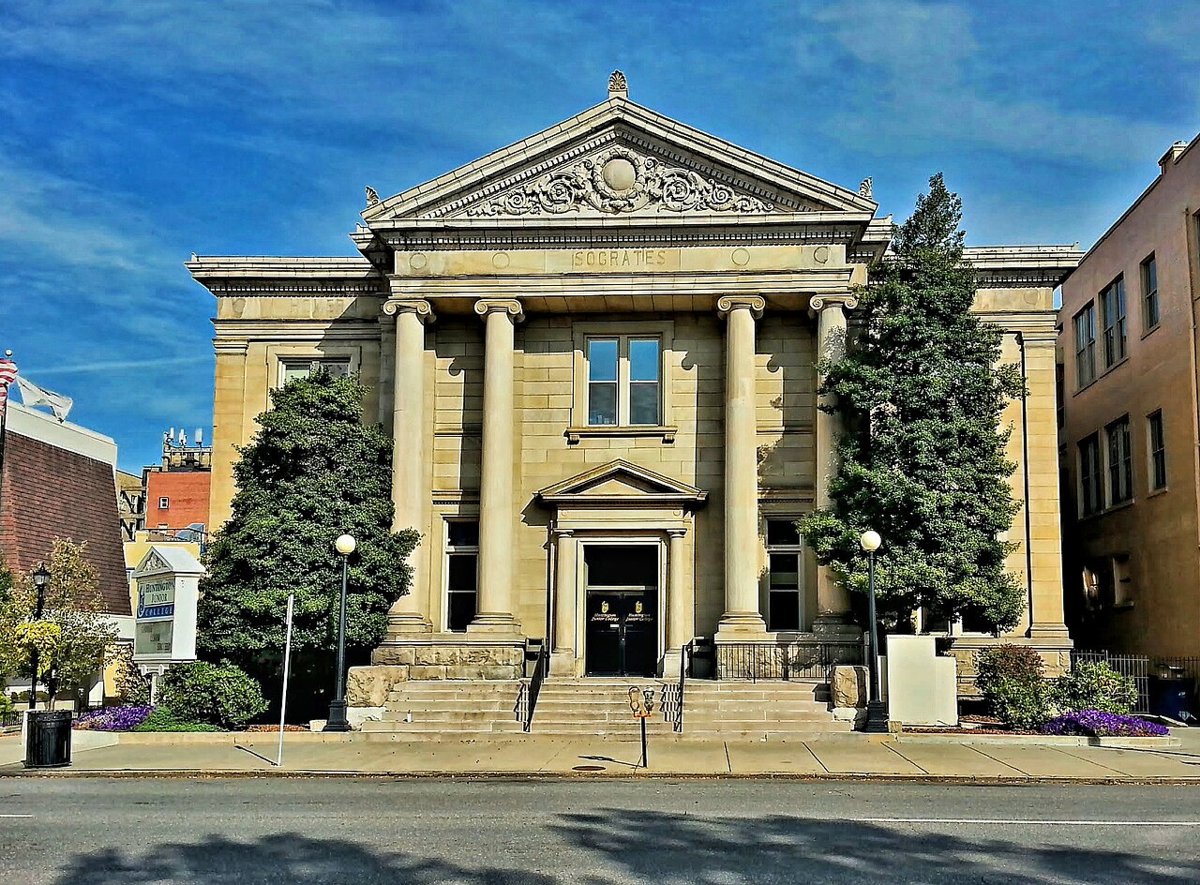
Location
- Address
- Huntington, West Virginia 25701
After College
Source: College Scorecard / U.S. Department of Education
- Median Earnings (10 years)
- $21,783
- Median Earnings (5 years)
- $26,946
- Mean Earnings (6 years after entry)
- $17,900
- Loan Repayment Rate
- 19.7%
- Monthly Loan Payment
- $229/mo
- Median Debt at Graduation
- $21,604
Frequently Asked Questions
What is the acceptance rate at Huntington Junior College?
Huntington Junior College operates as an open-admission institution with no stated acceptance rate requirements. The small enrollment of 209 students reflects the college's focus on providing personalized career training in a tight-knit environment. This West Virginia business college has maintained its mission of accessible education since 1936.
How much does Huntington Junior College cost after financial aid?
Students pay an average net price of $10,729 annually, with 87% receiving financial aid. The same percentage qualifies for Pell Grants, indicating the college serves primarily low-income students. Monthly loan payments average $229, though only 20% of borrowers are successfully repaying their loans.
What is the student-faculty ratio at Huntington Junior College?
The student-faculty ratio stands at 25:1, which is higher than typical for most colleges. Classes operate on a quarter system, allowing students to complete programs more quickly. The college specializes in business and medical assistant training programs designed for immediate workforce entry.
What are the job prospects after graduating from Huntington Junior College?
Graduates earn a median salary of $21,783 ten years after enrollment, with 82% finding employment. The 12.5% six-year graduation rate reflects challenges many students face in completing their programs. The college focuses on practical skills training for local healthcare and business sectors.
Where is Huntington Junior College located and what is campus life like?
The college sits in Huntington, West Virginia, a small city along the Ohio River border. Women make up 78% of the student body, reflecting the college's strength in traditionally female-dominated fields like medical assisting. The intimate size of 209 students creates a close community atmosphere.
Does Huntington Junior College offer significant institutional financial aid?
Only 5% of students receive institutional grants, with an average award of $6,942 for those who qualify. The college relies heavily on federal aid programs, with 68% of students taking federal loans. This limited institutional aid reflects the challenges facing small private colleges in providing substantial scholarships.
Similar Schools

Appalachian Bible College
Mount Hope, West Virginia

Montefiore School of Nursing
Mount Vernon, New York

Belanger School of Nursing
Schenectady, New York

Lawrence Memorial Hospital School of Nursing
Medford, Massachusetts

Cochran School of Nursing
Yonkers, New York

St. Peter's Hospital College of Nursing
Albany, New York